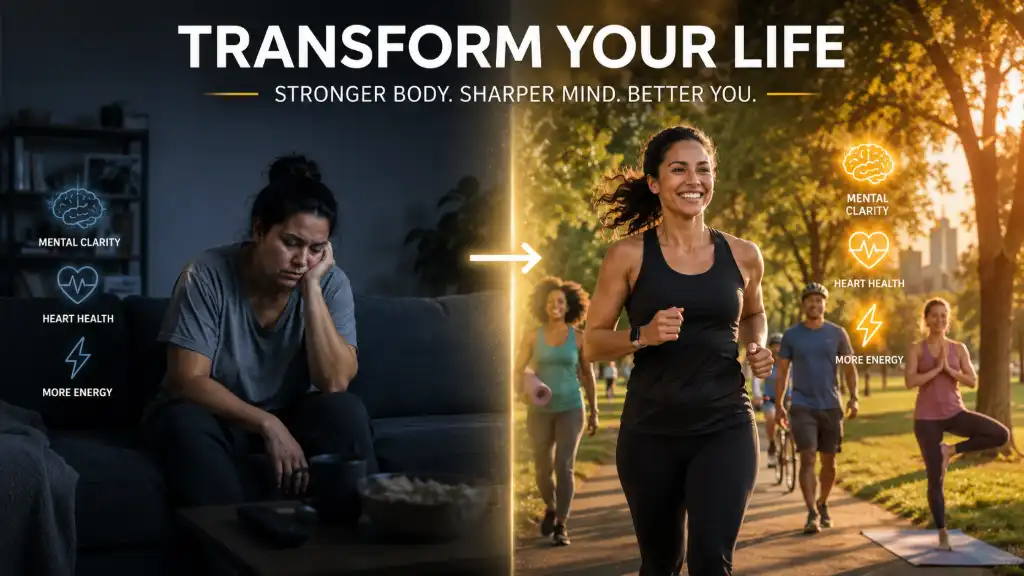
Benefits of Regular Exercise: 7 Science-Backed Ways Americans Are Transforming Their Health in 2026
Why Moving Your Body Changes Everything
Let’s be real for a second. We all know exercise is good for us. But how many times have you scrolled past another article about “10 reasons to work out” and thought, “Yeah, yeah, I’ve heard this before”?
Here’s the thing—most of us are missing the bigger picture. The benefits of regular exercise go way beyond fitting into your old jeans or hitting a step goal on your fitness tracker. We’re talking about real, life-changing transformations that happen when you make movement a non-negotiable part of your day.
Whether you’re a busy parent juggling a million responsibilities, a desk worker whose back screams by 3 PM, or someone who’s just tired of feeling tired—this isn’t another preachy fitness article. This is your roadmap to understanding exactly how moving your body can rewrite your health story.
And the best part? You don’t need a gym membership, fancy equipment, or two hours of free time. Let’s dive in.

The Real Benefits of Regular Exercise: More Than Just Weight Loss
Why Your Brain Craves Movement (And What Happens When You Ignore It)
You know that foggy, can’t-think-straight feeling after sitting at your desk for hours? That’s your brain begging for movement. And it’s not just in your head—literally.
When you engage in physical activity, your body releases a cocktail of feel-good chemicals: endorphins, dopamine, serotonin. These aren’t just “happy hormones.” They’re the reason why a 20-minute walk can clear your mind better than an hour of scrolling through social media.
But here’s what most people don’t realize: the neurochemical benefits of moderate intensity exercise for mental clarity are immediate AND long-term. That means you’ll feel sharper right after your workout, but you’ll also build a more resilient brain over time.
Think of it like this: every time you move, you’re literally fertilizing your brain cells. Studies show that regular exercisers have better memory, faster problem-solving skills, and even a lower risk of cognitive decline as they age.
So next time you’re stuck on a work problem or feeling mentally drained, try this: stand up, do 10 jumping jacks, take a brisk 5-minute walk around the block. Your brain will thank you.

How Consistent Physical Activity Reduces Chronic Disease Risk Factors
Let’s talk about the stuff nobody wants to think about: heart disease, diabetes, high blood pressure. Scary, right? But here’s the empowering truth—how consistent physical activity reduces chronic disease risk factors is one of the most well-documented phenomena in medical science.
You don’t need to run marathons or lift heavy weights to see results. Here’s what happens when you move regularly:
Your Heart Gets Stronger
Think of your heart like any other muscle. The more you use it (safely), the stronger it gets. Regular exercise lowers your resting heart rate, improves circulation, and helps your heart pump blood more efficiently. Translation? You’ll have more energy for everyday tasks, and your risk of heart disease drops significantly.
Think of your heart like any other muscle. The more you use it (safely), the stronger it gets. Regular exercise lowers your resting heart rate, improves circulation, and helps your heart pump blood more efficiently. Translation? You’ll have more energy for everyday tasks, and your risk of heart disease drops significantly.
Your Blood Sugar Stabilizes
If you’ve ever felt that 3 PM crash after lunch, you know how wild blood sugar swings can feel. Exercise helps your muscles use glucose more effectively, which means steadier energy levels throughout the day. For people with prediabetes or type 2 diabetes, this is huge—it can literally change the trajectory of their health.
If you’ve ever felt that 3 PM crash after lunch, you know how wild blood sugar swings can feel. Exercise helps your muscles use glucose more effectively, which means steadier energy levels throughout the day. For people with prediabetes or type 2 diabetes, this is huge—it can literally change the trajectory of their health.
Your Inflammation Levels Drop
Chronic inflammation is like a slow-burning fire in your body. It’s linked to everything from arthritis to depression to autoimmune disorders. Regular movement helps douse those flames by regulating your immune system and reducing inflammatory markers.
Chronic inflammation is like a slow-burning fire in your body. It’s linked to everything from arthritis to depression to autoimmune disorders. Regular movement helps douse those flames by regulating your immune system and reducing inflammatory markers.
Your Blood Pressure Normalizes
High blood pressure is called the “silent killer” for a reason. But here’s the good news: just 30 minutes of moderate exercise most days can lower your systolic blood pressure by 4-9 mmHg. That’s as effective as some medications.
High blood pressure is called the “silent killer” for a reason. But here’s the good news: just 30 minutes of moderate exercise most days can lower your systolic blood pressure by 4-9 mmHg. That’s as effective as some medications.
The kicker? You don’t need to be perfect. Consistency beats intensity every single time. A 20-minute walk five days a week is better than one intense workout followed by two weeks of couch time.
Want to learn more about building sustainable health habits? Check out the resources at kenutrendz.com where we break down science-backed strategies for real people with real lives.
Getting Started: Your No-Excuses Guide to Moving More
Beginner-Friendly Exercise Routines for Sustained Weight Management
Okay, let’s address the elephant in the room: weight loss. If you’re reading this, chances are you’ve tried diets, apps, meal plans, and maybe even those weird detox teas that promise overnight results.
Here’s the truth bomb: beginner-friendly exercise routines for sustained weight management work better than any quick-fix diet. Why? Because they’re sustainable. They fit into your life. They don’t require you to eat nothing but kale and sadness.
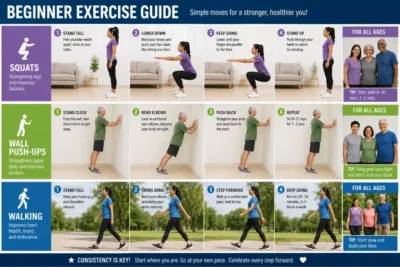
The 15-Minute Morning Routine (No Equipment Needed)
- 3 minutes: Gentle stretching (reach for the sky, touch your toes, twist side to side)
- 5 minutes: Bodyweight squats (10 reps), modified push-ups against a wall (10 reps), marching in place (1 minute)
- 5 minutes: Brisk walk around your home or block
- 2 minutes: Deep breathing and cooldown
Do this 4-5 times a week, and you’ll start noticing changes within 3-4 weeks. Not just on the scale, but in how your clothes fit, your energy levels, and your mood.
The Lunch Break Power Walk
Got 20 minutes? That’s all you need. Walk at a pace where you can talk but not sing. This “conversational pace” is your sweet spot for fat burning without burning out.
Got 20 minutes? That’s all you need. Walk at a pace where you can talk but not sing. This “conversational pace” is your sweet spot for fat burning without burning out.
The Evening Wind-Down Stretch
Spend 10 minutes before bed doing gentle yoga or stretching. This isn’t about calorie burning—it’s about signaling to your body that it’s time to rest, which improves sleep quality. And better sleep = better weight management. It’s all connected.
Spend 10 minutes before bed doing gentle yoga or stretching. This isn’t about calorie burning—it’s about signaling to your body that it’s time to rest, which improves sleep quality. And better sleep = better weight management. It’s all connected.
The secret sauce? Pair movement with habits you already have. Do squats while brushing your teeth. Take walking meetings. Park farther from the grocery store entrance. These tiny choices add up faster than you think.
Low-Impact Cardio Exercises for Joint Health and Cardiovascular Fitness
Maybe you’ve got achy knees. Maybe you’re recovering from an injury. Or maybe you’re just not into high-impact workouts that leave you gasping for air.
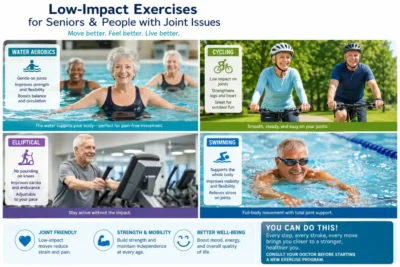
Good news: low-impact cardio exercises for joint health and cardiovascular fitness are incredibly effective—and they’re easier on your body.
Walking: The Underrated Superstar
Don’t sleep on walking. A brisk 30-minute walk burns calories, strengthens your heart, and lubricates your joints. Plus, you can do it anywhere, anytime, with zero equipment. Try adding intervals: walk fast for 2 minutes, then recover at a moderate pace for 2 minutes. Repeat.
Don’t sleep on walking. A brisk 30-minute walk burns calories, strengthens your heart, and lubricates your joints. Plus, you can do it anywhere, anytime, with zero equipment. Try adding intervals: walk fast for 2 minutes, then recover at a moderate pace for 2 minutes. Repeat.
Swimming and Water Aerobics
Water supports about 90% of your body weight, which means your joints get a break while your muscles still get a workout. Swimming laps, water walking, or joining a water aerobics class gives you a full-body cardio session without the pounding.
Water supports about 90% of your body weight, which means your joints get a break while your muscles still get a workout. Swimming laps, water walking, or joining a water aerobics class gives you a full-body cardio session without the pounding.
Cycling (Indoor or Outdoor)
Whether it’s a stationary bike at home or cruising through your neighborhood, cycling builds cardiovascular endurance while keeping impact low. Start with 15-20 minutes and gradually increase as you build stamina.
Whether it’s a stationary bike at home or cruising through your neighborhood, cycling builds cardiovascular endurance while keeping impact low. Start with 15-20 minutes and gradually increase as you build stamina.
Elliptical Training
If you have access to a gym or own an elliptical machine, this is a joint-friendly way to get your heart rate up. The gliding motion mimics running without the impact.
If you have access to a gym or own an elliptical machine, this is a joint-friendly way to get your heart rate up. The gliding motion mimics running without the impact.
Dance-Based Workouts
Zumba, low-impact aerobics, or even just dancing in your living room to your favorite playlist—movement that feels like play doesn’t feel like work. And you’ll stick with it longer.
Zumba, low-impact aerobics, or even just dancing in your living room to your favorite playlist—movement that feels like play doesn’t feel like work. And you’ll stick with it longer.
The key is finding what feels good for YOUR body. Not what looks good on Instagram. Not what your fitness-obsessed friend swears by. What makes YOU feel strong, energized, and capable.
Need more personalized fitness tips? Visit kenutrendz.com for expert guides tailored to different fitness levels and lifestyles.
[
The Ripple Effect: How Exercise Transforms Every Area of Your Life
Sleep Better, Stress Less, Live More
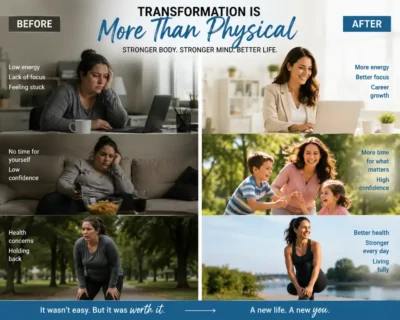
Here’s something that surprised me when I started prioritizing movement: my sleep improved dramatically. I wasn’t trying to sleep better—I was just trying to move more. But the two are deeply connected.
Regular exercise helps regulate your circadian rhythm, reduces anxiety that keeps you up at night, and tires your body in the healthiest way possible. People who exercise regularly fall asleep faster, stay asleep longer, and wake up feeling more refreshed.
And stress? Movement is like hitting the reset button on your nervous system. That tension you’re carrying in your shoulders, the mental chatter that won’t stop—physical activity helps release it.
Building Confidence That Goes Beyond the Gym
There’s something powerful about setting a small fitness goal and actually achieving it. Maybe it’s walking an extra block. Maybe it’s doing one more push-up than last week. These small wins build momentum.
Before you know it, that confidence spills over into other areas of your life. You start believing you can tackle that work project, have that difficult conversation, or try something new. Exercise teaches you that you’re capable of more than you think.
Frequently Asked Questions: Your Exercise Questions, Answered
1. How much exercise do I really need to see the benefits of regular exercise?
Great question, and the answer might surprise you. The CDC recommends 150 minutes of moderate-intensity aerobic activity per week, plus two days of strength training. But here’s the reality: something is always better than nothing.
Even 10-15 minutes a day provides measurable benefits. You’ll see improvements in mood, energy, and sleep within the first few weeks. For cardiovascular health and weight management, aim for that 150-minute mark, but don’t let perfectionism keep you from starting. Consistency with 20 minutes a day beats an ambitious plan you abandon after two weeks.
2. I’m over 50 and haven’t exercised in years. Is it too late to start?
Absolutely not. In fact, starting exercise after 50 might be one of the best decisions you make for your long-term health. Your body is incredibly adaptable at any age.
Start with low-impact activities like walking, swimming, or chair yoga. Focus on building the habit first—frequency over intensity. Within 4-6 weeks, you’ll notice improved balance, stronger muscles, and better joint mobility. Always consult your doctor before starting a new program, especially if you have chronic conditions, but don’t let age be your excuse. People in their 70s, 80s, and even 90s have transformed their health through regular movement.
3. Can I lose weight with exercise alone, or do I need to change my diet too?
Let’s be honest: exercise alone typically isn’t enough for significant weight loss. Here’s why—you can’t out-exercise a poor diet. A 30-minute workout might burn 200-300 calories, but that’s easily undone by one sugary latte or a handful of chips.
That said, exercise is crucial for sustained weight management. It preserves muscle mass while you lose fat, boosts your metabolism, and helps regulate hunger hormones. The magic happens when you combine regular movement with mindful eating. You don’t need a restrictive diet—just focus on whole foods, portion awareness, and listening to your body’s hunger cues.
4. What’s the best time of day to exercise for maximum benefits?
The best time to exercise is whenever you’ll actually do it consistently. That’s the real answer.
Morning workouts can boost your energy and metabolism for the day, and they ensure you get it done before life gets in the way. Afternoon exercise often feels easier because your body temperature peaks and muscles are more flexible. Evening workouts can help relieve stress and improve sleep for some people (though intense exercise too close to bedtime might disrupt sleep for others).
Experiment and notice how different times affect your energy, mood, and consistency. The “perfect” time is the one that fits YOUR life.
5. I have chronic pain. Can I still exercise safely?
Yes, but you need to be strategic. Exercise can actually reduce chronic pain over time by strengthening supporting muscles, improving flexibility, and releasing natural pain-relieving endorphins.
Start with gentle, low-impact movements like tai chi, water exercises, or restorative yoga. Work with a physical therapist or certified trainer who understands chronic pain conditions. The key is “movement, not punishment.” If something hurts sharply (not just uncomfortable), stop and modify.
Many people with arthritis, fibromyalgia, and back pain have found relief through carefully chosen exercise. It’s about finding what works for YOUR body, not pushing through pain.
6. How long does it take to see results from regular exercise?
This depends on what “results” you’re looking for:
- Mood and energy: 1-2 weeks
- Better sleep: 2-4 weeks
- Improved strength: 4-6 weeks
- Visible body composition changes: 8-12 weeks
- Cardiovascular improvements: 6-8 weeks
- Significant weight loss: 12+ weeks with consistent effort
Remember, non-scale victories often come first. You might notice your clothes fitting better, climbing stairs without getting winded, or having more patience with your kids. These are all signs of progress, even if the scale hasn’t moved yet.
7. Do I need a gym membership to get the benefits of regular exercise?
Not at all. Some of the most effective exercises require zero equipment:
- Walking, jogging, or hiking
- Bodyweight exercises (squats, lunges, push-ups, planks)
- Yoga or Pilates (plenty of free videos online)
- Dancing
- Gardening or yard work
- Taking the stairs instead of the elevator
A gym can provide variety and equipment, but it’s not necessary. What matters is consistent movement. Many people actually stick with their fitness routine better when they exercise at home or outdoors because there are fewer barriers to getting started.
8. What should I eat before and after exercising?
Pre-workout (1-2 hours before): Focus on easily digestible carbs with a little protein. Think a banana with peanut butter, oatmeal with berries, or Greek yogurt with granola. You want fuel, not a heavy meal that’ll make you sluggish.
Post-workout (within 2 hours): Prioritize protein to repair muscles and carbs to replenish glycogen stores. A protein smoothie, chicken with sweet potato, or eggs with whole-grain toast work well.
Hydration matters more than timing for most people. Drink water throughout the day, not just around your workout. Unless you’re doing intense exercise for over an hour, you don’t need sports drinks—water is fine.
9. How do I stay motivated to exercise when life gets busy?
Motivation is overrated. Discipline and systems are what keep you going. Here’s what actually works:
- Schedule it like an appointment: Put it on your calendar and treat it as non-negotiable.
- Start ridiculously small: Commit to 10 minutes. Most days, you’ll keep going once you start.
- Find an accountability partner: A friend, family member, or online community makes a huge difference.
- Track your progress: Use a simple calendar and mark an X for every day you move. Don’t break the chain.
- Focus on how you feel AFTER: Remember that post-workout glow when you’re tempted to skip.
- Have a backup plan: If you can’t do your usual 30-minute workout, do 10 minutes of stretching. Something is better than nothing.
Life will get busy. The key is having systems that keep you moving even on chaotic days.
10. Can too much exercise be harmful?
Yes, absolutely. More is not always better. Overtraining can lead to:
- Chronic fatigue and burnout
- Increased injury risk
- Weakened immune system
- Hormonal imbalances
- Sleep disturbances
- Mood changes and irritability
Signs you’re doing too much: persistent soreness, declining performance, frequent illness, loss of motivation, or feeling exhausted instead of energized after workouts.
Rest days are not lazy—they’re essential. Your body adapts and gets stronger during recovery, not during the workout itself. Aim for at least 1-2 rest days per week, and listen to your body when it’s asking for a break.
11. Is cardio or strength training more important for overall health?
You need both, but if you’re just starting out, here’s the breakdown:
Cardio (walking, cycling, swimming) improves heart health, lung capacity, and endurance. It’s excellent for stress relief and burning calories.
Strength training (weights, resistance bands, bodyweight exercises) builds muscle, strengthens bones, boosts metabolism, and improves functional fitness for daily activities.
For optimal health, aim for a mix: 150 minutes of moderate cardio per week plus 2 days of strength training. If you can only do one, start with what you enjoy more—you’re more likely to stick with it. But long-term, both are essential for comprehensive health benefits.
12. What if I hate exercising? How can I still be active?
First, reframe what “exercise” means. It doesn’t have to mean burpees, running on a treadmill, or lifting weights in a gym.
Movement can be:
- Dancing while cooking dinner
- Playing with your kids or grandkids
- Gardening
- Walking meetings
- Hiking with a friend
- Swimming at the beach
- Cleaning your house energetically
- Playing a sport you enjoyed as a kid
The goal is to find activities that feel like play, not punishment. When you enjoy what you’re doing, you won’t need willpower to keep going. Experiment until you find what makes you feel good.