
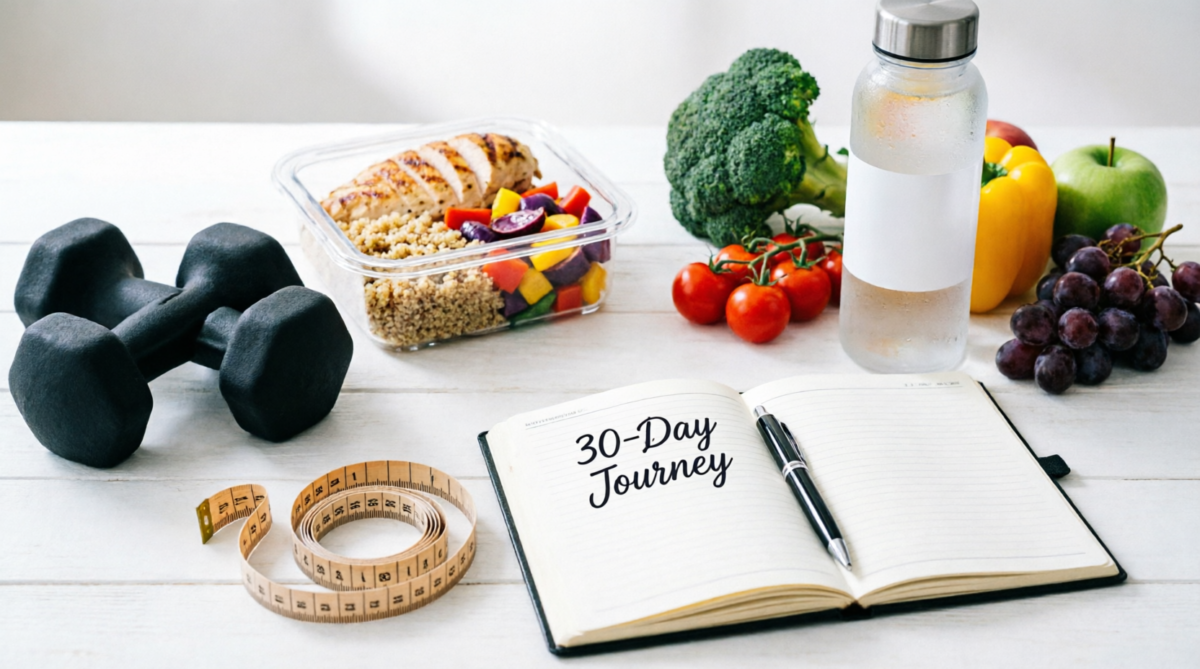
How to Lose 10 Pounds in 30 Days Safely: The No-Starvation, Doctor-Approved USA Plan
Losing weight fast doesn’t have to mean crashing, burning out, or feeling miserable.
If you’ve been scrolling through endless diet plans wondering what actually works, you’re not alone. The truth is, dropping 10 pounds in a month is totally achievable—but only if you do it the right way. No magic pills. No juice cleanses that leave you hangry by 10 AM. Just real, sustainable strategies that actually work with your body, not against it.
Here’s the deal: This guide walks you through exactly how to lose 10 pounds in 30 days safely using science-backed methods that real people (busy professionals, parents, students) have used successfully. We’re talking simple meal planning, smart workouts, and tracking tools that keep you accountable without the stress.
Ready to transform your health in the next 30 days? Let’s dive in.
Understanding How to Lose 10 Pounds in 30 Days Safely: The Real Science
Before we jump into meal plans and workout routines, let’s get one thing straight: safe weight loss isn’t about suffering. It’s about making smarter choices consistently.
When you’re aiming to drop 10 pounds in a month, you’re looking at roughly 2.5 pounds per week. The CDC and most health organizations say that 1-2 pounds per week is the sweet spot for sustainable loss. So yeah, 10 pounds in 30 days is aggressive—but doable if you’re strategic.
What Actually Happens in Your Body
Here’s the breakdown: To lose one pound of fat, you need a calorie deficit of about 3,500 calories. For 10 pounds, that’s 35,000 calories over 30 days—or roughly 1,167 calories deficit per day.
Now, before you panic: You don’t create that entire deficit through diet alone. That’s where the combination of smart eating + movement + lifestyle tweaks comes in.
The golden rule? Never drop below 1,200 calories per day for women or 1,500 for men without medical supervision. Going too low backfires—your metabolism slows, you lose muscle instead of fat, and you’ll binge eventually.
Why Most People Fail (And How You Won’t)
Let’s be real. Most “30-day challenges” fail because they’re too restrictive. You can’t survive on celery sticks and hope to keep the weight off. The key is creating habits you can actually maintain.
Three pillars of success:
- Consistency over perfection – Missed a workout? Ate a cookie? No biggie. Get back on track with the next meal.
- Adequate protein – Keeps you full, preserves muscle, and boosts metabolism.
- Sleep and stress management – Seriously, skimping on sleep can sabotage your efforts faster than a donut.
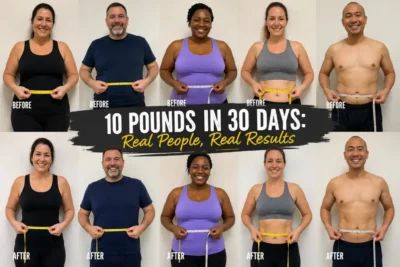
Sustainable Calorie Deficit Meal Planning for Rapid Weight Loss
Okay, let’s talk food. This is where most people get stuck—thinking they need to eat rabbit food forever. Nope. Sustainable calorie deficit meal planning for rapid weight loss is all about working with your preferences, not against them.
What Is a Calorie Deficit (Without the Confusion)?
A calorie deficit simply means eating fewer calories than your body burns. But here’s the trick: You don’t need to count every single calorie like you’re doing advanced calculus at dinner.
Try this instead:
- Use the plate method: Half veggies, quarter protein, quarter complex carbs
- Track for just 3-5 days to learn portion sizes, then eyeball it
- Focus on high-volume, low-calorie foods (think: zucchini noodles, berries, grilled chicken)
Your 30-Day Meal Planning Blueprint
Week 1-2: Foundation Phase
- Breakfast: Protein smoothie or Greek yogurt with berries (300-350 cal)
- Lunch: Big salad with 4-6 oz lean protein, tons of veggies, light dressing (400-450 cal)
- Dinner: Grilled fish or chicken, roasted veggies, small portion quinoa or sweet potato (450-500 cal)
- Snacks: One protein-focused snack (apple with almond butter, protein shake, cottage cheese) (150-200 cal)
Total: ~1,300-1,500 calories (adjust based on your size and activity level)
Week 3-4: Optimization Phase
- Swap one carb serving for extra veggies
- Add intermittent fasting if it suits your lifestyle (12-14 hour overnight fast)
- Increase water intake to half your body weight in ounces
Meal Prep Like a Pro (Without Spending Your Whole Sunday)
Here’s the secret: You don’t need to prep every single meal. Just prep the stuff that’s hardest to make on busy weeknights.
My go-to strategy:
- Sunday: Grill 2 lbs chicken breast, roast 3 sheet pans of mixed veggies, cook 2 cups quinoa
- Wednesday: Quick refresh—hard boil eggs, chop fresh veggies, portion out snacks
- Use kenutrendz.com/meal-prep-templates for downloadable grocery lists and prep schedules that actually fit real life
Sample Day That Doesn’t Suck:
- 7 AM: Black coffee + 2 scrambled eggs with spinach (300 cal)
- 10 AM: Apple with 1 tbsp almond butter (150 cal)
- 1 PM: Grilled chicken Caesar salad (hold the croutons, light dressing) (400 cal)
- 4 PM: Protein shake or Greek yogurt (150 cal)
- 7 PM: Baked salmon, asparagus, 1/2 cup brown rice (500 cal)
- Total: ~1,500 calories and you’re not starving
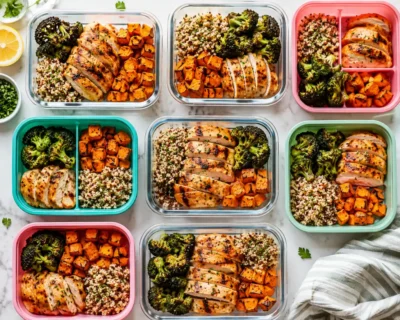
Metabolism-Boosting Strength Training Routine for Beginners
Here’s something most weight loss guides skip: You need to lift weights. Cardio burns calories during the workout, but strength training boosts your metabolism for hours after—and helps you keep the weight off long-term.
Why Strength Training Beats Hours of Cardio
When you’re in a calorie deficit, your body can burn both fat and muscle for energy. Strength training signals your body to hold onto muscle and burn fat instead. More muscle = higher resting metabolism = easier weight loss.
Plus, let’s be honest: Doing an hour of elliptical every day is boring as hell. You’re more likely to stick with 30-minute strength sessions.
The Beginner-Friendly 30-Day Strength Plan
Week 1-2: Learning the Moves (3 days/week) Focus on form over weight. Use bodyweight or light dumbbells.
Workout A (Monday/Thursday):
- Goblet squats: 3 sets of 12 reps
- Push-ups (knees or wall if needed): 3 sets of 8-10 reps
- Bent-over rows: 3 sets of 12 reps
- Plank: 3 rounds of 20-30 seconds
Workout B (Wednesday/Saturday):
- Reverse lunges: 3 sets of 10 each leg
- Dumbbell shoulder press: 3 sets of 12 reps
- Glute bridges: 3 sets of 15 reps
- Bird-dog: 3 sets of 10 each side
Week 3-4: Level Up (4 days/week) Increase weight slightly, add one more set, or reduce rest time.
Pro tip: Check out kenutrendz.com/beginner-strength-workouts for video demonstrations and printable workout cards you can take to the gym.
The 15-Minute Metabolism Booster (For Crazy Busy Days)
No time? No problem. This quick circuit keeps your metabolism humming:
- Jump squats: 45 seconds on, 15 seconds off
- Push-ups: 45 seconds on, 15 seconds off
- Mountain climbers: 45 seconds on, 15 seconds off
- Rest 1 minute, repeat 3 rounds
Total time: 15 minutes. Do this 2-3x/week on top of your strength days, or when you’re traveling.

Safe 10-Pound Weight Loss Plan with Doctor Approval Checklist
Before you start any weight loss program, safety comes first. This isn’t about fear-mongering—it’s about making sure you’re setting yourself up for success without risking your health.
Who Should Talk to a Doctor First?
While most healthy adults can safely lose 10 pounds in 30 days, you should definitely get medical clearance if you:
- Have diabetes, heart disease, or thyroid issues
- Take prescription medications (some affect weight/appetite)
- Are pregnant or breastfeeding
- Have a history of eating disorders
- Are planning to drop below a BMI of 18.5
- Have unexplained weight loss in the past
Your Doctor Approval Checklist
Print this out and bring it to your next appointment:
✅ Medical History Review:
- Current medications listed
- Recent blood work (thyroid, glucose, cholesterol)
- Blood pressure reading
- Discussion of weight loss goals
✅ Safety Parameters:
- Minimum calorie recommendation for your body
- Exercise restrictions or modifications
- Warning signs to watch for (dizziness, extreme fatigue, etc.)
- Follow-up plan if you hit a plateau
✅ Lab Work to Request:
- TSH (thyroid)
- Fasting glucose and A1C
- Vitamin D and B12 levels
- Iron panel (especially for women)
Why this matters: I’ve seen too many people crash diet, feel terrible, and quit because they didn’t realize they had an underlying issue like hypothyroidism or iron deficiency. A 15-minute doctor visit can save you weeks of frustration.
For a downloadable version of this checklist plus a symptom tracker, visit kenutrendz.com/doctor-approval-checklist.
Red Flags: When to Stop Immediately
Even with doctor approval, listen to your body. Stop and seek medical attention if you experience:
- Chest pain or heart palpitations
- Severe dizziness or fainting
- Extreme weakness that doesn’t improve with rest
- Hair loss or brittle nails (sign of nutrient deficiency)
- Menstrual irregularities (for women)
- Obsessive thoughts about food or weight
Remember: The goal is health, not just a number on the scale.

30-Day Healthy Weight Loss Tracker with Portion Control Guide
You can’t manage what you don’t measure. But here’s the thing: Tracking shouldn’t feel like a part-time job. The right system makes it almost automatic.
The Simple Tracking Method That Actually Works
Forget complicated apps with a million features. Here’s what you need:
Daily Non-Negotiables:
- Weight: Weigh yourself every morning after bathroom, before eating. Record it, but don’t obsess over daily fluctuations.
- Measurements: Once a week, measure waist, hips, thighs, arms. Sometimes the scale stalls but inches drop.
- Food log: Use photos or simple notes. “Breakfast: 2 eggs, toast, coffee. Lunch: Chicken salad. Dinner: Salmon, broccoli, rice.”
- Water intake: Aim for half your body weight in ounces. Use a marked water bottle.
- Sleep: Track hours and quality. Less than 7 hours? Note it—this affects weight loss.
Portion Control Without Weighing Every Bite
Most people wildly underestimate how much they eat. These visual cues are game-changers:
Your Hand Is Your Best Tool:
- Protein (meat, fish, tofu): Palm-sized portion = ~4-6 oz
- Carbs (rice, pasta, potato): Cupped hand = ~1/2 cup cooked
- Fats (nuts, oil, butter): Thumb = ~1 tbsp
- Veggies: Two fists = unlimited (really, load up)
Plate Visual:
- 1/2 plate: Non-starchy veggies (broccoli, spinach, peppers, zucchini)
- 1/4 plate: Lean protein
- 1/4 plate: Complex carbs or starchy veg
- Thumb-sized: Healthy fat
The 30-Day Tracker Template
Week 1-2: Awareness Phase
- Track everything, no judgment
- Notice patterns (Do you snack more when stressed? Skip breakfast and overeat at dinner?)
- Identify your biggest calorie bombs (usually drinks, dressings, or “healthy” snacks that aren’t so healthy)
Week 3-4: Adjustment Phase
- Tweak portions based on Week 1-2 data
- Swap high-calorie items for lower-calorie alternatives
- Add one new healthy habit per week (e.g., Week 3: Drink water before every meal; Week 4: Walk 10 minutes after dinner)
Downloadable Resources: Grab the complete 30-day tracker with portion guide at kenutrendz.com/weight-loss-tracker. It includes:
- Printable daily logs
- Weekly measurement charts
- Portion control visual guide
- Progress photo templates
- Habit tracker
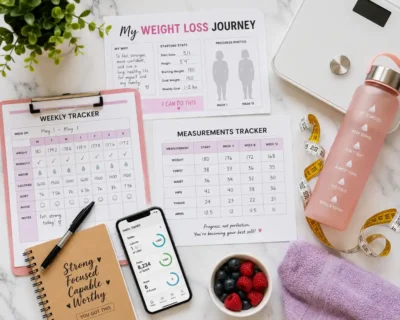
Your Complete 30-Day Action Plan: Putting It All Together
Alright, let’s make this concrete. Here’s your day-by-day framework for the next 30 days.
Week 1: Foundation & Reset
Focus: Establish routines, clear out junk food, master portion sizes
Daily Checklist:
- Drink 8-10 glasses water
- Eat protein at every meal
- Complete scheduled workout
- Track food (even roughly)
- Sleep 7-8 hours
- Weigh in (morning, same time)
Expected loss: 3-5 pounds (mostly water weight initially)
Week 2: Momentum Building
Focus: Increase workout intensity, fine-tune portions, manage cravings
New Habits:
- Add 5 minutes to cardio sessions
- Prep lunches for the week
- Practice stress management (5-min meditation, deep breathing)
Expected loss: 2-3 pounds
Week 3: Breaking Through
Focus: Push past plateaus, vary workouts, stay consistent
Strategies:
- Switch up your exercise routine (new class, different weights)
- Try one new healthy recipe
- Get accountability (text a friend daily, join online group)
Expected loss: 2-3 pounds
Week 4: Finish Strong
Focus: Maintain consistency, plan for post-30 days, celebrate wins
Action Items:
- Take progress photos
- Reflect on what worked
- Create maintenance plan for Month 2
- Schedule doctor follow-up if needed
Expected loss: 1-2 pounds
Total expected: 8-13 pounds (10 pounds is right in the sweet spot!)
Common Mistakes That Sabotage Your 10-Pound Goal
Even with the best plan, these pitfalls can derail you. Here’s how to avoid them:
Mistake #1: Not Eating Enough
The problem: You slash calories too low, your metabolism crashes, you’re exhausted and hangry. The fix: Never go below 1,200 calories (women) or 1,500 (men). If you’re starving, add more protein and veggies.
Mistake #2: Overestimating Exercise Calories
The problem: You burn 300 calories at the gym, then “reward” yourself with a 500-calorie smoothie. The fix: Don’t eat back exercise calories. Consider them a bonus deficit.
Mistake #3: Ignoring Liquid Calories
The problem: That latte, juice, soda, or wine adds up fast. The fix: Stick to water, black coffee, unsweetened tea. Limit alcohol to 1-2x/week max.
Mistake #4: Perfectionism
The problem: You eat one cookie and think “screw it, I’ll start over Monday.” The fix: One meal doesn’t ruin 30 days. Get back on track immediately, not Monday.
Mistake #5: Comparing Your Journey
The problem: Your friend lost 15 pounds; you lost 8. You feel like a failure. The fix: Everyone’s body is different. Focus on your progress, your health markers, your wins.
Frequently Asked Questions: Everything You Need to Know
1. Can I really lose 10 pounds in 30 days safely, or is that too aggressive?
Yes, it’s absolutely possible—and safe—for most people. Losing 10 pounds in 30 days equals about 2.5 pounds per week, which is slightly above the “recommended” 1-2 pounds but still within a healthy range for short-term goals. The key is doing it through a moderate calorie deficit (500-750 calories/day), adequate protein, strength training, and proper sleep.
Who should be cautious: If you’re already at a healthy weight and just want to lose “a few pounds,” this might be too aggressive. But if you have 20+ pounds to lose, 10 pounds in the first month is very realistic. Always consult your doctor if you have chronic health conditions.
2. What if I only lose 5-7 pounds instead of 10? Did I fail?
Absolutely not. Weight loss isn’t linear, and everyone’s body responds differently. Some people drop water weight quickly; others take 2 weeks to see the scale move. What matters more than the number:
- Are your clothes fitting better?
- Do you have more energy?
- Are your measurements decreasing?
- Are you sleeping better?
If you lost 5-7 pounds and built sustainable habits, that’s a massive win. You can continue into Month 2 with the same strategies. Remember: This isn’t a pass/fail test—it’s a health journey.
3. Do I need to cut out carbs completely to lose 10 pounds in 30 days?
Nope, and please don’t. Carbs aren’t the enemy—excess calories are. The problem with cutting carbs completely is that it’s unsustainable, makes workouts suffer, and often leads to binge-eating later.
Smart carb strategy:
- Focus on complex carbs (oats, quinoa, sweet potatoes, brown rice, whole grains)
- Time carbs around workouts (eat more on training days, less on rest days)
- Keep portions moderate (1/4 plate or cupped hand)
- Avoid refined carbs (white bread, pastries, sugary cereals)
You can absolutely lose 10 pounds while eating carbs daily. I’ve done it, thousands have done it—it works.
4. How much water should I drink daily for optimal weight loss?
Aim for half your body weight in ounces as a baseline. So if you weigh 160 pounds, drink 80 ounces (about 10 cups) daily.
Why water matters for weight loss:
- Boosts metabolism temporarily (studies show drinking 17 oz increases metabolic rate by 30% for about an hour)
- Reduces hunger (thirst is often mistaken for hunger)
- Helps your body metabolize stored fat
- Reduces water retention (paradoxically, drinking more water helps you lose water weight)
- Improves workout performance
Pro tip: Drink 16 oz first thing in the morning, then 8 oz before each meal. This alone can help you eat less and stay hydrated.
5. Is intermittent fasting necessary to lose 10 pounds in 30 days?
Not necessary, but it can help some people. Intermittent fasting (IF) is simply a timing strategy, not a magic solution. It works because it naturally reduces your eating window, which often leads to fewer calories consumed.
Popular IF methods:
- 16:8 – Fast for 16 hours, eat during 8-hour window (e.g., noon-8pm)
- 14:10 – More beginner-friendly (e.g., 10am-8pm eating window)
- 12:12 – Easiest start (e.g., 8am-8pm)
Who it helps: People who don’t like breakfast, night owls who snack late, those who prefer larger meals fewer times a day.
Who should skip it: People with blood sugar issues, history of eating disorders, pregnant/breastfeeding women, or those who feel weak/faint when fasting.
Bottom line: IF is a tool, not a requirement. You can lose 10 pounds in 30 days with or without it. Choose what fits your lifestyle.
6. What should I do if I hit a weight loss plateau in Week 2 or 3?
Plateaus are normal and don’t mean you’re doing anything wrong. Your body is adjusting to the calorie deficit and may temporarily hold onto weight.
Strategies to break through:
- Recalculate your calories – As you lose weight, your body needs fewer calories. Recalculate your TDEE (total daily energy expenditure) every 5 pounds lost.
- Change your workout – Your body adapts to routine. Add HIIT, increase weights, try a new activity.
- Track more accurately – Are you really eating what you think? Measure portions for 3 days to check.
- Add a refeed day – One day per week, eat at maintenance calories (mostly carbs). This can boost leptin levels and kickstart metabolism.
- Check sleep and stress – Poor sleep or high cortisol can stall weight loss. Prioritize 7-9 hours and stress management.
- Be patient – Sometimes the scale doesn’t move for 5-7 days, then drops 2 pounds overnight. Trust the process.
7. Can I lose 10 pounds in 30 days without exercising?
Technically yes, but it’s not ideal. You can lose weight through diet alone by creating a calorie deficit. However, here’s what happens without exercise:
The downside:
- You’ll lose more muscle along with fat
- Your metabolism will slow more significantly
- You’ll have less energy and mood swings
- The weight is more likely to come back
- You won’t get the health benefits of exercise (heart health, bone density, mental health)
The better approach: Even 20-30 minutes of walking daily plus 2 strength sessions per week makes a huge difference. You don’t need to live in the gym—just move consistently.
If you absolutely can’t exercise (injury, medical issues), focus on:
- Higher protein intake (preserves muscle)
- Walking as much as possible
- NEAT (non-exercise activity thermogenesis): take stairs, park farther away, stand while working
8. What are the best snacks to eat while trying to lose 10 pounds in 30 days?
Snacks can make or break your weight loss. The best snacks are high-protein, high-fiber, and around 150-200 calories.
Top snack choices:
- Greek yogurt (plain, non-fat) with berries – 150 cal, 15g protein
- Apple with 1 tbsp almond butter – 180 cal, fiber + healthy fats
- Hard-boiled eggs (2) – 140 cal, 12g protein
- Cottage cheese with cucumber – 120 cal, 14g protein
- Protein shake – 120-150 cal, 20-25g protein
- Carrot sticks with 2 tbsp hummus – 100 cal, fiber
- Air-popped popcorn (3 cups) – 90 cal, volume
- String cheese + small piece of fruit – 150 cal, portable
Snacks to avoid: Granola bars (often 200+ cal, lots of sugar), dried fruit (easy to overeat), “healthy” muffins (basically cake), flavored yogurt (sugar bombs).
Pro tip: Pre-portion snacks so you’re not eyeballing it when hungry.
9. How do I handle social events, dining out, or holidays during my 30-day challenge?
Life doesn’t stop for 30 days, and you shouldn’t isolate yourself. Here’s how to navigate:
Before the event:
- Eat a protein-rich snack beforehand so you’re not starving
- Check the menu online and decide what you’ll order
- Hydrate well throughout the day
At the event:
- Fill half your plate with veggies/protein first
- Limit alcohol (1 drink max, choose wine or spirits with zero-cal mixer)
- Eat slowly, savor each bite, stop at 80% full
- Focus on socializing, not just food
Damage control:
- If you overindulge, don’t panic. Get back on track immediately with the next meal
- Add an extra workout or walk the next day
- Don’t restrict heavily the next day—just return to your normal plan
Remember: One meal won’t ruin 30 days. Consistency over perfection.
10. What happens after the 30 days? How do I maintain my weight loss?
Congratulations! You lost 10 pounds. Now what? This is where most people fail—they go back to old habits and regain everything.
Transition plan:
- Reverse diet slowly – Add 100-150 calories back per week (mostly carbs and healthy fats) until you reach maintenance
- Keep tracking – Weigh yourself weekly, adjust if you gain more than 2-3 pounds
- Maintain habits – Keep meal prepping, strength training, drinking water
- Set new goals – Maybe it’s maintaining for 3 months, then losing another 10, or focusing on muscle building
Maintenance calories: Calculate your new TDEE based on your current weight. For most people, this is 200-400 calories more than your weight loss calories.
Long-term mindset: Think of this 30-day challenge as a launch pad, not a finish line. The habits you built—portion control, regular exercise, mindful eating—are your toolkit for life.
11. Are supplements necessary to lose 10 pounds in 30 days?
No, supplements are not necessary. You can absolutely lose 10 pounds with food and exercise alone. However, some supplements can support your efforts:
Helpful (but optional):
- Protein powder – Convenient way to hit protein goals, especially post-workout
- Multivitamin – Insurance policy when eating fewer calories
- Vitamin D – Many people are deficient; supports metabolism and mood
- Omega-3 fish oil – Reduces inflammation, supports heart health
- Caffeine – Natural metabolism booster, improves workout performance
Skip these (waste of money or potentially harmful):
- Fat burners (often just high-dose caffeine with sketchy ingredients)
- Detox teas (laxatives, not fat loss)
- Raspberry ketones, Garcinia cambogia (no solid evidence)
- Appetite suppressants (can be dangerous)
Bottom line: Focus on whole foods first. If you want supplements, stick to basics and talk to your doctor.
12. How do I deal with hunger and cravings during the 30 days?
Hunger and cravings are normal, especially in Week 1. Here’s how to manage them:
For physical hunger:
- Eat more protein (most filling macronutrient)
- Load up on high-volume, low-calorie veggies
- Drink water or herbal tea (sometimes thirst mimics hunger)
- Eat slowly, chew thoroughly (takes 20 minutes for fullness signals to kick in)
- Get enough sleep (sleep deprivation increases hunger hormones)
For emotional cravings:
- Identify triggers (stress, boredom, sadness)
- Find alternative coping strategies (walk, call a friend, journal)
- Practice the 15-minute rule: Wait 15 minutes before giving in; craving often passes
- Allow small portions of crave foods (complete restriction backfires)
- Keep healthy alternatives handy (dark chocolate instead of candy bar)
Emergency craving busters:
- Brush your teeth (minty flavor reduces desire to eat)
- Chew sugar-free gum
- Drink sparkling water with lemon
- Do 10 push-ups or jumping jacks (changes focus)
Remember: Cravings peak around Days 3-5, then get easier. Push through.
Lorem ipsum dolor sit amet, consectetur adipiscing elit. Ut elit tellus, luctus nec ullamcorper mattis, pulvinar dapibus leo.