
Why Am I Not Losing Weight? 17 Evidence-Based Reasons & Solutions
You're eating less, exercising more, but the scale won't budge. Discover the hidden factors preventing your weight loss progress and learn science-backed strategies to finally see results.
Why Am I Not Losing Weight? Understanding the Frustration
You're eating less and exercising more, but the scale isn't moving. You're not alone. This frustrating scenario affects millions of people worldwide who are genuinely committed to improving their health but find themselves stuck at the same weight week after week.
The question "Why am I not losing weight?" is one of the most common concerns in health and fitness. The answer is rarely simple. Weight loss involves a complex interplay of factors including metabolism, hormones, lifestyle habits, genetics, and even psychological factors.
Before diving into specific reasons, it's important to understand that sustainable weight loss is a marathon, not a sprint. The body has sophisticated mechanisms designed to maintain weight, making long-term changes challenging but not impossible.
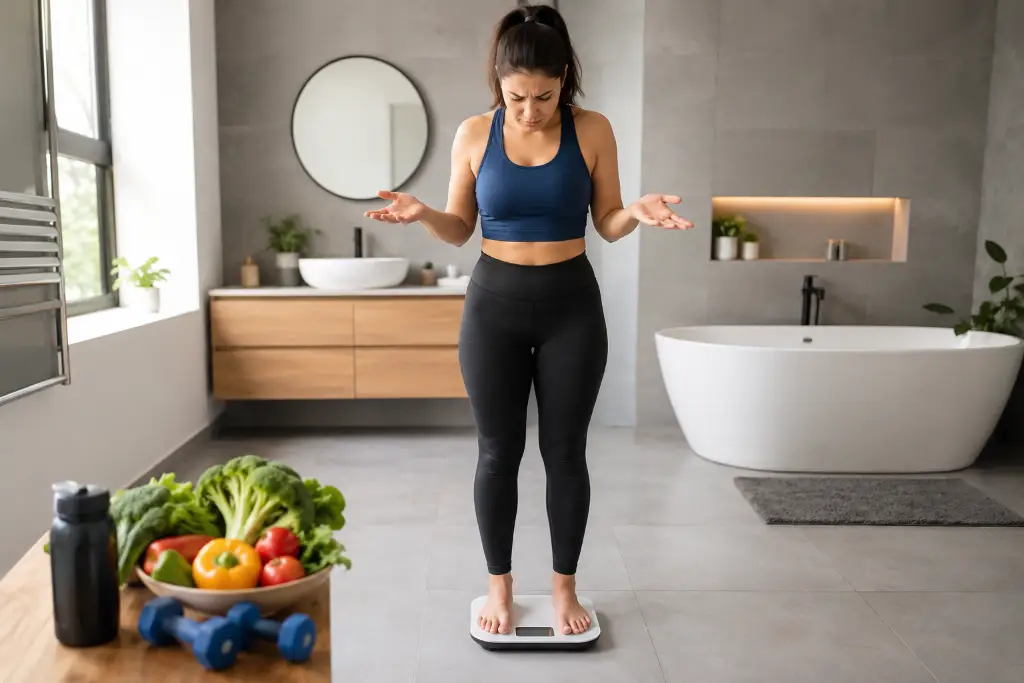
You're Eating More Calories Than You Think
Why am I not losing weight in a calorie deficit?
One of the most common reasons people don't lose weight despite their best efforts is simply consuming more calories than they realize. Research consistently shows that people underestimate their calorie intake by 20-50%, even when trying to track carefully.
Hidden Calories
- Cooking oils (1 tbsp = 120 calories)
- Condiments and dressings
- "Healthy" snacks like nuts
- Taste testing while cooking
- Bites and licks throughout the day
Common Culprits
- Sugary coffee drinks (200-500 calories)
- Alcohol (7 calories per gram)
- Smoothies and juices
- Granola and protein bars
- Dried fruit
The Solution: Accurate Tracking
For at least one week, weigh and measure everything you eat. Use a food scale rather than measuring cups for accuracy. Track using a reputable app, and be honest about portion sizes. This exercise often reveals surprising patterns.
You're Not Getting Enough Protein
Why am I not losing weight but eating healthy?
Protein plays a crucial role in weight loss that many people overlook. When you don't consume adequate protein, several metabolic processes work against your weight loss goals.
Muscle Preservation
During calorie restriction, your body breaks down both fat and muscle for energy. Adequate protein intake (0.7-1g per pound of body weight) helps preserve lean muscle mass, which is metabolically active tissue that burns calories even at rest.
Satiety & Metabolism
Protein increases satiety hormones (GLP-1, PYY) while decreasing hunger hormone (ghrelin). It also has the highest thermic effect of food (TEF), meaning your body burns 20-30% of protein calories just digesting them, compared to 5-10% for carbs and 0-3% for fats.
Protein-Rich Foods to Include:
- Lean meats: chicken breast, turkey, lean beef
- Fish and seafood: salmon, tuna, cod, shrimp
- Eggs and egg whites
- Greek yogurt and cottage cheese
- Legumes: lentils, chickpeas, black beans
- Plant-based: tofu, tempeh, edamame
Portion Sizes Are Bigger Than You Realize
Portion distortion is a silent weight loss saboteur. Over the past few decades, serving sizes have increased dramatically, skewing our perception of what constitutes a normal portion.
Visual Portion Guides:
- Protein: Palm of your hand (3-4 oz)
- Carbohydrates: Cupped hand (1/2 cup cooked)
- Fats: Thumb (1 tbsp)
- Vegetables: Two fists (2 cups)
Studies show that people eat more when presented with larger portions, regardless of hunger levels. This "portion size effect" can add hundreds of extra calories daily without you noticing.
Practical Tips:
- Use smaller plates (9-10 inches instead of 12 inches)
- Serve food in the kitchen, not family-style at the table
- Wait 20 minutes before second helpings
- Read nutrition labels carefully
- Pre-portion snacks instead of eating from the bag
You're Drinking Your Calories
Liquid calories are particularly problematic for weight loss because they don't trigger the same satiety signals as solid food. You can consume hundreds of calories without feeling full.
Calorie Bombs:
- Soda: 150 calories per can
- Fruit juice: 110-150 calories per cup
- Sweetened coffee: 200-500 calories
- Alcohol: 100-200 calories per drink
- Energy drinks: 100-250 calories
Better Choices:
- Water (add lemon or cucumber for flavor)
- Black coffee or tea
- Sparkling water
- Unsweetened herbal tea
- Vegetable juice (low sodium)
Research shows that replacing sugary beverages with water can lead to an average weight loss of 2-2.5% over 6 months. The effect is even more pronounced when combined with a reduced-calorie diet.
Your Exercise Routine Isn't Effective
Why am I not losing weight after exercising?
Exercise is essential for health, but it's not always effective for weight loss if not structured properly. Many people fall into common exercise traps that prevent fat loss.
Too Much Cardio
While cardio burns calories during the workout, excessive steady-state cardio can actually slow metabolism and increase appetite. Your body adapts by becoming more efficient, burning fewer calories for the same activity.
No Strength Training
Resistance training builds muscle, which increases your resting metabolic rate. Without strength training, you may lose muscle along with fat, slowing your metabolism and making long-term weight maintenance difficult.
Low Daily Movement (NEAT)
Non-Exercise Activity Thermogenesis (NEAT) includes all the calories you burn outside of formal exercise—walking, fidgeting, standing, climbing stairs. When people start exercising, they often unconsciously reduce NEAT, negating the calorie burn from workouts.
Optimal Exercise Strategy:
- Strength training: 3-4 times per week
- HIIT (High-Intensity Interval Training): 1-2 times per week
- Moderate cardio: 2-3 times per week
- Daily movement: 8,000-10,000 steps
- Active recovery: yoga, stretching, walking

You're Not Sleeping Enough
Sleep deprivation is one of the most overlooked factors in weight loss resistance. When you don't get adequate sleep (7-9 hours for most adults), multiple hormonal and metabolic changes occur that promote weight gain.
Sleep and Hunger Hormones
Lack of sleep disrupts the balance of two critical hormones:
- Ghrelin (hunger hormone): Increases by 15% with sleep deprivation
- Leptin (satiety hormone): Decreases by 15% when sleep-deprived
This hormonal shift increases appetite by approximately 25%, particularly for high-carb, high-fat foods. Studies show that sleep-deprived individuals consume an average of 300-500 extra calories per day.
Additional Sleep-Related Issues:
- Increased cravings: Sleep loss activates the brain's reward centers, making junk food more appealing
- Poor decision-making: The prefrontal cortex (responsible for willpower) is impaired
- Insulin resistance: Even one week of sleep restriction can reduce insulin sensitivity by 30%
- Reduced fat loss: Studies show that sleep-deprived dieters lose more muscle and less fat
Stress Is Raising Cortisol
Chronic stress is a major barrier to weight loss that many people underestimate. When you're stressed, your body produces cortisol, a hormone that can directly interfere with fat loss, particularly in the abdominal area.
How Cortisol Prevents Weight Loss:
- Promotes fat storage: Cortisol increases activity of lipoprotein lipase, an enzyme that facilitates fat storage, especially visceral belly fat
- Breaks down muscle: Chronically elevated cortisol causes muscle breakdown, lowering your metabolic rate
- Increases appetite: Stress triggers cravings for comfort foods high in sugar and fat
- Disrupts sleep: Stress and poor sleep create a vicious cycle
- Causes water retention: Cortisol can cause the body to hold onto sodium and water
Emotional Eating
Stress often leads to emotional eating as a coping mechanism. Unlike physical hunger, emotional hunger comes on suddenly, craves specific foods, and isn't satisfied by fullness.
Stress Management Strategies:
- Meditation or mindfulness (10-15 min daily)
- Deep breathing exercises
- Regular physical activity
- Adequate sleep
- Social connection
Stress-Reducing Foods:
- Dark chocolate (70%+ cacao)
- Fatty fish (omega-3s)
- Leafy greens (magnesium)
- Berries (antioxidants)
- Green tea (L-theanine)
You're Expecting Results Too Quickly
Why is my weight not going down?
Unrealistic expectations can make you feel like you're failing when you're actually making progress. Understanding healthy weight loss rates and normal fluctuations is crucial for maintaining motivation.
Healthy Weight Loss Rate
The CDC and most health organizations recommend losing 1-2 pounds per week as a safe, sustainable rate. This requires a daily calorie deficit of 500-1,000 calories.
Daily Weight Fluctuations
Your weight can fluctuate 2-5 pounds daily due to:
- Water retention (sodium, carbs, hormones)
- Digestive contents
- Menstrual cycle (women can retain 3-5 lbs)
- Exercise-induced inflammation
- Sleep quality
- Stress levels
Better Approach: Weigh yourself once weekly under consistent conditions (same day, time, scale, clothing) and track monthly trends rather than daily numbers. Also track measurements, how clothes fit, progress photos, and energy levels.
You're Building Muscle While Losing Fat
One of the best "problems" to have is when the scale doesn't move because you're simultaneously losing fat and gaining muscle. This body recomposition is actually ideal for long-term health and metabolism.
Why the Scale May Not Change
Muscle is denser than fat—it takes up about 18% less space per pound. So you can lose inches and look leaner while the scale stays the same or even increases slightly.
Better Metrics Than Weight:
- Body measurements (waist, hips, arms)
- How clothes fit
- Progress photos (monthly)
- Body fat percentage
- Strength gains
- Energy levels
Signs of Body Recomposition:
- Clothes fit looser
- Waist measurement decreasing
- Increased strength
- Muscles more defined
- Better posture
Who Experiences This Most:
- Beginners to strength training
- Those returning to exercise after a break
- People with higher body fat percentages
- Those consuming adequate protein
Bottom Line: If you're getting stronger, measurements are decreasing, and clothes fit better, you're succeeding—even if the scale hasn't moved.
🧬 Understanding Gut Health and Weight Loss
Emerging research reveals that your gut microbiome plays a crucial role in weight management. The balance of beneficial bacteria in your digestive system affects metabolism, inflammation, nutrient absorption, and even food cravings.
Some individuals find that supporting their gut health helps break through weight loss plateaus. A healthy gut microbiome can improve metabolic function and reduce inflammation that may be preventing fat loss.
For those interested in exploring gut health support, LeanBiome is a supplement formulated with probiotic strains specifically researched for weight management and metabolic health. It contains ingredients designed to support a balanced gut microbiome.
Note: Supplements should complement, not replace, a healthy diet and lifestyle. Always consult with a healthcare provider before starting any new supplement, especially if you have underlying health conditions or take medications.
Learn More About LeanBiome →Medical Conditions That Can Affect Weight Loss
Why can't I lose weight?
Sometimes, despite doing everything right, underlying medical conditions can make weight loss extremely difficult. If you've been consistently following a healthy lifestyle for 3-6 months with no results, it's worth discussing these possibilities with your doctor.
Hypothyroidism
An underactive thyroid slows metabolism by 30-50%. Symptoms include fatigue, cold intolerance, dry skin, hair loss, and constipation. A simple blood test (TSH, T3, T4) can diagnose this condition.
PCOS (Polycystic Ovary Syndrome)
Affects 1 in 10 women and causes insulin resistance, hormonal imbalances, and difficulty losing weight, particularly around the abdomen. Often accompanied by irregular periods and excess hair growth.
Insulin Resistance
When cells don't respond properly to insulin, your body produces more, promoting fat storage. This is a precursor to type 2 diabetes and makes weight loss challenging.
Certain Medications
Antidepressants, beta-blockers, steroids, diabetes medications, and some birth control can cause weight gain or prevent loss. Never stop medication without consulting your doctor.
You're Following Diet Myths
Why am I not losing weight on a diet?
The diet industry is full of misleading information that can actually prevent weight loss. Let's debunk some common myths:
Myth: Detox Diets Work
Your liver and kidneys naturally detox your body 24/7. "Detox" teas, juices, and cleanses don't remove toxins and often cause water loss that's quickly regained.
Myth: Fat Burners Melt Fat
Most fat burners contain caffeine and stimulants that may slightly increase metabolism but don't cause significant fat loss. Some can be dangerous and cause side effects.
Myth: Crash Dieting Works
Very low-calorie diets (<1200 calories) slow metabolism, cause muscle loss, and lead to rebound weight gain. They're unsustainable and unhealthy.
Myth: Starvation Mode
While extreme calorie restriction can slow metabolism, eating 1200-1500 calories won't put you in "starvation mode." However, too few calories can cause nutrient deficiencies and muscle loss.
Evidence-Based Approach:
- Create a moderate calorie deficit (300-500 calories)
- Prioritize whole, nutrient-dense foods
- Include all macronutrients (protein, carbs, fats)
- Focus on sustainable lifestyle changes
- Be patient and consistent
Common Weight Loss Mistakes
Weight loss mistakes preventing results
Even with good intentions, certain habits can sabotage your progress. Here are the most common mistakes and how to fix them:
Skipping Meals
Skipping meals often leads to extreme hunger and overeating later. It can also slow metabolism. Instead, eat regular, balanced meals every 3-4 hours.
Weekend Overeating
Eating well Monday-Friday but overindulging on weekends can completely undo your weekly deficit. Practice moderation 7 days a week.
No Meal Planning
Without a plan, you're more likely to make impulsive, less healthy choices. Spend 1-2 hours weekly planning and prepping meals.
Lack of Consistency
Perfection isn't required, but consistency is. Aim for 80-90% adherence rather than 100%, but maintain your habits most days.
Hidden Reasons You're Not Losing Weight:
- Eating too fast: It takes 20 minutes for your brain to register fullness
- Not drinking enough water: Thirst is often mistaken for hunger
- Eating distracted: Mindless eating leads to overconsumption
- Too many "healthy" treats: Even healthy foods can cause weight gain in excess
- Not adjusting calories: As you lose weight, your calorie needs decrease
How to Break a Weight Loss Plateau
Why am I stuck at the same weight?
Plateaus are normal and expected. After initial weight loss, your metabolism adapts, and your body fights to maintain its new weight. Here's how to break through:
Recalculate Calorie Needs
As you lose weight, your body requires fewer calories. Recalculate your TDEE (Total Daily Energy Expenditure) every 10 pounds lost and adjust intake accordingly.
Increase Protein
Bump protein to 1g per pound of body weight. This preserves muscle, increases satiety, and boosts metabolism through the thermic effect.
Progressive Overload
Increase workout intensity by adding weight, reps, or sets. Your body adapts to routine, so constantly challenge it with new stimuli.
Walk More
Increase daily steps to 10,000-12,000. This boosts NEAT without increasing appetite or causing fatigue like intense cardio.
Stay Hydrated
Drink half your body weight in ounces daily. Dehydration slows metabolism and is often mistaken for hunger.
Track Food Accurately
Return to weighing and measuring food for 1-2 weeks. Portion creep often happens gradually without notice.
Advanced Strategies:
- Diet break: Eat at maintenance for 1-2 weeks to reset hormones
- Carb cycling: Alternate high and low carb days
- Intermittent fasting: Try 16:8 or 14:10 eating windows
- Change exercise routine: Switch up your workouts completely
- Reduce stress: Prioritize sleep and relaxation

Frequently Asked Questions
"Healthy" foods can still be high in calories. Nuts, avocados, olive oil, and whole grains are nutritious but calorie-dense. You may be eating healthy but still in a calorie surplus. Track your intake for a week to ensure you're in a deficit.
Exercise alone rarely causes significant weight loss without dietary changes. You may be overestimating calories burned or compensating by eating more. Also, if you're building muscle while losing fat, the scale may not move even though body composition is improving.
Yes. Chronic stress elevates cortisol, which promotes fat storage (especially belly fat), increases appetite, causes cravings, disrupts sleep, and can lead to muscle breakdown. Managing stress is crucial for weight loss success.
Absolutely. Poor sleep disrupts hunger hormones (increasing ghrelin, decreasing leptin), increases cravings by 30-40%, reduces willpower, impairs insulin sensitivity, and decreases fat loss while increasing muscle loss during dieting.
Safe, sustainable weight loss is 1-2 pounds per week. If you have 50 pounds to lose, expect 6-12 months. Rapid loss often leads to regain. Focus on building habits rather than speed.
Yes. Thyroid disorders, PCOS, insulin resistance, and menopause can all make weight loss more challenging. If you suspect hormonal issues, consult your doctor for testing and treatment options.
Belly fat (visceral fat) is often the last to go and is influenced by stress, cortisol, sleep, alcohol, and genetics. Spot reduction doesn't work—focus on overall fat loss through diet, exercise, stress management, and sleep.
This is excellent! You're likely losing fat and gaining muscle (body recomposition). Muscle is denser than fat, so you look leaner and measurements decrease even if the scale doesn't move. Trust the mirror and measurements over the scale.
Common culprits: cooking oils (120 cal/tbsp), sugary coffee drinks, alcohol, "healthy" snacks like granola bars, dried fruit, smoothies, salad dressings, and condiments. These add hundreds of calories without satiety.
Calculate your TDEE (Total Daily Energy Expenditure) using an online calculator, then subtract 300-500 calories for moderate loss or 500-750 for faster loss. Never go below 1200 calories (women) or 1500 (men) without medical supervision.
Supporting Your Weight Loss Journey
While lifestyle changes form the foundation of sustainable weight loss, some people find additional support helpful. Understanding that weight management involves multiple systems in the body—including digestive health, metabolism, and hormone balance—can help you take a comprehensive approach.
Some individuals explore supplements like LeanBiome as part of their overall strategy. This product is formulated with specific probiotic strains and ingredients that research suggests may support metabolic health and complement weight loss efforts when combined with proper diet and exercise.
Remember, supplements work best as part of a comprehensive approach that includes:
- A moderate calorie deficit
- Adequate protein intake
- Regular physical activity
- Quality sleep
- Stress management
Always consult with a healthcare provider before starting any supplement regimen, especially if you have medical conditions or take medications.
Explore LeanBiome Details →When to See a Doctor
While most weight loss plateaus can be overcome with lifestyle adjustments, certain situations warrant medical evaluation:
Seek Medical Attention If:
- You've consistently followed a healthy diet and exercise plan for 6+ months with zero results
- You're experiencing unexplained weight gain despite eating less
- You have symptoms like extreme fatigue, hair loss, cold intolerance, or irregular periods
- You suspect medication is causing weight gain
- You have a family history of thyroid disease or diabetes
- Your BMI is 30+ (obese range)
Tests to Request:
- Thyroid panel: TSH, Free T3, Free T4, thyroid antibodies
- Metabolic panel: Fasting glucose, HbA1c, insulin levels
- Hormone testing: Cortisol, testosterone, estrogen (if indicated)
- Vitamin levels: Vitamin D, B12, iron/ferritin
- Lipid panel: Cholesterol and triglycerides
Your doctor can rule out medical conditions, adjust medications if necessary, and provide personalized guidance or referrals to specialists like endocrinologists or registered dietitians.
Final Takeaway
Answering the question "Why am I not losing weight?" requires honest self-assessment and patience. Weight loss is complex, influenced by numerous factors beyond simple willpower.
Key Principles:
- Sustainable habits win over quick fixes
- Focus on long-term health rather than rapid results
- Consistency beats perfection
- Multiple factors affect weight (diet, exercise, sleep, stress, hormones)
- Progress isn't always linear
Your Action Plan:
- Track food intake accurately for 1-2 weeks
- Prioritize protein (0.7-1g per pound)
- Strength train 3-4x weekly
- Sleep 7-9 hours nightly
- Manage stress actively
- Be patient and consistent
Remember, the goal isn't just weight loss—it's building a healthier, stronger, more energetic version of yourself. Celebrate non-scale victories like increased energy, better sleep, improved mood, and enhanced strength.
Ready to Break Through Your Plateau?
Start with one change this week. Master it, then add another. Sustainable transformation happens one habit at a time.
You've got this!

Medical Disclaimer: This content is for informational purposes only and is not intended as medical advice, diagnosis, or treatment. Always seek the advice of your physician or other qualified health provider with any questions you may have regarding a medical condition. Never disregard professional medical advice or delay in seeking it because of something you have read here.
Affiliate Disclosure: We may receive compensation when you make a purchase through our links, at no additional cost to you. We only recommend products we've thoroughly researched and believe provide genuine value. Our recommendations are based on evidence and potential benefits, not solely on compensation.