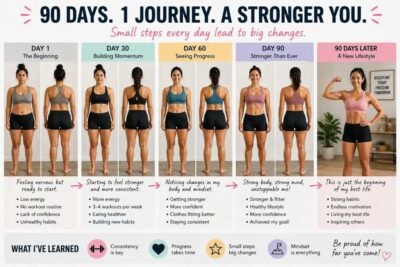
Why Your Living Room Is the Perfect Gym
Let’s be real for a second. The idea of starting a fitness journey can feel overwhelming. Gym memberships are expensive, workout classes clash with your schedule, and honestly, sometimes you just don’t want to deal with the commute. That’s exactly why a fitness journey at home beginners approach has exploded in popularity across the USA.
Here’s the thing: you don’t need fancy equipment, a huge space, or even that much time to see real results. What you need is a solid plan, realistic expectations, and the willingness to start where you are.
That’s where tools like our Home Fitness Planner come in. This free tool helps you map out your weekly workouts, track your progress, and stay accountable—all from your phone or laptop. Think of it as your personal fitness coach that never sleeps and never judges you for eating that extra slice of pizza.
Ready to dive in? Let’s build your roadmap to a healthier you, one rep at a time.
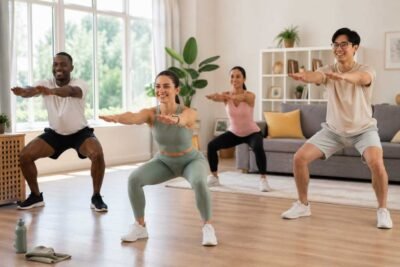
Why Starting Your Fitness Journey at Home Beginners Style Actually Works
You might be wondering, “Can I really get fit working out at home?” The short answer: absolutely. The longer answer? Let’s break down why this approach is perfect for beginners.
No Excuses, No Barriers
When you eliminate the need to drive to a gym, wait for equipment, or feel self-conscious around fitness enthusiasts, you remove the biggest obstacles that keep people from starting. Your fitness journey at home beginners style means you can roll out of bed, throw on comfortable clothes, and start moving within minutes.
Real Results Without the Price Tag
Gym memberships in the USA average $40-$70 per month. Personal trainers? Easily $50-$100 per session. Working out at home costs you… well, nothing beyond your time and effort. That’s money you can put toward healthier groceries, better workout clothes, or just saving for a vacation to celebrate your progress.
The Science Backs It Up
A 2025 study from the American Council on Exercise found that beginners who started with home workouts were 67% more likely to stick with their fitness routine after 90 days compared to those who joined traditional gyms. Why? Consistency beats intensity every single time.
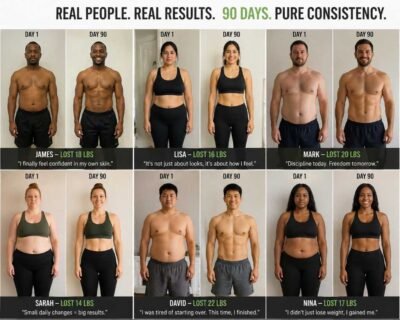
Your No Equipment Home Workout Plan for Beginners
Let’s get practical. You don’t need dumbbells, resistance bands, or a Peloton bike to build strength and burn calories. Your body is the most versatile piece of equipment you own.
Week 1-2: Building the Foundation
Monday: Full Body Activation
- 10 bodyweight squats
- 5 push-ups (knees or wall if needed)
- 20-second plank
- Repeat 3 times
Wednesday: Cardio & Core
- 30 seconds marching in place
- 10 standing knee raises (each side)
- 15-second side plank (each side)
- Repeat 4 times
Friday: Strength Basics
- 8 glute bridges
- 10 modified push-ups
- 20 jumping jacks (or step jacks)
- Repeat 3 times
The Progressive Overload Principle
Here’s the secret sauce: each week, you’ll add just a little more. Maybe it’s 2 extra reps, 5 more seconds on your plank, or one additional round. This no equipment home workout plan for beginners works because it respects where you’re starting while pushing you forward.
Week 3-4: Leveling Up
By now, those initial exercises should feel more manageable. That’s your cue to level up:
- Add 2-3 reps to each exercise
- Extend planks by 10 seconds
- Try full push-ups if you’re ready
- Add a fourth workout day (active recovery like walking or stretching)
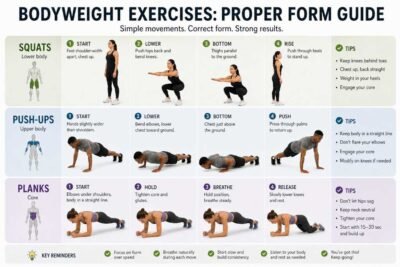
Step by Step Beginner Fitness Routine at Home
Structure is everything. Without a clear plan, it’s easy to skip workouts or wonder if you’re doing enough. This step by step beginner fitness routine at home gives you the framework you need.
The Daily Blueprint
Morning (5 minutes):
- Set your intention for the day
- Review your workout schedule
- Lay out your workout clothes
Workout Time (15-30 minutes):
- 3-minute warm-up (arm circles, leg swings, gentle marching)
- Main workout (follow your weekly plan)
- 2-minute cool-down (stretching, deep breathing)
Evening (2 minutes):
- Log your workout in your fitness tracker or journal
- Note how you felt
- Celebrate one win from the day
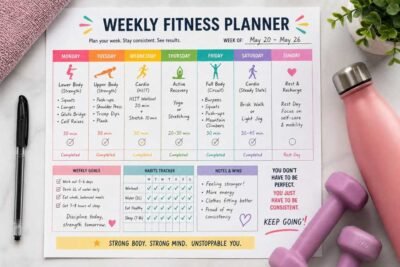
Sample Weekly Schedule
Day | Focus | Duration |
|---|---|---|
Monday | Full Body Strength | 20 min |
Tuesday | Active Recovery (walk/stretch) | 15 min |
Wednesday | Cardio & Core | 20 min |
Thursday | Rest Day | – |
Friday | Lower Body Focus | 20 min |
Saturday | Fun Movement (dance, hike, bike) | 30 min |
Sunday | Rest & Plan Next Week | 10 min |
The 5-Minute Rule
Here’s a game-changer: commit to just 5 minutes of movement on days you don’t feel like working out. Nine times out of ten, you’ll keep going once you start. But even if you stop after 5 minutes? You still showed up. That’s how habits are built.
How to Start Fitness Journey at Home Without Gym
Maybe you’re thinking, “But I’ve never worked out before. Where do I even begin?” Starting your fitness journey can feel like standing at the base of a mountain. Let’s break it down into manageable steps.
Step 1: Define Your “Why”
Before you do a single squat, get clear on your motivation. Is it to:
- Have more energy to play with your kids?
- Feel confident in your own skin?
- Manage stress better?
- Improve your health markers?
Your “why” will pull you forward on days when motivation is MIA.
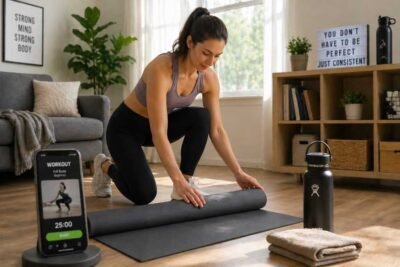
Step 2: Create Your Space
You don’t need a home gym. You need:
- A 6×6 foot clear space
- Comfortable flooring (carpet, yoga mat, or towel works)
- Good ventilation
- Minimal distractions
That’s it. Your living room, bedroom, or even garage can work perfectly.
Step 3: Start Stupidly Small
I mean it. If you’re brand new to fitness, start with 10 minutes a day, three days a week. Consistency with tiny efforts beats heroic weekend warrior sessions every time.
Step 4: Track Everything
Use a simple notebook, a notes app, or our Home Fitness Planner tool to log:
- What workout you did
- How you felt (energy level, mood)
- Any modifications you made
- Wins, no matter how small
Seeing your progress on paper is incredibly motivating.
Step 5: Build Your Support System
Tell a friend about your goals. Join an online community. Follow beginner-friendly fitness accounts on social media. You don’t have to do this alone, even if you’re working out solo.
Easy Home Exercises for Beginners to Lose Weight USA
If weight loss is your goal, you’re in the right place. The key isn’t punishing yourself with hours of cardio. It’s creating a sustainable routine that burns calories while building lean muscle.
The Best Calorie-Burning Moves (No Equipment Needed)
1. Squat to Overhead Reach
- 15 reps
- Works: legs, glutes, core, shoulders
- Burns: approximately 8-10 calories per minute
2. Mountain Climbers (Modified or Full)
- 30 seconds
- Works: core, shoulders, hip flexors
- Burns: approximately 10-12 calories per minute
3. Reverse Lunges
- 10 each leg
- Works: quads, glutes, hamstrings
- Burns: approximately 7-9 calories per minute
4. High Knees
- 30 seconds
- Works: cardio, core, hip flexors
- Burns: approximately 10-14 calories per minute
5. Push-Up to Side Plank
- 8 reps each side
- Works: chest, shoulders, core, obliques
- Burns: approximately 8-10 calories per minute
The 20-Minute Fat-Burning Circuit
Perform each exercise for 40 seconds, rest for 20 seconds, then move to the next. Complete 3 rounds:
- Squat to Overhead Reach
- Mountain Climbers
- Reverse Lunges
- High Knees
- Push-Up to Side Plank
- Rest 1 minute between rounds
This easy home exercises for beginners to lose weight USA routine can burn 150-250 calories depending on your weight and intensity.
Nutrition Matters Too
Here’s the truth: you can’t out-exercise a poor diet. But you also don’t need a restrictive meal plan. Focus on:
- Drinking more water (aim for half your body weight in ounces)
- Adding one extra serving of vegetables to each meal
- Choosing whole foods over processed options 80% of the time
- Not skipping meals (it slows your metabolism)
Realistic Expectations for USA Beginners
Healthy weight loss is 1-2 pounds per week. That might not sound exciting, but it adds up. In 12 weeks, that’s 12-24 pounds—enough to drop a clothing size or two and feel dramatically different.
Common Mistakes That Derail Your Fitness Journey at Home Beginners
Even with the best intentions, it’s easy to stumble. Here are the pitfalls to avoid.
Mistake #1: Doing Too Much Too Soon
You’re excited, I get it. But going from zero workouts to seven days a week is a fast track to burnout or injury. Start with 3 days, master consistency, then build from there.
Mistake #2: Comparing Yourself to Others
That Instagram fitness influencer? They’ve been at this for years. Your only competition is who you were yesterday. Focus on your progress, not someone else’s highlight reel.
Mistake #3: Ignoring Rest Days
Rest isn’t lazy. It’s when your muscles repair and grow stronger. Skipping rest days leads to fatigue, injury, and eventual quitting. Honor your rest days like you honor your workout days.
Mistake #4: Not Adjusting When Life Happens
Missed a workout? Sick? Busy week? Adjust, don’t abandon. Do a 10-minute workout instead of 30. Do something instead of nothing. Perfection is the enemy of progress.
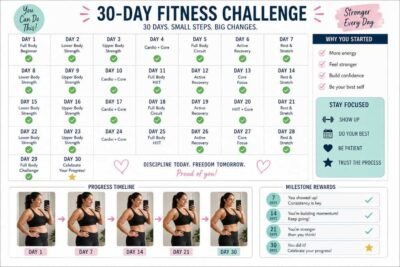
Your 30-Day Action Plan
Ready to commit? Here’s your roadmap.
Week 1: Foundation
- Complete 3 workouts using the Week 1 plan
- Set up your workout space
- Download or set up your tracking tool
- Take “before” photos (for your eyes only)
Week 2: Consistency
- Stick to your 3-day schedule
- Add 2-3 reps to each exercise
- Focus on form over speed
- Celebrate showing up every scheduled day
Week 3: Progression
- Add a 4th workout day
- Try one new exercise variation
- Increase workout time by 5 minutes
- Notice how your clothes fit
Week 4: Momentum
- Complete all scheduled workouts
- Reflect on your wins
- Plan your next month
- Share your journey with someone
Tools and Resources to Support Your Success
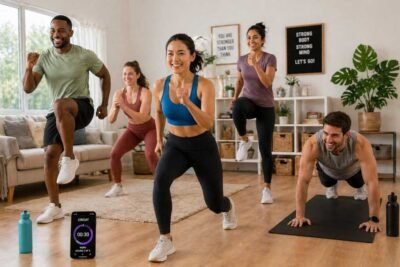
You don’t have to wing it. These resources make your fitness journey at home beginners approach smoother.
Free Apps and Trackers
- Home Fitness Planner (our tool!): Schedule workouts, track progress, set reminders
- Nike Training Club: Free guided workouts for all levels
- MyFitnessPal: Nutrition tracking if you want to monitor food
- Insight Timer: Guided meditations for recovery and stress management
YouTube Channels for Beginners
- FitnessBlender: Honest, no-nonsense workouts with modifications
- Yoga with Adriene: Gentle movement and mindfulness
- HASfit: Free full-length workouts designed for beginners
Join the Community
Check out our internal guide on Building Healthy Habits That Last for more strategies on making fitness a permanent part of your life. And don’t miss our article on Nutrition Basics for Active Beginners to fuel your workouts properly.
Frequently Asked Questions
Can I Really Start a Fitness Journey at Home Beginners With Zero Experience?
The Short Answer: Yes, and It’s Smarter Than You Think
Most people think you need a trainer, a gym membership, or years of athletic background to start working out. The truth? Your fitness journey at home beginners actually thrives on simplicity. When you strip away the intimidation of crowded gyms and complex machines, you’re left with what matters most: consistency, movement, and showing up for yourself.
Why Starting From Zero Works in Your Favor
Beginners have a hidden advantage: rapid initial adaptations. Your nervous system learns new movement patterns quickly, your muscles respond to even light bodyweight stress, and your cardiovascular system becomes more efficient within just a few weeks. You don’t need to be perfect. You just need to begin.
Your First 7-Day Action Plan
- Day 1-2: Do 10 minutes of gentle movement (marching, arm circles, light stretches)
- Day 3: Add 2 rounds of 5 squats, 3 knee push-ups, 15-second plank
- Day 4-5: Rest or walk for 15 minutes
- Day 6: Repeat Day 3, add 1 extra rep per exercise
- Day 7: Log how you feel, not how you look
Pro Tip for Long-Term Success
Forget “all or nothing.” A 10-minute workout done consistently beats a 60-minute session you quit after three days. If you’re looking for a structured way to track your early wins, check out our Step-by-Step Beginner Routine Guide or grab the free Home Fitness Planner.
What’s the Best No Equipment Home Workout Plan for Beginners?
Stop Overcomplicating It—Your Body Is Enough
The most effective no equipment home workout plan for beginners isn’t about fancy routines or viral TikTok challenges. It’s built on three principles: compound movements, progressive overload, and recovery. When you master those, you’ll see real changes without spending a dime.
The Core Moves That Actually Work
- Squats: Builds legs, glutes, and core stability
- Push-ups (modified if needed): Strengthens chest, shoulders, triceps
- Glute bridges: Activates posterior chain (crucial for desk workers)
- Planks: Develops deep core endurance
- Step-ups (use a sturdy chair or stair): Improves balance and unilateral strength
How to Structure It Without Guesswork
Start with 3 days per week. Each session should include:
- 3-minute warm-up (joint circles, light cardio)
- 12-15 minutes of main work (2-3 rounds of 8-10 reps per move)
- 2-minute cool-down (deep breathing, gentle stretches)
When to Level Up
Add reps, shorten rest, or try slower tempos (3 seconds down, 1 second up). Once bodyweight feels easy, explore our Progressive Overload Blueprint to keep results coming.
How Do I Build a Step by Step Beginner Fitness Routine at Home?
Structure Is the Missing Piece for Most Beginners
Motivation fades. Systems don’t. A step by step beginner fitness routine at home removes the “what do I do today?” paralysis and replaces it with a repeatable framework you can actually stick to.
The 4-Phase Weekly Template
- Monday: Full Body Strength (squats, push-ups, planks)
- Tuesday: Active Recovery (walk, stretch, foam roll)
- Wednesday: Cardio + Core (jumping jacks, mountain climbers, dead bugs)
- Thursday: Rest
- Friday: Lower Body Focus (glute bridges, lunges, calf raises)
- Saturday: Fun Movement (dance, hike, bike, play with kids/pets)
- Sunday: Plan & Reflect (10 mins)
How to Make It Stick
- Lay out workout clothes the night before
- Set a consistent time (morning often works best before daily chaos hits)
- Track completion, not perfection
Need a Printable Version?
Download our Weekly Routine Tracker and pin it to your fridge. Pair it with our Habit-Stacking Guide to make fitness feel automatic, not forced.
What Are the Easiest Home Exercises for Beginners to Lose Weight USA?
Weight Loss Isn’t About Punishment—It’s About Metabolism
You don’t need to run yourself into the ground to drop pounds. The most effective easy home exercises for beginners to lose weight USA focus on keeping your heart rate elevated while building lean muscle. Muscle burns more calories at rest, which means your body works for you even when you’re sitting on the couch.
Top 5 Calorie-Burning Moves (No Gear Required)
- Bodyweight Squats: 8-12 calories/min
- High Knees: 10-14 calories/min
- Reverse Lunges: 7-9 calories/min
- Modified Burpees: 9-12 calories/min
- Standing Oblique Crunches: 5-7 calories/min + core stability
The 20-Minute Fat-Loss Circuit
Perform each for 40 seconds, rest 20 seconds. Complete 3 rounds: Squats → High Knees → Reverse Lunges → Modified Burpees → Oblique Crunches → 1 min rest
The Nutrition Reality Check
Workouts create the calorie deficit. Food quality dictates how you feel. Prioritize protein (0.7g per lb of body weight), drink half your weight in ounces of water daily, and swap one processed snack for whole fruit or nuts. For budget-friendly USA meal ideas, see our Beginner Nutrition Guide.
How Do I Stay Motivated on My Fitness Journey at Home Beginners?
Motivation Is a Spark. Habits Are the Fire.
Waiting to “feel motivated” is how most fitness journeys stall. The truth? Motivation follows action, not the other way around. Your fitness journey at home beginners succeeds when you tie movement to existing habits and celebrate microscopic wins.
The 3-Step Consistency Formula
- Habit Stack: “After I brush my teeth, I’ll do 5 squats.”
- Lower the Bar: Commit to 5 minutes on bad days. You’ll often do more.
- Track Visible Wins: Energy levels, better sleep, clothes fitting looser, mood lifts.
When Motivation Dips (Because It Will)
- Revisit your “why” (health, confidence, longevity, playing with kids)
- Change your playlist or workout location
- Watch a beginner success story (not a pro athlete)
- Remember: showing up tired counts. Rest counts. Starting over counts.
Build Your Accountability Loop
Join our Free Beginner Community, use the Progress Tracker, or text a friend your daily workout completion. External accountability bridges the gap when internal drive fades.
What If I Only Have 15 Minutes a Day?
Time Isn’t the Problem. Focus Is.
Fifteen minutes is more than enough if you eliminate distractions and prioritize compound movements. Most beginners waste time scrolling, stretching excessively, or doing isolated moves that don’t move the needle. Cut the fluff, and you’ll see real progress.
The 15-Minute Blueprint
- 2 min warm-up (march, arm circles, hip rotations)
- 10 min circuit (3 rounds: 8 squats, 5 push-ups, 10 sec plank, 10 jumping jacks)
- 3 min cool-down (deep breathing, hamstring stretch, chest opener)
Why Short Workouts Work
Research shows high-intensity, focused sessions trigger excess post-exercise oxygen consumption (EPOC), meaning your body burns extra calories for hours after. Consistency with 15-minute blocks outperforms sporadic hour-long sessions.
Scale It Up Without Adding Time
Slow down the tempo, add pulses at the bottom of squats, or hold planks 5 seconds longer. Intensity > duration. For more time-efficient routines, explore our Busy Professional’s Fitness Guide.
How Do I Avoid Injuries During My Fitness Journey at Home Beginners?
Form Over Speed, Always
Injuries derail progress faster than missed workouts ever could. Your fitness journey at home beginners should prioritize joint health, controlled movement, and listening to your body. Pushing through sharp pain isn’t toughness. It’s a shortcut to setbacks.
The Pre-Hab Routine (3 Minutes Daily)
- Ankle circles: 10 each direction
- Cat-cow stretch: 8 reps
- Glute activation: 10 bridges with 2-second holds
- Shoulder rolls: 10 forward, 10 back
Red Flags to Stop Immediately
- Sharp, localized pain (not muscle burn)
- Joint popping with swelling
- Dizziness or nausea during movement
When inDoubt, Modify
Numbness or tingling
hurt during squats? Reduce depth or use a chair. Wrists ache in push-ups? Do them on fists or against a wall. Progress isn’t linear. Smart adjustments keep you moving long-term. For safe form breakdowns, watch our Beginner Movement Library.
Can I Lose Weight Without Cardio at Home?
Yes. Strength Training Is Your Secret Weapon
Cardio burns calories during the workout. Strength training burns them during and after. When you build lean muscle through bodyweight resistance, your resting metabolic rate increases. That means you burn more calories sleeping, sitting in traffic, or binge-watching your favorite show.
The Bodyweight Metabolism Protocol
- 3x/week strength sessions (squats, lunges, push-ups, planks, bridges)
- 2x/week light movement (walking, stretching, yoga)
- Daily NEAT boost: take stairs, park farther, stand during calls
Why This Works Better Than Treadmill Sprints
Steady-state cardio can increase hunger hormones and lead to compensatory eating. Strength training preserves muscle during weight loss, keeps you toned, and improves insulin sensitivity. Pair it with adequate protein, and you’ll lose fat while keeping energy high.
Track What Matters
Focus on strength gains (more reps, better form), not just scale drops. For a complete fat-loss framework, read our Beginner’s Guide to Body Recomposition.
How Do I Track Progress Without a Scale?
The Scale Lies. Your Body Doesn’t.
Weight fluctuates daily due to water, hormones, digestion, and stress. Relying solely on the number leads to frustration. A smarter approach to your fitness journey at home beginners tracks performance, measurements, and how you feel.
Non-Scale Victory Metrics That Actually Matter
- Photos: Front/side/back every 2 weeks in same lighting
- Measurements: Waist, hips, chest, thighs (tape measure, not guessing)
- Performance: More reps, longer holds, less rest needed
- Energy & Sleep: Waking up refreshed, less afternoon crashes
- Clothing Fit: Jeans zip easier, shirts feel looser
The 30-Day Tracking System
- Week 1: Baseline photos + measurements
- Week 2: Log workout performance
- Week 3: Note energy/sleep changes
- Week 4: Compare, adjust, celebrate
Ditch the Daily Weigh-Ins
Weigh yourself once a week, same time, same conditions. Better yet, skip it entirely and trust the mirror, your clothes, and your strength gains. For a printable tracker, grab our Progress Journal Template.
What Should I Eat to Support My Fitness Journey at Home Beginners?
Food Isn’t the Enemy. Poor Planning Is.
You can’t out-train a diet that leaves you drained, but you also don’t need a $15 meal prep service. Simple, whole foods, timed around your movement, will fuel recovery and keep energy steady.
The Beginner’s Plate Method (No Counting Required)
- 1/2 plate: Vegetables or fruit
- 1/4 plate: Protein (chicken, eggs, beans, Greek yogurt, tofu)
- 1/4 plate: Carbs (oats, rice, potatoes, whole grain bread)
- Add healthy fats: olive oil, nuts, avocado
Hydration & Timing Basics
- Drink 16oz water upon waking
- Eat protein within 2 hours post-workout
- Keep a reusable bottle at your workout spot
- Limit liquid calories (soda, fancy coffees, alcohol)
Budget-Friendly USA Grocery Swaps
- Chicken thighs > chicken breast
- Canned beans > canned soup
- Frozen veggies > pre-cut fresh
- Eggs > protein bars For full meal plans under $50/week, see our Beginner Meal Prep Guide.
How Do I Scale My No Equipment Home Workout Plan for Beginners?
Plateaus Aren’t Failures. They’re Signposts.
When your no equipment home workout plan for beginners stops feeling challenging, your body has adapted. That’s progress. Now it’s time to change the stimulus without buying gear or joining a gym.
e 4 Progression Levers
- Volume: Add 1-2 reps or 1 extra round
- Density: Shorten rest by 10-15 seconds
- Tempo: Slow the eccentric (lowering) phase to 3-4 seconds
- Complexity: Add pulses, holds, or unilateral variations (single-leg squats, archer push-up progressions)
hen to Level Up
- You can complete all reps with perfect form
- Heart rate recovers quickly between sets
- The workout feels “easy” instead of “challenging but doable”
Avoid the Overload Trap
Don’t increase all four levers at once. Pick one, master it for 2 weeks, then move to the next. For intermediate progressions, explore our Bodyweight Scaling Matrix.
What If I’m Starting My Fitness Journey at Home Beginners in My 40s or 50s?
H3: Age Is an Advantage, Not a Limitation
Your 40s and 50s are the perfect time to start. Muscle mass naturally declines after 30, but strength training reverses it. Joint health, bone density, metabolic rate, and mental clarity all improve with consistent movement. You’re not starting late. You’re starting smart.
Joint-Friendly Modifications
- Replace jumping jacks with step touches
- Do box squats to a chair instead of deep floor squats
- Use incline push-ups (counter or wall)
- Swap high-impact lunges for reverse step-backs
Recovery Takes Priority
- Add 1 extra rest day per week
- Prioritize sleep (7-8 hours)
- Use foam rolling or gentle yoga on off days
- Listen to stiffness vs. soreness (stiffness = move gently, soreness = recover)
Long-Term Wins > Short-Term Speed
Focus on consistency, mobility, and strength retention. In 6 months, you’ll walk up stairs easier, sleep deeper, and carry groceries without back strain. For age-specific routines, check our 40+ Home Fitness Guide.
How Do I Handle Setbacks or Missed Workouts?
Perfection Kills Progress. Consistency Saves It.
Missing a workout, taking a vacation, getting sick, or just having a brutal week isn’t failure. It’s life. Your fitness journey at home beginners isn’t derailed by gaps. It’s ruined by guilt-driven quitting.
The 48-Hour Reset Protocol
- Acknowledge the break without shame
- Do 5 minutes of light movement the next day
- Return to your scheduled routine within 48 hours
- Log it as “adjusted,” not “failed”
The 80/20 Rule for Real Life
Aim for consistency 80% of the time. Let 20% cover travel, illness, busy weeks, or mental health days. Over a year, that’s still 290+ workout days. That’s transformation territory.
Mindset Shift
Replace “I ruined my streak” with “I’m practicing resilience.” Fitness isn’t a straight line. It’s a spiral. You circle back, but higher each time. For bounce-back strategies, read our Consistency Over Perfection Guide.
Do I Need Rest Days on My Step by Step Beginner Fitness Routine at Home?
Rest Isn’t Laziness. It’s Where Growth Happens.
Muscles don’t grow during workouts. They grow during recovery. Without rest days in your step by step beginner fitness routine at home, you’ll stall, fatigue, or injure yourself. Recovery is part of the program, not a break from it.
Signs You’re Under-Recovered
- Persistent muscle soreness > 72 hours
- Elevated resting heart rate
- Irritability or brain fog
- Decreased workout performance
- Trouble sleeping
What to Do on Rest Days
- Light walking (15-20 mins)
- Gentle stretching or yoga
- Hydration + protein-rich meals
- Foam rolling or self-massage
- Mental reset (meditation, reading, nature)
Active Recovery vs. Complete Rest
Complete rest: 1-2 days/week max. Active recovery: fill other off days with low-intensity movement. This keeps blood flowing, reduces stiffness, and maintains habit momentum. For recovery protocols, visit our Beginner’s Rest & Recovery Hub.
How Long Until I See Real Results from My Fitness Journey at Home Beginners?
H3: The Timeline That Actually Matches Reality
Fitness marketing sells overnight transformations. Biology works on consistent repetition. Here’s what actually happens when you stick with your fitness journey at home beginners.
The Realistic Progression
- Weeks 1-2: Better sleep, less stiffness, mental clarity, habit formation
- Weeks 3-4: Clothes fit differently, workouts feel easier, energy stabilizes
- Weeks 5-8: Visible muscle tone, improved posture, noticeable strength gains
- Weeks 9-12: Sustained fat loss (if in calorie deficit), confidence shift, routine feels automatic
Why Some People “See Nothing” Early
- Comparing to edited photos or seasoned athletes
- Expecting scale drops before muscle changes
- Inconsistent effort or poor recovery
- Not tracking non-scale victories
Compound Effect
1% better daily = 37x improvement in a year. Fitness rewards patience. Track the process, not just the outcome. For milestone planning, download our 90-Day Progress Map.
Your Fitness Journey Starts Now
Here’s the truth: you’ll never feel 100% ready. There will always be a reason to wait—Monday, next month, after the holidays, when you have more time.
But here’s what I know: the best time to start your fitness journey at home beginners style was yesterday. The second-best time is right now.
You don’t need perfect conditions. You don’t need expensive equipment. You don’t need to be an athlete. You just need to take that first step.
So here’s my challenge to you: right now, before you close this tab, stand up and do 10 squats. That’s it. Ten squats.
Congratulations. You just started your fitness journey.
Now, come back tomorrow and do it again. Then the next day. And the next. Before you know it, you’ll look back and be amazed at how far you’ve come.
Your future self is waiting. Let’s go meet them.
Ready to get started? Download our free Home Fitness Planner and take the guesswork out of your workouts. Your transformation begins with a single click.