
Best Supplement for Managing Blood Sugar Naturally: Your Complete 2026 Guide
Evidence-based strategies and expert insights to help you take control of glucose levels through natural, sustainable methods.
Understanding Blood Sugar Management in 2026
Maintaining healthy blood sugar levels has become one of the most critical aspects of modern health. With over 537 million adults living with diabetes worldwide and millions more experiencing prediabetes, finding effective, natural approaches to glucose management has never been more important.
The best supplement for managing blood sugar naturally isn't just about taking a pill—it's about understanding how your body processes glucose, recognizing warning signs of imbalance, and implementing a comprehensive strategy that includes nutrition, lifestyle modifications, and targeted supplementation when appropriate.

Natural blood sugar management requires a holistic approach combining diet, exercise, and strategic supplementation
The Science of Glucose Regulation
When you consume carbohydrates, your body breaks them down into glucose, which enters your bloodstream. In response, your pancreas releases insulin—a hormone that acts like a key, unlocking your cells to allow glucose to enter and be used for energy.
However, several factors can disrupt this delicate balance:
- Insulin resistance: Cells become less responsive to insulin's signal
- Pancreatic fatigue: The pancreas struggles to produce enough insulin
- Chronic inflammation: Interferes with insulin signaling pathways
- Visceral fat: Releases inflammatory compounds that impair glucose metabolism
- Sedentary lifestyle: Reduces glucose uptake by muscles
Signs Your Blood Sugar May Be Out of Balance
Recognizing the early warning signs of blood sugar imbalance is crucial for taking proactive steps toward better health. These symptoms often develop gradually, making them easy to dismiss or attribute to other causes like stress or aging.
Energy Crashes
Experiencing sudden fatigue, especially after meals, or feeling shaky between meals can indicate blood sugar fluctuations. This "roller coaster" effect occurs when glucose levels spike and then drop rapidly.
Excessive Thirst
When blood sugar is elevated, your kidneys work overtime to filter and absorb excess glucose. This process pulls fluid from your tissues, triggering increased thirst and frequent urination.
Brain Fog
Your brain depends on a steady supply of glucose. When levels are too high or too low, cognitive function suffers, leading to difficulty concentrating, memory issues, and mental fatigue.
Blurred Vision
High blood sugar can cause the lens of your eye to swell, affecting your ability to focus. This is often one of the earliest warning signs of glucose dysregulation.
Increased Hunger
Paradoxically, even with elevated blood sugar, your cells may be "starving" for energy if insulin isn't working properly. This triggers intense hunger signals, particularly for carbohydrates.
Slow Healing
Elevated glucose impairs circulation and immune function, causing cuts, bruises, and infections to heal more slowly than normal. This is particularly noticeable in the feet and legs.
The Dawn Phenomenon: Morning Blood Sugar Spikes
Many people experience particularly high blood sugar levels in the early morning hours, even without eating. This "dawn phenomenon" occurs because your body naturally releases hormones like cortisol and growth hormone between 3-8 AM to prepare you for waking. These hormones increase insulin resistance temporarily.
For those with compromised glucose metabolism, this normal hormonal surge can cause significant morning spikes, making it essential to implement strategies specifically targeting this challenge.
7 Ingredients Backed by Research for Healthy Blood Sugar Support
Not all supplements are created equal. When searching for the best supplement for managing blood sugar naturally, it's essential to understand which ingredients have genuine scientific support versus marketing hype. Here are seven compounds with substantial research backing their efficacy.
1. Berberine
The Gold Standard
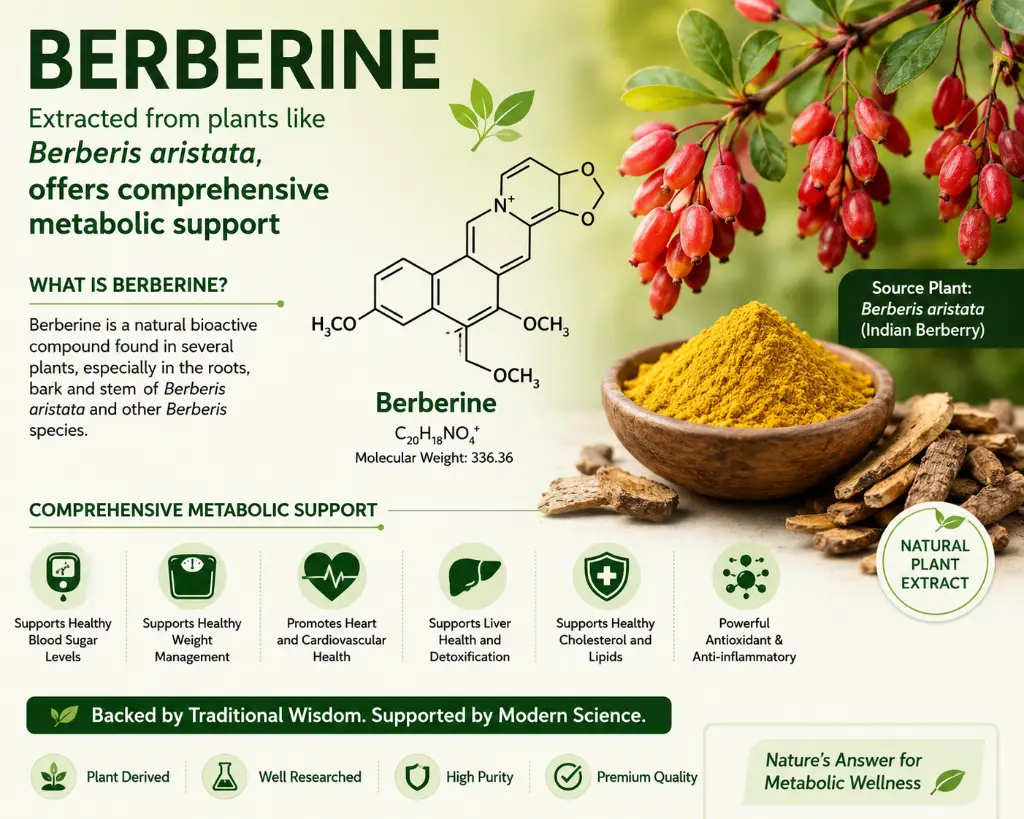
Berberine has emerged as one of the most extensively studied natural compounds for glucose management. This bioactive compound, found in plants like goldenseal and barberry, activates AMP-activated protein kinase (AMPK)—often called the "metabolic master switch."
Research highlights:
- Multiple meta-analyses show berberine can reduce fasting blood glucose by 15-20%
- Improves insulin sensitivity comparable to some prescription medications
- Reduces HbA1c by 0.5-1.0% in clinical trials
- Supports healthy cholesterol and triglyceride levels
2. Cinnamon Extract
The Kitchen Staple with Power
Cinnamon, particularly Ceylon cinnamon (Cinnamomum verum), contains compounds that mimic insulin and increase glucose uptake by cells. It also slows the breakdown of carbohydrates in the digestive tract.
Research highlights:
- Can reduce fasting glucose by 10-29 mg/dL
- Most effective at doses of 1-6 grams daily
- Ceylon variety preferred over Cassia (lower coumarin content)
- Works best when taken with carbohydrate-containing meals
3. Chromium Picolinate
The Essential Mineral
Chromium is a trace mineral that enhances insulin's action by increasing the number of insulin receptors on cell surfaces. Many people with blood sugar issues have suboptimal chromium levels.
Research highlights:
- Most beneficial for those with chromium deficiency
- Typical effective dose: 200-1000 mcg daily
- Picolinate form has superior absorption
- May reduce carbohydrate cravings
4. Alpha-Lipoic Acid (ALA)
The Universal Antioxidant
ALA is both water and fat-soluble, allowing it to work throughout the body. It improves insulin sensitivity and is particularly noted for its ability to address diabetic neuropathy.
Research highlights:
- Reduces insulin resistance by 30-50% in some studies
- Doses of 600-1800 mg daily show benefits
- Protects against oxidative stress from high glucose
- R-form has superior bioavailability
5. Gymnema Sylvestre
The Sugar Destroyer
This Ayurvedic herb, whose name literally means "sugar destroyer," contains gymnemic acids that block sugar absorption in the intestines and may help regenerate pancreatic beta cells.
Research highlights:
- Can reduce sugar absorption by up to 50%
- May suppress sweet taste perception temporarily
- Effective dose: 200-400 mg standardized extract
- Best taken 15-20 minutes before meals
6. Bitter Melon
The Traditional Remedy
Used for centuries in Asian and African traditional medicine, bitter melon contains charantin, vicine, and polypeptide-p—compounds with insulin-like effects.
Research highlights:
- Contains compounds that activate AMPK pathway
- Can reduce fasting glucose by 10-15%
- Available as extract, tea, or whole food
- May work synergistically with other herbs
7. Banaba Leaf
The Glucose Transporter
Native to Southeast Asia, banaba leaf contains corosolic acid, which facilitates glucose transport into cells, effectively lowering blood sugar levels.
Research highlights:
- Corosolic acid acts like insulin at cellular level
- Standardized extracts (1-2% corosolic acid) most effective
- Can reduce post-meal glucose spikes
- Typical dose: 16-48 mg corosolic acid daily
Why Berberine Stands Out as the Best Supplement for Managing Blood Sugar Naturally
Among all natural compounds studied for glucose management, berberine has garnered exceptional attention from researchers and healthcare practitioners alike. Its multi-targeted approach to metabolic health sets it apart from single-mechanism supplements.
How Berberine Works: Multiple Mechanisms
Unlike many supplements that target just one aspect of glucose metabolism, berberine works through several complementary pathways:
AMPK Activation
Activates the same metabolic pathway targeted by exercise and the diabetes medication metformin, improving insulin sensitivity and glucose uptake.
Gut Health
Modulates gut microbiota composition, increasing beneficial bacteria that produce short-chain fatty acids linked to improved glucose metabolism.
Liver Function
Reduces glucose production in the liver (gluconeogenesis), preventing excessive glucose release into the bloodstream.
Clinical Evidence: What the Research Shows
A comprehensive meta-analysis published in 2025 examined 45 randomized controlled trials involving over 3,000 participants. The findings were remarkable:
- Fasting Blood Glucose: Average reduction of 15.9 mg/dL compared to placebo
- HbA1c: Decreased by 0.71% on average
- Post-Meal Glucose: Reduced by 26.3 mg/dL
- Insulin Resistance (HOMA-IR): Improved by 28%
- Lipid Profile: LDL cholesterol down 18%, triglycerides down 23%
Berberine vs. Prescription Medications
Perhaps most impressively, several head-to-head studies have compared berberine to commonly prescribed diabetes medications:
| Parameter | Berberine | Metformin | Key Difference |
|---|---|---|---|
| HbA1c Reduction | 0.7-1.0% | 0.8-1.2% | Comparable efficacy |
| Gastrointestinal Side Effects | Mild (10-15%) | Common (20-30%) | Berberine better tolerated |
| Weight Effect | Neutral to slight loss | Mild loss | Similar |
| Lipid Benefits | Significant | Moderate | Berberine superior |
| Cost | $20-40/month | $4-10/month | Metformin less expensive |
Optimal Dosing and Timing
Research suggests that berberine's effectiveness depends significantly on proper dosing and timing:
- Standard dose: 500 mg taken 2-3 times daily (1000-1500 mg total)
- Timing: Take 15-30 minutes before meals for optimal glucose control
- With food: Can reduce gastrointestinal discomfort if taken with meals
- Cycling: Some practitioners recommend 8 weeks on, 2 weeks off
- Onset: Benefits typically appear within 2-4 weeks, with maximum effects at 3 months
Looking for a High-Quality Berberine Supplement?
If you're ready to explore berberine supplementation as part of your blood sugar management strategy, it's important to choose a product that meets pharmaceutical-grade standards for purity and potency.
We've researched extensively to find formulations that use berberine HCl (the most bioavailable form) with third-party testing and transparent labeling.
View Top-Rated Berberine OptionsPotential Side Effects and Considerations
While berberine is generally well-tolerated, it's important to be aware of potential considerations:
Common but Mild Effects
- Digestive discomfort (cramping, diarrhea)
- Constipation (less common)
- Temporary headache
- These typically resolve within 1-2 weeks
Important Contraindications
- Pregnancy and breastfeeding (avoid)
- May interact with certain medications
- Can lower blood sugar too much if combined with diabetes drugs
- Consult doctor if taking cyclosporine or blood thinners
Berberine vs Cinnamon for Blood Sugar Support: Which Is Right for You?
Two of the most popular natural approaches to glucose management are berberine and cinnamon. While both show promise, they work differently and may be better suited for different individuals and situations.
| Feature | Berberine | Cinnamon |
|---|---|---|
| Mechanism | AMPK activation, multiple pathways | Insulin mimetic, slows carb digestion |
| Evidence Strength | Very strong (45+ RCTs) | Moderate (mixed results) |
| Potency | High (comparable to meds) | Mild to moderate |
| Best For | Significant glucose issues, metabolic syndrome | Mild imbalances, prevention |
| Dose | 500mg 2-3x daily | 1-6g daily (or 120-360mg extract) |
| Cost | $$ (moderate) | $ (inexpensive) |
| Side Effects | Mild GI issues possible | Very rare (coumarin concern with Cassia) |
| Additional Benefits | Cholesterol, weight, gut health | Anti-inflammatory, antioxidant |
When to Choose Berberine
Berberine may be the better choice if you:
- Have been diagnosed with prediabetes or Type 2 diabetes
- Have HbA1c levels above 5.7%
- Are struggling with insulin resistance or metabolic syndrome
- Need more potent glucose-lowering effects
- Also want to improve cholesterol and triglyceride levels
- Are willing to invest in a higher-quality supplement
When to Choose Cinnamon
Cinnamon may be preferable if you:
- Have mildly elevated blood sugar or want prevention
- Prefer a food-based approach
- Are on a tight budget
- Want something you can easily add to meals
- Have sensitive digestion (cinnamon is gentler)
- Are looking for general antioxidant support
Can You Take Both?
Yes, many people successfully combine berberine and cinnamon for synergistic effects. Since they work through different mechanisms, they can complement each other. However:
- Start with one supplement at a time to assess tolerance
- Monitor blood sugar closely, as the combination may have stronger effects
- Use Ceylon cinnamon to avoid excessive coumarin intake
- Consider taking them at different times (cinnamon with meals, berberine before meals)
How to Lower Morning Blood Sugar Spikes Naturally
Morning blood sugar spikes affect millions of people, even those who eat well and exercise regularly. Understanding and addressing this phenomenon is crucial for overall glucose control.

Strategic evening and morning habits can significantly reduce dawn phenomenon effects
Understanding the Dawn Phenomenon
Between 3-8 AM, your body naturally releases a cascade of hormones—including cortisol, glucagon, epinephrine, and growth hormone—to prepare you for waking. These hormones increase insulin resistance and signal your liver to release stored glucose, providing energy to start your day.
For people with optimal glucose metabolism, the pancreas simply releases a bit more insulin to compensate. But for those with insulin resistance or compromised beta-cell function, this results in elevated fasting glucose.
Evidence-Based Strategies
Evening Meal Timing
Strategy: Finish dinner at least 3-4 hours before bedtime
Why it works: Allows glucose levels to stabilize before sleep and prevents overnight glucose elevation from late digestion
Research: Studies show eating dinner before 8 PM can reduce next-morning fasting glucose by 10-15 mg/dL
Apple Cider Vinegar
Strategy: 1-2 tablespoons in water before bed
Why it works: Acetic acid improves insulin sensitivity and reduces liver glucose production overnight
Research: A 2024 study found bedtime ACV reduced morning glucose by 4-6% in insulin-resistant individuals
Evening Exercise
Strategy: 20-30 minutes of moderate activity after dinner
Why it works: Depletes muscle glycogen, creating a "sink" for overnight glucose release
Research: Post-dinner walks can reduce next-morning glucose by 15-20 mg/dL
Protein-Fat Bedtime Snack
Strategy: Small snack with protein and healthy fat (not carbs)
Why it works: Provides steady amino acids without spiking glucose; prevents liver overproduction
Examples: Handful of almonds, Greek yogurt, or cheese with cucumber
Optimize Sleep Quality
Strategy: 7-9 hours of quality sleep in a cool, dark room
Why it works: Poor sleep increases cortisol and insulin resistance the next day
Research: Just one night of <6 hours sleep can reduce insulin sensitivity by 25%
Targeted Supplementation
Strategy: Berberine before bed or upon waking
Why it works: Reduces liver glucose production and improves overnight insulin sensitivity
Research: Bedtime berberine (500mg) reduced fasting glucose by 12-18 mg/dL in clinical trials
The Somogyi Effect: Don't Confuse It with Dawn Phenomenon
Sometimes high morning glucose isn't from the dawn phenomenon but from rebound hyperglycemia (Somogyi effect). This occurs when blood sugar drops too low during the night (often from medication or insufficient evening food), triggering a stress hormone surge that overcompensates, causing high morning glucose.
How to tell the difference: Check blood sugar at 2-3 AM for several nights. If it's low (<70 mg/dL), you may be experiencing the Somogyi effect and should adjust evening medication or add a bedtime snack. If it's normal or high, it's likely the dawn phenomenon.
Best Blood Sugar Supplement for Adults Over 50
As we age, our bodies undergo metabolic changes that make blood sugar management more challenging. After 50, insulin sensitivity naturally declines, muscle mass decreases (reducing glucose disposal), and hormonal shifts—particularly during menopause for women—can significantly impact glucose metabolism.
Special Considerations for the 50+ Population
- Medication interactions: More likely to be on multiple prescriptions
- Kidney function: Natural decline affects supplement clearance
- Digestive changes: Reduced stomach acid affects nutrient absorption
- Cardiovascular health: Blood sugar and heart health are closely linked
- Bone density: Some supplements may affect calcium absorption
Top Supplement Recommendations for Adults Over 50
Berberine
Why it's ideal:
- Addresses multiple age-related metabolic changes
- Supports cardiovascular health (crucial after 50)
- May help preserve muscle mass
- Improves lipid profiles
Dose: 500mg 2x daily with meals
Vitamin D3 + K2
Why it's important:
- Deficiency strongly linked to insulin resistance
- Supports bone health (critical after 50)
- Reduces inflammation
- Many adults over 50 are deficient
Dose: 2000-5000 IU D3 + 100mcg K2
Magnesium Glycinate
Why it helps:
- Essential for insulin signaling
- Improves sleep quality
- Supports blood pressure
- Deficiency common in older adults
Dose: 300-400mg elemental magnesium
Cinnamon Extract
Benefits for 50+:
- Gentle on digestion
- Anti-inflammatory properties
- Supports cognitive function
- Low risk of interactions
Dose: 500mg Ceylon cinnamon extract
Omega-3 Fatty Acids
Why essential:
- Reduces inflammation driving insulin resistance
- Protects cardiovascular health
- Supports brain function
- Improves cell membrane insulin sensitivity
Dose: 2-3g EPA+DHA combined
Chromium Picolinate
Age-specific benefits:
- Enhances insulin receptor function
- May reduce carbohydrate cravings
- Supports healthy body composition
- Well-tolerated by older adults
Dose: 200-400mcg daily
Safety Considerations for the 50+ Population
- Review all current medications with your healthcare provider
- Get baseline blood work (fasting glucose, HbA1c, kidney function, liver enzymes)
- Start with lower doses and increase gradually
- Monitor blood sugar more frequently when starting new supplements
- Be aware that supplement needs may change as medications are adjusted
Why Most Blood Sugar Supplements Fail (And What Actually Works)
The supplement industry is flooded with products claiming to support healthy blood sugar, yet many people report disappointing results. Understanding why these products fail can help you make smarter choices and avoid wasting money on ineffective formulations.

Third-party testing and transparent labeling are essential for supplement efficacy
The 5 Common Reasons Supplements Don't Work
1. Underdosed Ingredients
Many supplements include "fairy dusting"—tiny amounts of popular ingredients just so they can list them on the label. For example, a product might contain 50mg of berberine when research shows you need 1000-1500mg daily for benefits.
Red flag: Proprietary blends that don't disclose individual ingredient amounts
2. Poor Bioavailability
Some ingredients are poorly absorbed in their standard form. Berberine, for instance, has relatively low bioavailability. Quality products use enhanced forms (berberine HCl) or include absorption enhancers like black pepper extract (piperine).
Solution: Look for standardized extracts and bioavailability enhancers
3. Missing Key Synergists
Blood sugar management requires a multi-targeted approach. A product with only cinnamon, for example, misses opportunities to address insulin resistance, liver glucose production, and gut health simultaneously.
Better approach: Comprehensive formulas with complementary ingredients
4. Low-Quality Manufacturing
Without third-party testing, there's no guarantee the product contains what the label claims. Contamination, degradation, and inconsistent potency are real problems in the supplement industry.
Look for: GMP certification, third-party testing (NSF, USP, ConsumerLab)
5. Unrealistic Expectations
No supplement can overcome a poor diet, sedentary lifestyle, chronic stress, or inadequate sleep. Supplements work best as part of a comprehensive approach, not as magic bullets.
Reality check: Expect 10-20% improvement from supplements; lifestyle changes provide 50-60%
What Actually Works: The Evidence-Based Approach
Effective blood sugar management requires addressing the root causes, not just masking symptoms. Here's what research consistently shows works:
- Weight management: Losing just 5-7% of body weight can reduce diabetes risk by 58%
- Regular exercise: Both aerobic and resistance training improve insulin sensitivity
- Quality sleep: 7-9 hours nightly is essential for glucose regulation
- Stress reduction: Chronic stress elevates cortisol and blood sugar
- Targeted supplementation: High-quality, properly dosed ingredients like berberine
- Dietary modifications: Reducing refined carbs, increasing fiber, balancing macros
1. Diet & Nutrition (40% of results)
2. Physical Activity (25%)
3. Sleep & Stress Management (20%)
4. Supplementation (10%)
5. Other factors (5%)
Top Rated Blood Sugar Support Supplements Compared
After reviewing dozens of products, analyzing ingredient profiles, checking third-party testing, and evaluating user feedback, here's how the leading blood sugar supplements compare.
| Product Type | Key Ingredients | Price/Month | Best For | Rating |
|---|---|---|---|---|
| Berberine HCl (Single) | 500mg Berberine HCl | $20-30 | Maximum potency, proven results | ★★★★★ |
| Berberine Complex | Berberine + Cinnamon + Chromium + ALA | $35-45 | Comprehensive multi-target support | ★★★★★ |
| Cinnamon Extract | 500mg Ceylon Cinnamon | $15-25 | Mild support, budget-friendly | ★★★★☆ |
| Multi-Ingredient Formula | 10+ ingredients (varies) | $40-60 | Those wanting everything in one | ★★★☆☆ |
| Gymnema Sylvestre | 400mg standardized extract | $20-30 | Reducing sugar cravings | ★★★★☆ |
What to Look For When Choosing
✓ Transparent Labeling
Every ingredient amount should be clearly listed—no proprietary blends hiding doses.
✓ Third-Party Testing
Look for NSF, USP, ConsumerLab, or Informed Choice certification.
✓ Clinical Doses
Ingredients should match amounts used in research studies.
✓ Bioavailable Forms
Berberine HCl, methylated B vitamins, chelated minerals.
✓ No Fillers
Avoid unnecessary additives, artificial colors, and allergens.
✓ Money-Back Guarantee
Companies confident in their products offer 30-90 day guarantees.
Ready to Try a Clinically-Backed Formula?
Based on our research criteria—transparent labeling, clinical doses, third-party testing, and positive user feedback—several high-quality berberine-based supplements stand out.
These products use pharmaceutical-grade berberine HCl, include complementary ingredients at effective doses, and undergo rigorous quality testing.
Explore Top-Rated Blood Sugar SupplementsBest Supplement for Managing Blood Sugar Naturally: Complete Buyer's Guide
Choosing the right supplement can feel overwhelming with so many options available. This comprehensive buyer's guide will walk you through everything you need to know to make an informed decision.
Understanding What Causes Blood Sugar Fluctuations
Before selecting a supplement, it helps to understand what's driving your glucose issues:
Dietary Factors
- High refined carbohydrate intake
- Low fiber consumption
- Excessive added sugars
- Large portion sizes
- Irregular meal timing
Lifestyle Factors
- Sedentary behavior
- Chronic stress
- Poor sleep quality
- Dehydration
- Excess visceral fat
Physiological Factors
- Insulin resistance
- Pancreatic beta-cell dysfunction
- Chronic inflammation
- Gut microbiome imbalance
- Hormonal changes
Medication Effects
- Corticosteroids
- Beta-blockers
- Statins
- Antidepressants
- Diuretics
Ingredients to Look For
Prioritize supplements containing these evidence-backed ingredients:
Primary Ingredients (Must-Have)
- Berberine HCl (500mg per dose)
- Ceylon Cinnamon extract
- Chromium picolinate (200-400mcg)
- Alpha-lipoic acid (300-600mg)
Supporting Ingredients (Bonus)
- Gymnema sylvestre
- Banaba leaf (corosolic acid)
- Bitter melon extract
- Fenugreek seed
- Magnesium
- Vitamin D3
Ingredients to Avoid
- Proprietary blends: Hide actual ingredient amounts
- Excessive fillers: Magnesium stearate, silicon dioxide in large amounts
- Artificial additives: Colors, flavors, preservatives
- Common allergens: If you have sensitivities (gluten, soy, dairy)
- Unproven "miracle" ingredients: Stick with research-backed compounds
How to Choose: A Step-by-Step Process
- Assess your needs: Are you looking for prevention, mild support, or significant glucose management?
- Check the label: Verify ingredient amounts match clinical research doses
- Verify quality: Look for third-party testing certifications
- Read reviews: Check multiple sources for user experiences
- Consider cost: Calculate cost per serving, not just bottle price
- Start simple: Consider single-ingredient berberine before complex formulas
- Consult your doctor: Especially if taking medications or have health conditions
Price vs. Value
While it's tempting to choose the cheapest option, remember that quality matters. A $20 bottle with underdosed ingredients is more expensive than a $40 bottle with clinical doses that actually work.
Typical price ranges:
- Budget ($15-25/month): Basic single-ingredient supplements
- Mid-range ($25-40/month): Quality berberine or multi-ingredient formulas
- Premium ($40-60/month): Comprehensive formulas with enhanced bioavailability
Frequently Asked Questions
Most people notice initial changes within 2-4 weeks, with more significant improvements appearing after 8-12 weeks of consistent use. Berberine, for example, typically shows measurable effects on fasting glucose within 2 weeks, but maximum HbA1c improvements take 3 months. Remember, supplements work gradually—they're not quick fixes.
This requires medical supervision. Supplements like berberine can enhance the effects of diabetes medications, potentially causing blood sugar to drop too low (hypoglycemia). If you're on metformin, insulin, sulfonylureas, or other glucose-lowering drugs, consult your doctor before adding supplements. They may need to adjust your medication dosage.
"Natural" doesn't automatically mean "safer." Both supplements and medications can have side effects and interactions. However, supplements like berberine often have fewer and milder side effects than prescription drugs. That said, prescription medications undergo more rigorous testing and regulation. The best approach depends on your individual situation—work with your healthcare provider to determine what's appropriate for you.
Timing depends on the supplement. Berberine is most effective taken 15-30 minutes before meals, as this allows it to be active when glucose from food enters your bloodstream. Cinnamon can be taken with meals. Chromium and alpha-lipoic acid are often taken with food to reduce stomach upset. Always follow the specific product's instructions.
Supplements alone cannot reverse these conditions, but they can be powerful tools as part of a comprehensive approach. Research shows that combining lifestyle changes (diet, exercise, weight loss) with targeted supplementation can help some people with prediabetes return to normal glucose levels. For Type 2 diabetes, supplements may help improve control and potentially reduce medication needs, but they should complement—not replace—medical treatment.
Both activate AMPK and improve insulin sensitivity, but they're different compounds. Metformin is a prescription drug with decades of research; berberine is a natural compound with growing evidence. Studies show similar efficacy for glucose control, but metformin is less expensive and more extensively studied for long-term safety. Berberine may offer additional benefits for cholesterol and gut health. Some people use berberine as a natural alternative; others use both (under medical supervision).
There's no definitive research requiring cycling, but some practitioners recommend taking breaks. For berberine, a common protocol is 8 weeks on, 2 weeks off. This may help prevent your body from adapting and maintain effectiveness. However, many people take supplements continuously without issues. Listen to your body and discuss with your healthcare provider.
Yes, many supplements work synergistically. For example, berberine + cinnamon + chromium can be more effective than any single ingredient. However, start one at a time to assess tolerance and effects. Monitor your blood sugar closely when combining supplements, as the cumulative effect may be stronger. Avoid taking multiple products with the same ingredients to prevent overdosing.
Conclusion: Taking Control of Your Blood Sugar Health
Managing blood sugar naturally is not about finding a single magic pill—it's about implementing a comprehensive strategy that addresses the root causes of glucose dysregulation. The best supplement for managing blood sugar naturally is one that fits into a broader lifestyle approach including nutritious eating, regular physical activity, quality sleep, and stress management.
Among the many options available, berberine stands out for its robust research support, multi-targeted mechanisms, and favorable safety profile. Whether you choose berberine, cinnamon, a comprehensive formula, or a combination approach, the key is consistency, quality, and realistic expectations.
Your Action Plan
- Get tested: Know your baseline (fasting glucose, HbA1c, insulin)
- Identify triggers: Track what affects your blood sugar (food, stress, sleep)
- Optimize lifestyle: Prioritize diet, exercise, and sleep before supplements
- Choose quality: Select evidence-backed supplements with transparent labeling
- Start gradually: Introduce one change at a time
- Monitor progress: Track your numbers and how you feel
- Be patient: Give interventions 8-12 weeks to show effects
- Adjust as needed: Work with your healthcare team to refine your approach
Taking proactive steps to support healthy blood sugar is one of the most important investments you can make in your long-term health. With the right knowledge, quality supplements, and commitment to lifestyle changes, you can achieve better glucose control and reduce your risk of diabetes-related complications.
Ready to Start Your Blood Sugar Journey?
If you're looking for a high-quality, research-backed supplement to support your glucose management goals, we've done the research to identify products that meet strict quality standards.
These formulations use clinical doses of proven ingredients like berberine HCl, undergo third-party testing, and come from reputable manufacturers committed to transparency and efficacy.
View Recommended Blood Sugar SupplementsMedical Disclaimer: We may receive compensation when you make a purchase, at no additional cost to you. We only recommend products we've thoroughly researched and believe provide genuine value
© 2026 Blood Sugar Health Guide. All rights reserved.