Belly Fat Reduction for Women Over 40: A Comprehensive, Science-Based Guide
Understanding the unique metabolic and hormonal challenges of midlife—and proven strategies that actually work
Introduction: The Midlife Weight Challenge
If you're a woman over 40 who's noticed that stubborn belly fat seems more resistant to change than it used to be, you're experiencing something very real—and very common. This isn't a personal failure or a lack of willpower. It's biology.
Many women in their forties and fifties find themselves frustrated by changes that seem unfair: eating the same foods that worked in their thirties, maintaining similar exercise routines, yet seeing the scale creep upward, particularly around the midsection. The extra pounds seem determined to stay put regardless of effort.

Women over 40 face unique metabolic challenges that require tailored approaches to belly fat reduction
What's happening is a convergence of hormonal shifts, metabolic adjustments, and physiological changes that fundamentally alter how your body stores and burns fat. Understanding these changes is the first step toward developing strategies that actually work for your current life stage.
This comprehensive guide walks you through the science behind age-related weight changes, debunks common myths, and provides evidence-based strategies that respect your body's evolving needs. We'll explore nutrition approaches that support hormonal balance, exercise protocols that maximize results without causing injury, and lifestyle modifications that address root causes of midlife weight gain.
Most importantly, we emphasize sustainable, healthy approaches over quick fixes. Because the goal isn't just to lose belly fat—it's to build a foundation for lifelong health, vitality, and confidence.
1. Why Belly Fat Increases After 40: The Science
Understanding why belly fat becomes more prevalent after 40 is crucial for developing effective strategies. Multiple interconnected factors create what many women describe as a "perfect storm" for abdominal weight gain.
Hormonal Changes & Estrogen Decline
During perimenopause and menopause, estrogen levels fluctuate dramatically before declining. Estrogen helps regulate fat distribution, typically directing storage to hips and thighs. As levels drop, the body shifts toward storing fat viscerally (around organs) rather than subcutaneously (under the skin).
Loss of Muscle Mass
Starting around age 30, women naturally lose 3-5% of muscle mass per decade. Muscle tissue burns more calories at rest than fat tissue. Less muscle means a slower resting metabolic rate, making weight maintenance more challenging even with identical eating patterns.
Slower Metabolism
Beyond muscle loss, cellular metabolism naturally slows with age. Mitochondrial function—the energy powerhouses in your cells—becomes less efficient. Your body requires fewer calories for basic functions, meaning previous eating habits may now result in gradual weight gain.
Increased Stress & Cortisol
Women in their 40s often face peak stress from career demands, caring for aging parents, raising teenagers, and relationship changes. Chronic stress elevates cortisol, a hormone that specifically promotes abdominal fat storage and increases cravings for high-calorie comfort foods.
Sleep Quality Changes
Hormonal fluctuations, night sweats, and increased anxiety often disrupt sleep patterns. Poor sleep affects hunger hormones (increasing ghrelin, decreasing leptin), reduces insulin sensitivity, and decreases motivation for physical activity—creating a cascade effect on weight.
Gut Microbiome Shifts
Research shows that gut bacteria composition changes with age and hormonal status. An imbalanced microbiome can affect nutrient absorption, inflammation levels, and even influence fat storage patterns, particularly in the abdominal region.
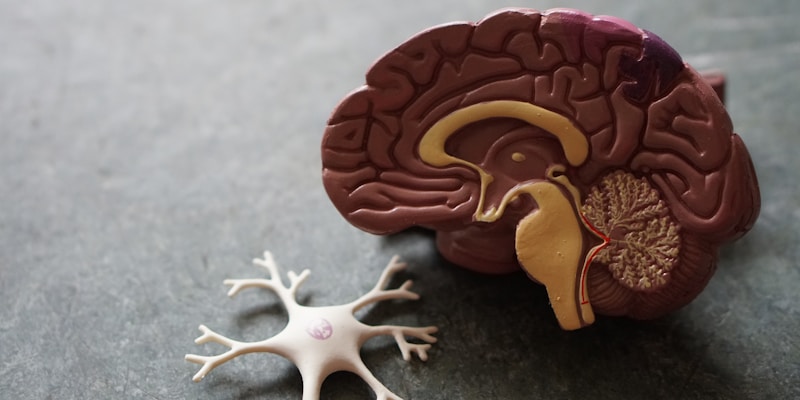
Multiple biological factors converge to make belly fat reduction more challenging after 40
The Visceral Fat Concern
It's important to distinguish between subcutaneous fat (the pinchable fat under your skin) and visceral fat (deep abdominal fat surrounding organs). After 40, women tend to accumulate more visceral fat, which is metabolically active and releases inflammatory compounds.
Visceral fat is associated with increased risks of:
- Type 2 diabetes and insulin resistance
- Cardiovascular disease
- Hypertension
- Certain cancers
- Cognitive decline
This isn't meant to alarm you, but to emphasize why addressing belly fat after 40 is about far more than appearance—it's a critical component of long-term health.
2. Common Mistakes Women Over 40 Make
Many women approach belly fat reduction using strategies that worked in their younger years or that they've seen work for others, only to find themselves frustrated by lack of results. These common missteps can actually work against your goals:
The Cardio Trap
Many women believe that hours of cardio are the key to belly fat loss. While cardiovascular exercise offers important health benefits, excessive cardio without adequate strength training can actually backfire after 40. Long-duration cardio can:
- Increase cortisol levels, promoting abdominal fat storage
- Break down muscle tissue, further slowing metabolism
- Create excessive hunger that leads to overeating
- Cause joint stress and injury risk
The Calorie Restriction Mistake
Eating too little is perhaps the most counterproductive mistake. When you severely restrict calories:
⚠️ Metabolic Adaptation Warning
Your body perceives severe calorie restriction as a threat and responds by slowing metabolism, increasing hunger hormones, and prioritizing fat storage—particularly in the abdominal area. This survival mechanism made sense evolutionarily but works against modern weight loss goals.
The Fad Diet Cycle
Keto, intermittent fasting, juice cleanses, extreme elimination diets—women over 40 are particularly vulnerable to these approaches because they promise quick results. However, these diets often:
- Don't address hormonal changes specific to perimenopause
- Are unsustainable long-term, leading to weight cycling
- May lack nutrients crucial for bone health and hormonal balance
- Can worsen stress on an already stressed system

Sustainable approaches that work with your biology outperform extreme measures every time
3. Best Diet Strategies for Belly Fat Reduction After 40
Nutrition after 40 isn't about deprivation—it's about strategic choices that support hormonal balance, preserve muscle mass, and reduce inflammation. These evidence-based approaches address the unique needs of midlife metabolism.
Prioritize Protein (1.2-1.6g per kg)
Why it matters: Protein preserves muscle mass during weight loss, increases satiety, and has a higher thermic effect (your body burns more calories digesting it). After 40, protein needs increase while appetite regulation becomes less efficient.
Practical tips: Include 25-30g protein at each meal. Choose lean meats, fish, eggs, Greek yogurt, legumes, and quality protein supplements when needed.
Fiber-Rich Foods (25-30g daily)
Why it matters: Fiber slows digestion, stabilizes blood sugar, feeds beneficial gut bacteria, and promotes satiety. Soluble fiber specifically helps reduce visceral fat.
Practical tips: Eat vegetables at every meal, choose whole grains over refined, include legumes, berries, chia seeds, and flaxseeds.
Healthy Fats Are Essential
Why it matters: Healthy fats support hormone production (including sex hormones), reduce inflammation, and enhance nutrient absorption. Very low-fat diets can actually worsen hormonal imbalances.
Practical tips: Include avocados, olive oil, nuts, seeds, and fatty fish. Aim for omega-3 fatty acids to combat inflammation.
Reduce Added Sugar & Refined Carbs
Why it matters: Insulin resistance becomes more common after 40. Sugar and refined carbohydrates spike insulin, promoting fat storage—particularly abdominal fat.
Practical tips: Limit sugary beverages, processed snacks, white bread, and desserts. Choose complex carbs with fiber.
Mindful Meal Timing
Why it matters: While extreme fasting isn't necessary, allowing 12-14 hours between dinner and breakfast can support metabolic health and align with circadian rhythms.
Practical tips: Finish eating 2-3 hours before bed, don't skip breakfast if it leads to overeating later, and listen to hunger cues.
Hydration & Anti-Inflammatory Foods
Why it matters: Chronic low-grade inflammation increases with age and contributes to insulin resistance and belly fat. Proper hydration supports all metabolic processes.
Practical tips: Drink water consistently, include turmeric, ginger, berries, leafy greens, and green tea. Limit alcohol, which specifically promotes abdominal fat.
The Mediterranean Approach
Research consistently shows that Mediterranean-style eating patterns are particularly effective for women over 40. This approach emphasizes:
- Abundant vegetables and fruits
- Whole grains over refined
- Healthy fats (especially olive oil)
- Moderate fish and poultry
- Limited red meat and processed foods
- Herbs and spices instead of salt
A 2020 study in the Journal of Nutrition found that postmenopausal women following a Mediterranean diet lost more visceral fat than those on low-fat diets, even with similar calorie intake.

Mediterranean eating patterns naturally support hormonal balance and reduce inflammation
4. Best Exercises for Women Over 40
Exercise after 40 requires a strategic shift from quantity to quality. The goal is building and preserving muscle, supporting bone density, managing stress, and boosting metabolism—without causing injury or excessive cortisol elevation.
Strength Training: Non-Negotiable
This is the single most important exercise modality for women over 40 targeting belly fat. Here's why:
- Preserves muscle mass: Counteracts age-related sarcopenia
- Boosts resting metabolism: More muscle = more calories burned 24/7
- Improves insulin sensitivity: Helps regulate blood sugar and reduce fat storage
- Strengthens bones: Critical for preventing osteoporosis
- Creates afterburn effect: Continues burning calories post-workout
What to do: Focus on compound movements (squats, deadlifts, rows, presses) that work multiple muscle groups. Start with lighter weights and perfect form before progressing. Aim for 2-3 sessions weekly, allowing 48 hours between working the same muscle groups.
Walking: The Underrated Fat Burner
Don't underestimate the power of consistent, moderate walking. Unlike high-intensity exercise that can elevate cortisol, walking:
- Burns fat directly as fuel
- Doesn't spike stress hormones
- Is sustainable daily
- Supports recovery between intense workouts
- Improves insulin sensitivity
Target: 8,000-10,000 steps daily. Break this into multiple walks if needed—a 15-minute walk after meals is particularly effective for blood sugar control.
HIIT: Use Strategically
High-Intensity Interval Training can be effective but should be used judiciously after 40:
⚠️ Moderation is Key
While HIIT boosts metabolism and preserves muscle, too much can elevate cortisol and interfere with recovery. Limit to 1-2 sessions weekly, maximum 20-30 minutes, and ensure adequate recovery time.
Better approach: Moderate-intensity intervals (where you can still speak in short sentences) rather than all-out sprints.
Core Work: Beyond Crunches
Spot reduction is a myth—you can't target belly fat with ab exercises alone. However, core strengthening is crucial for:
- Improving posture (which can make your midsection appear flatter)
- Supporting lower back health
- Enhancing overall functional strength
- Activating deep core muscles that support organs
Effective exercises: Planks, bird-dogs, dead bugs, Pallof presses, and functional movements that engage the core naturally.
Strength training 2-3x weekly is essential for preserving metabolism and reducing belly fat after 40
Sample Weekly Exercise Schedule
Monday
Strength Training (Lower Body) + 15-min walk
Tuesday
30-min brisk walk or cycling + stretching
Wednesday
Strength Training (Upper Body) + core work
Thursday
Active recovery: yoga or gentle walk
Friday
Full-body strength or HIIT (20 min max)
Saturday
Longer walk/hike (45-60 min) + flexibility
Sunday
Rest or gentle movement (stretching, walking)
5. Morning Habits That Support Belly Fat Reduction
How you start your day sets the tone for metabolic health, stress management, and food choices. These morning habits create a foundation for sustainable belly fat reduction:
Protein-Rich Breakfast
Eating 25-30g protein within an hour of waking stabilizes blood sugar, reduces cravings, and prevents mid-morning energy crashes. Options: Greek yogurt with nuts, eggs with vegetables, protein smoothie, or cottage cheese with berries.
Morning Movement
Even 10-15 minutes of morning walking boosts metabolism, improves mood, and establishes exercise consistency. Morning exercise also helps regulate circadian rhythms, improving sleep quality.
Hydrate Before Caffeine
Drink 16-20oz water upon waking. Overnight dehydration slows metabolism and can be mistaken for hunger. Wait 30-60 minutes before coffee to allow natural cortisol rhythms to normalize.
Stress Management Practice
5-10 minutes of meditation, deep breathing, or journaling lowers cortisol before the day's stresses accumulate. Lower cortisol = less abdominal fat storage.
Natural Light Exposure
Get outside within an hour of waking. Morning light regulates circadian rhythms, improves sleep quality, and boosts vitamin D—all factors in weight management.
Delay Phone/Email
Avoid checking work email or social media for the first 30-60 minutes. Starting the day in reactive mode elevates cortisol and can trigger stress-eating patterns.

Morning habits set the metabolic and emotional tone for the entire day
6. The Role of Hormones in Belly Fat After 40
Understanding hormonal changes is crucial for developing realistic expectations and effective strategies. Multiple hormones interact to influence where and how your body stores fat.
Menopause and Perimenopause
The transition to menopause typically occurs between 45-55, but perimenopause (the transition phase) can start in the early 40s. During this time:
- Estrogen fluctuates wildly before declining, affecting fat distribution
- Progesterone decreases, which can increase anxiety and disrupt sleep
- Testosterone declines, contributing to muscle loss and reduced metabolic rate
- Body shifts from gynoid (pear-shaped) to android (apple-shaped) fat distribution
Insulin Resistance
Insulin sensitivity naturally decreases with age, and hormonal changes can accelerate this. When cells become resistant to insulin:
⚠️ The Vicious Cycle
Higher insulin levels promote fat storage, particularly visceral fat. Visceral fat releases inflammatory compounds that worsen insulin resistance. Breaking this cycle requires addressing both nutrition and physical activity.
Signs of insulin resistance:
- Difficulty losing weight despite calorie restriction
- Cravings for carbohydrates and sugar
- Energy crashes after meals
- Increased waist circumference
- Elevated triglycerides or blood sugar
Cortisol and Chronic Stress
Cortisol, your primary stress hormone, has a complex relationship with belly fat:
- Chronically elevated cortisol promotes visceral fat storage
- Increases appetite, particularly for high-calorie "comfort foods"
- Breaks down muscle tissue for quick energy
- Disrupts sleep, creating a cascade of metabolic issues
- Interferes with thyroid function
Thyroid Considerations
Hypothyroidism becomes more common after 40, particularly in women. An underactive thyroid slows metabolism and can make weight loss extremely difficult.
Symptoms to discuss with your healthcare provider:
- Unexplained weight gain or difficulty losing weight
- Persistent fatigue despite adequate sleep
- Cold intolerance
- Hair thinning or dry skin
- Constipation
- Depression or brain fog
🩺 Medical Evaluation is Important
If you're struggling with unexplained weight gain, persistent fatigue, or other symptoms, consult your healthcare provider. Request comprehensive hormone testing including:
- Thyroid panel (TSH, Free T3, Free T4, thyroid antibodies)
- Fasting insulin and glucose
- HbA1c
- Sex hormones (estradiol, progesterone, testosterone)
- Vitamin D levels
Addressing underlying hormonal imbalances is essential for successful, sustainable weight management.
7. A Realistic 30-Day Belly Fat Reduction Plan
This progressive plan focuses on building sustainable habits rather than extreme restriction. The goal is creating lasting change, not quick fixes.
Nutrition Focus:
- Track food intake without judgment (use an app or journal)
- Add protein to every meal (aim for 25-30g)
- Drink 8 glasses of water daily
- Eliminate sugary beverages
Exercise Focus:
- Walk 20 minutes daily
- Two 20-minute bodyweight strength sessions
- 5 minutes of stretching daily
Habit Focus:
- Establish consistent sleep/wake times
- Practice 5 minutes of deep breathing daily
Nutrition Focus:
- Increase vegetables to 5+ servings daily
- Include fiber-rich foods at each meal
- Practice mindful eating (no screens during meals)
- Reduce processed snacks
Exercise Focus:
- Increase walks to 30 minutes
- Three strength sessions (add light weights)
- Try one yoga or stretching class
Habit Focus:
- Morning hydration before coffee
- 10-minute wind-down routine before bed
Nutrition Focus:
- Reduce refined carbohydrates
- Include healthy fats daily
- Practice portion awareness (use smaller plates)
- Limit alcohol to 1-2 drinks weekly
Exercise Focus:
- Add one interval training session
- Strength training with progressive weights
- Increase daily steps to 8,000+
Habit Focus:
- Morning movement (even 10 minutes)
- Stress management practice daily
Nutrition Focus:
- Maintain protein and vegetable goals
- Plan meals to prevent impulsive choices
- Allow flexible eating (80/20 rule)
- Notice how foods make you feel
Exercise Focus:
- Establish consistent workout schedule
- Challenge yourself with weights or intensity
- Find enjoyable movement activities
Habit Focus:
- Review what's working and adjust
- Plan for maintaining habits beyond 30 days

Consistent small changes compound into significant results over time
Progress Measurement
Don't rely solely on the scale. Track multiple indicators:
- Waist circumference: Measure at belly button weekly
- How clothes fit: Notice changes in fit, not just size
- Energy levels: Rate daily energy 1-10
- Sleep quality: Track hours and restfulness
- Strength improvements: Note weight/repetition increases
- Mood and stress: Journal emotional changes
Realistic Expectations
Healthy, sustainable fat loss is typically 0.5-2 pounds per week. In the first week, you might see more due to water loss, but steady progress is more important than rapid results. Focus on how you feel, not just the number on the scale.
8. Supplements: What Helps and What Doesn't
While no supplement can replace proper nutrition and exercise, some may provide supportive benefits. It's crucial to approach supplements with realistic expectations and evidence-based information.
Protein Powder
Evidence: Strong support for preserving muscle during weight loss and increasing satiety.
Best for: Women struggling to meet protein goals through food alone.
Limitations: Not necessary if you're meeting protein needs through whole foods.
Fiber Supplements
Evidence: Moderate support for increased satiety and improved digestive health.
Best for: Those not meeting 25-30g daily fiber through diet.
Limitations: Whole food sources provide additional nutrients; supplements can cause bloating if increased too quickly.
Probiotics
Evidence: Emerging research shows certain strains may support weight management and reduce inflammation.
Best for: Supporting gut health, particularly after antibiotics or with digestive issues.
Limitations: Effects are strain-specific and individual; not a magic solution for weight loss.
Omega-3 Fish Oil
Evidence: Good support for reducing inflammation and supporting metabolic health.
Best for: Women not eating fatty fish 2-3x weekly.
Limitations: Quality varies; choose third-party tested products.
Vitamin D
Evidence: Deficiency is common and associated with weight gain and metabolic issues.
Best for: Those with low levels (get tested first).
Limitations: Supplementation only helps if you're deficient.
Green Tea Extract
Evidence: Modest metabolic boost; effects are small.
Best for: Minor supportive role alongside other strategies.
Limitations: Can cause jitters; effects are minimal compared to diet and exercise.
About Probiotic Supplements
The gut microbiome plays an increasingly recognized role in weight management. Research suggests that the composition of gut bacteria differs between individuals with obesity and those at healthy weights.
Certain probiotic strains—particularly from the Lactobacillus and Bifidobacterium families—have shown promise in studies for:
- Reducing inflammation
- Improving insulin sensitivity
- Decreasing fat absorption
- Supporting healthy appetite regulation
Some women exploring probiotic supplementation consider products like LeanBiome, which contains specific probiotic strains studied for metabolic health support. However, it's important to understand:
⚠️ Important Considerations
- Probiotics are supplements to—not replacements for—healthy eating and exercise
- Individual responses vary significantly
- Quality and strain specificity matter greatly
- Results, if any, take weeks to months
- Consult your healthcare provider, especially if you have immune system concerns or are taking medications
- Always prioritize foundational lifestyle changes before considering supplements
Exploring LeanBiome as a Supportive Option
For women interested in probiotic support, LeanBiome is one option that has gained attention in the health community. This supplement contains specific probiotic strains that research suggests may support metabolic health and weight management.
What the research suggests:
- Certain probiotic strains may help modulate gut bacteria composition
- Some studies indicate potential benefits for reducing inflammation
- May support improved insulin sensitivity when combined with lifestyle changes
Important considerations:
- LeanBiome should complement—not replace—foundational nutrition and exercise habits
- Individual results vary; what works for one person may not work for another
- Quality matters—look for products with third-party testing
- Consult with a healthcare provider before starting, especially if you have underlying health conditions
- Supplements work best as part of a comprehensive approach
If you're interested in learning more about LeanBiome and whether it might fit into your wellness routine, you can explore more information here. Remember, supplements are just one piece of the puzzle.
Supplements to Approach Cautiously
- Fat burners: Often contain high caffeine and stimulants that can increase cortisol and disrupt sleep
- Detox teas: Typically laxatives that cause water loss, not fat loss
- Extreme appetite suppressants: Can interfere with natural hunger cues and nutrient intake
- Miracle cure claims: If it sounds too good to be true, it is
Bottom line: Focus on getting nutrients from whole foods first. Consider supplements only to address specific, identified needs, and always prioritize quality and third-party testing.
9. Success Stories and Realistic Expectations
While individual results vary, understanding common patterns in successful belly fat reduction after 40 can provide realistic benchmarks and motivation.
Case Example: Sarah, 47
Challenge: Gained 25 pounds over 5 years, particularly around midsection, despite "eating healthy" and walking regularly.
What Changed:
- Started strength training 3x weekly (had avoided weights thinking cardio was better)
- Increased protein from ~50g to 100g daily
- Reduced wine consumption from nightly to 2x weekly
- Prioritized 7-8 hours of sleep
- Managed stress through yoga and meditation
Results: Lost 18 pounds over 8 months, reduced waist circumference by 4 inches, reports significantly more energy and better sleep.
Key Insight: "I stopped fighting my body and started working with it. Strength training was the game-changer I'd been avoiding."
Case Example: Maria, 52
Challenge: Perimenopause symptoms, stubborn belly fat despite calorie counting, constant fatigue.
What Changed:
- Got thyroid and hormone testing (discovered hypothyroidism)
- Worked with healthcare provider on treatment
- Stopped extreme calorie restriction (was eating only 1200 calories)
- Focused on nutrient-dense foods rather than just calories
- Incorporated daily walking and weekly strength training
Results: Lost 15 pounds over 10 months, energy levels dramatically improved, waist measurement down 3 inches.
Key Insight: "I was doing everything 'right' but missing the medical piece. Getting my thyroid treated made everything else work."
Case Example: Jennifer, 44
Challenge: High-stress career, emotional eating, no time for exercise, 20-pound weight gain in 3 years.
What Changed:
- Started with just 10-minute morning walks
- Prepared protein-rich breakfasts to prevent mid-morning cravings
- Practiced 5 minutes of deep breathing before meals
- Gradually increased activity as energy improved
- Joined online support community for accountability
Results: Lost 12 pounds over 6 months, maintained loss for 18 months, reports better stress management.
Key Insight: "Small, consistent changes were sustainable. I didn't have time for perfection, but I had time for progress."
Common Themes in Success
- Patience: Sustainable results took 6-12 months, not weeks
- Strength training: Every success story included resistance exercise
- Protein focus: Adequate protein was universally important
- Sleep and stress: Addressing these was often as important as diet
- Medical evaluation: Ruling out underlying issues prevented frustration
- Consistency over perfection: Progress, not perfection, was the mindset
Long-Term Maintenance
Research shows that maintaining weight loss requires ongoing habits, not a return to "normal" eating. Successful maintainers typically:
- Continue regular physical activity (200-300 minutes weekly)
- Maintain higher protein intake
- Monitor weight weekly and adjust quickly if it creeps up
- Eat breakfast regularly
- Limit television/screen time
- Practice consistent eating patterns (not extreme restriction followed by overeating)
10. Frequently Asked Questions
Absolutely yes, women over 40 can lose belly fat—but it requires different strategies than in younger years. The key is working with your changing biology rather than fighting against it. This means prioritizing strength training, adequate protein, stress management, and sleep alongside nutrition. While it may take longer and require more consistency than in your 20s or 30s, sustainable fat loss is absolutely achievable.
With consistent effort, most women notice:
- 2-4 weeks: Improved energy, better sleep, clothes fitting differently
- 4-8 weeks: Visible changes in waist measurement, increased strength
- 12+ weeks: Noticeable body composition changes, sustained fat loss
Healthy, sustainable fat loss is typically 0.5-2 pounds per week. Remember that muscle gain can offset scale weight loss while still reducing inches—this is why tracking measurements and how clothes fit is important.
Rather than focusing on "forbidden" foods, prioritize minimizing:
- Sugary beverages: Soda, sweetened coffee drinks, juice
- Highly processed snacks: Chips, cookies, packaged baked goods
- Refined carbohydrates: White bread, pastries, sugary cereals
- Excessive alcohol: Particularly problematic for abdominal fat
- Trans fats: Found in some fried and processed foods
The 80/20 approach works well: focus on nutrient-dense whole foods 80% of the time, allowing flexibility 20% of the time to prevent feelings of deprivation.
Walking is excellent and should be a foundation of your routine, but for optimal belly fat reduction after 40, you'll benefit from adding:
- Strength training: 2-3x weekly (non-negotiable for preserving metabolism)
- Some variety: Occasional intervals or varied intensity
- Flexibility work: Yoga or stretching for recovery
Walking alone can maintain weight and provide health benefits, but combining it with strength training creates the metabolic environment needed for fat loss after 40.
No, supplements are not necessary. The foundation of belly fat reduction is:
- Nutritious, balanced eating
- Regular physical activity (especially strength training)
- Adequate sleep
- Stress management
Supplements can provide supportive benefits in specific situations (like protein powder if you struggle to meet protein goals, or probiotics for gut health), but they cannot compensate for poor foundational habits. If you're considering supplements, address the basics first and view supplements as optional enhancements, not requirements.
Intermittent fasting can work for some women over 40, but it's not necessary and isn't right for everyone. Considerations:
- Potential benefits: May improve insulin sensitivity, simplify eating
- Potential drawbacks: Can increase cortisol if too restrictive, may worsen sleep, can trigger binge eating in some
- Moderate approach: A 12-14 hour overnight fast (finishing dinner by 8pm, eating breakfast at 8-10am) is gentle and aligns with circadian rhythms
If you have a history of disordered eating, high stress, or sleep issues, focus on other strategies first. Listen to your body—if fasting makes you feel worse, it's not the right approach for you.
If you're consistently implementing healthy strategies without results, consider:
- Medical evaluation: Thyroid issues, hormonal imbalances, insulin resistance, or medications may be interfering
- Sleep quality: Untreated sleep apnea or chronic sleep deprivation can prevent fat loss
- Stress levels: Chronic high cortisol can override other efforts
- Under-eating: Paradoxically, too few calories can stall weight loss
- Medication review: Some medications promote weight gain
Work with a healthcare provider who takes your concerns seriously. Sometimes the issue isn't lack of effort—it's an underlying factor that needs medical attention.
Conclusion: Your Path Forward
Belly fat reduction after 40 is absolutely achievable, but it requires a shift in strategy that honors your body's changing needs. The approaches that worked in your younger years may need adjustment, and that's not a failure—it's wisdom.
The most important takeaways from this guide:
- Strength training is non-negotiable for preserving metabolism and reducing visceral fat
- Protein needs increase while calorie needs may decrease—quality matters more than quantity
- Sleep and stress management are as important as diet and exercise
- Hormonal changes are real and require tailored approaches, not willpower alone
- Sustainable progress beats rapid results every time
- Medical evaluation can identify underlying issues that sabotage efforts
Remember that this is a marathon, not a sprint. The goal isn't just a smaller waistline—it's building a foundation for vibrant health, strength, and confidence in your 40s, 50s, and beyond. Every positive choice you make compounds over time.
Start with one or two changes that feel manageable. Master those, then add more. Be patient and compassionate with yourself. Your body has carried you through decades of life—it deserves respect, nourishment, and movement that celebrates what it can do rather than punishing it for how it looks.
You have the power to create meaningful, lasting change. The strategies in this guide are proven, practical, and designed specifically for the unique challenges women face after 40. Trust the process, stay consistent, and remember that every day is a new opportunity to invest in your health.
Considering Additional Support?
If you've implemented the foundational strategies outlined in this guide and are interested in exploring whether probiotic supplementation might complement your efforts, products like LeanBiome represent one option worth researching. Remember, supplements work best as part of a comprehensive approach that includes proper nutrition, regular exercise, adequate sleep, and stress management.
Learn More About LeanBiomeDisclaimer: This article is for educational purposes only and does not constitute medical advice. Always consult with a qualified healthcare provider before making significant changes to your diet, exercise routine, or supplement regimen, especially if you have underlying health conditions or are taking medications.
Leave a Comment
Your email address will not be published. Required fields are marked *