
How to Reduce Face Fat Naturally at Home
Why Your Face Holds Onto Fat (And What You Can Actually Do About It)
Let’s be real for a second. You’ve probably scrolled through Instagram, seen someone with a chiseled jawline, and wondered, “Why does my face look so puffy?” Or maybe you’ve lost weight overall, but your face still looks rounder than you’d like. Frustrating, right?
Here’s the thing: face fat is stubborn. But the good news? You don’t need expensive treatments, surgery, or magic pills to see real changes. At Kenutrendz.com, we’ve helped thousands of people discover natural, science-backed ways to slim their face from the comfort of their home.
In this guide, we’re diving deep into exactly how to reduce face fat naturally at home using methods that actually work. No fluff, no gimmicks—just practical strategies you can start today.
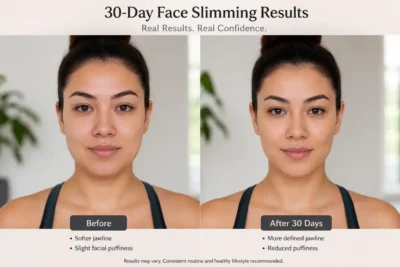
What Causes Face Fat and Bloating Anyway?
Before we jump into solutions, let’s talk about why your face holds onto fat and water in the first place. Understanding the “why” makes the “how” so much easier to stick with.
Genetics play a bigger role than you think. Some people naturally store more fat in their face, just like others store it in their hips or belly. It’s frustrating, but it’s biology.
Water retention is often the real culprit. That puffy, bloated look in the morning? That’s usually not fat—it’s excess water. High sodium intake, dehydration, alcohol, and poor sleep can all make your face look swollen.
Overall body fat percentage matters. You can’t spot-reduce fat from just your face (sorry, that’s a myth), but as you lower your overall body fat, your face will naturally slim down too.
Age and muscle tone affect facial definition. As we get older, we lose collagen and muscle tone, which can make the face look softer and less defined.
The bottom line? A combination of lifestyle changes, targeted exercises, and smart habits can help you achieve a slimmer, more sculpted face naturally.
Facial Lymphatic Drainage Techniques for Reducing Puffiness at Home
Why Lymphatic Drainage Is Your Secret Weapon
If you wake up with a puffy face, facial lymphatic drainage techniques for reducing puffiness at home might be exactly what you need. Think of your lymphatic system as your body’s drainage system—it removes waste, toxins, and excess fluid. When it’s sluggish, your face shows it.
The 5-Minute Morning Lymphatic Massage Routine
Step 1: Prep Your Skin
Start with clean hands and a clean face. Apply a lightweight facial oil or serum—this helps your fingers glide smoothly without tugging at your skin.
Step 2: Neck Drainage (30 seconds)
Using gentle pressure, stroke from behind your ears down the sides of your neck toward your collarbone. This opens up the main lymphatic pathways.
Step 3: Jawline Sweep (1 minute)
Place your index and middle fingers under your chin. Gently glide them along your jawline toward your ears. Repeat 10-15 times on each side. This targets that pesky jawline puffiness.
Step 4: Cheek Drainage (1 minute)
Start at the corners of your mouth and sweep upward and outward toward your temples. Use light pressure—you’re moving fluid, not deep tissue.
Step 5: Under-Eye Gentle Tapping (30 seconds)
Using your ring finger (it’s the gentlest), lightly tap from the inner corner of your eye outward. This helps reduce under-eye bags.
Step 6: Forehead Sweep (30 seconds)
Start between your eyebrows and sweep upward toward your hairline, then outward toward your temples.
Pro tip: Do this every morning for 5-7 days straight, and you’ll notice a visible difference in facial puffiness.

Tools That Actually Help (And Ones That Don't)
You don’t need fancy tools, but some can make the process easier:
✅ Worth it:
- Jade rollers or gua sha stones (they feel cooling and help with product application)
- Your own hands (seriously, they work great)
- A good facial oil
❌ Skip these:
- Expensive electronic “face slimming” devices (most are overpriced gimmicks)
- Aggressive suction tools (they can damage capillaries)
For more honest reviews on beauty tools that actually work, check out our detailed guides at kenutrendz.com/beauty-tools.
Natural Facial Muscle Toning Exercises for Jawline Definition
Face Yoga Isn’t a Myth—Here’s the Science
Remember when people laughed at face yoga? Well, a 2018 Northwestern University study found that participants who did daily facial exercises for 20 weeks saw measurably firmer skin and fuller cheeks. So yeah, natural facial muscle toning exercises for jawline definition actually work.
Your face has over 40 muscles. Just like your body, they need exercise to stay toned. When these muscles are weak, your face can look softer and less defined.
The 10-Minute Daily Jawline Sculpting Routine
Exercise 1: The Chin Lift (2 minutes)
- Tilt your head back and look at the ceiling
- Push your lower jaw forward to feel a stretch under your chin
- Hold for 5-10 seconds
- Repeat 10 times
What it does: Targets the platysma muscle and reduces the appearance of a double chin.
Exercise 2: The Jaw Release (2 minutes)
- Close your mouth and breathe in through your nose
- Exhale slowly through your mouth while making an “M” sound
- Feel the tension release in your jaw
- Repeat 15 times
What it does: Relieves jaw tension (hello, stress clenching) and tones the jawline.
Exercise 3: The Fish Face (2 minutes)
- Suck in your cheeks and lips to make a fish face
- Hold for 5 seconds
- While holding, try to smile
- Repeat 15-20 times
What it does: Works the cheek muscles and can help slim round cheeks over time.
Exercise 4: The Neck Stretch (2 minutes)
- Tilt your head back and look at the ceiling
- Stick your tongue out as far as you can toward your nose
- Hold for 5-10 seconds
- Repeat 10 times
What it does: Strengthens the muscles under the chin and improves neck definition.
Exercise 5: The Cheek Puff (2 minutes)
- Fill your mouth with air
- Move the air from one cheek to the other
- Continue for 30 seconds
- Rest and repeat 3 times
What it does: Tones cheek muscles and can help create more definition.

How Long Before You See Results?
Here’s the truth: consistency is everything. Most people start noticing subtle changes after 3-4 weeks of daily practice. Significant definition usually takes 8-12 weeks.
Think of it like going to the gym—you wouldn’t expect six-pack abs after one week, right? Same principle applies here.
Pro tip: Take a selfie on day one (in good lighting, no filters), then compare weekly. Changes are subtle day-to-day, but week-to-week? You’ll see it.
How to Reduce Water Retention in Face Naturally Overnight
Wake Up With a Slimmer Face—Yes, It’s Possible
If you’re looking for how to reduce water retention in face naturally overnight, you’re in the right place. Sometimes you don’t need weeks of work—you just need to fix what’s causing the bloat.
The Night-Before Protocol for a Less Puffy Morning
1. Watch Your Sodium Intake After 6 PM
Salt makes your body hold onto water. That late-night pizza or salty snack? It’s showing up on your face tomorrow morning.
What to do instead: Opt for potassium-rich foods in the evening (bananas, avocado, spinach). Potassium helps balance sodium levels.
2. Hydrate Smartly
It sounds backwards, but drinking more water reduces water retention. When you’re dehydrated, your body panics and holds onto every drop.
The strategy: Drink most of your water earlier in the day. Taper off 2 hours before bed so you’re not up all night using the bathroom.
3. Sleep on Your Back (With an Extra Pillow)
Sleeping face-down or on your side can cause fluid to pool in your face overnight.
The fix: Sleep on your back with your head slightly elevated. An extra pillow can help gravity drain fluid away from your face.
4. Avoid Alcohol Before Bed
Alcohol dehydrates you and causes inflammation. That “wine face” is real, folks.
If you do drink: Have one glass of water for every alcoholic beverage, and stop drinking at least 3 hours before bed.
5. Try a Cold Compress Before Sleep
Spend 2-3 minutes massaging your face with something cold (a chilled jade roller, cold spoons, or a cold washcloth).
Why it works: Cold constricts blood vessels and reduces inflammation and puffiness.

The Emergency Morning De-Puff Routine
Woke up looking like you’ve been crying? Try this:
- Splash with ice-cold water (30 seconds)
- Apply a cold compress or chilled eye masks (2-3 minutes)
- Do 2 minutes of lymphatic massage (see the technique above)
- Drink 16 oz of water with lemon (helps flush excess sodium)
- Move your body (even a 10-minute walk gets circulation going)
You’ll look noticeably less puffy within 15 minutes.
Beginner Face Yoga Routine for Slimming Cheeks at Home
Your Step-by-Step Guide to Fuller Cheeks Without Fillers
If you’re new to facial exercises, this beginner face yoga routine for slimming cheeks at home is designed specifically for you. No experience needed, no awkward poses—just simple, effective movements.
Week 1-2: Building the Foundation
Daily Time Commitment: 8-10 minutes
Morning Routine (5 minutes)
- Warm-Up: Facial Tapping (1 minute)
- Lightly tap all over your face with your fingertips
- This increases blood flow and wakes up facial muscles
- Cheek Lift (2 minutes)
- Smile as wide as you can without showing teeth
- Place your index fingers lightly on top of your cheeks
- Lift the muscles upward while resisting with your fingers
- Hold for 5 seconds, release, repeat 10 times
- Pout and Pull (2 minutes)
- Pout your lips and suck in your cheeks
- Place your index fingers at the corners of your mouth
- Gently pull corners upward while resisting with your facial muscles
- Hold for 5 seconds, repeat 10 times
Evening Routine (3-5 minutes)
- Jaw Relaxation (2 minutes)
- Open your mouth wide, then close gently
- Repeat 15 times to release tension
- Neck and Jaw Stretch (2 minutes)
- Tilt head back, look at ceiling
- Move lower jaw forward and back slowly
- Repeat 10 times
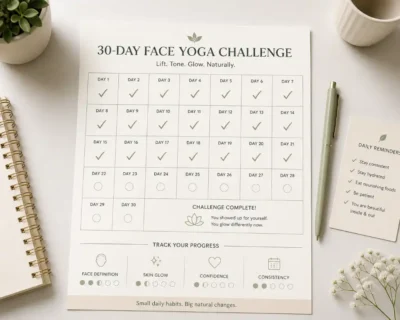
Week 3-4: Leveling Up
Once the foundation feels easy, add these:
- The Lion Face (1 minute)
- Open your mouth wide, stick out your tongue, look up
- Hold for 5 seconds, release
- Repeat 5 times (yes, you’ll look silly—do it anyway)
- Cheekbone Sculptor (2 minutes)
- Make an “O” shape with your mouth
- Smile while keeping the “O” shape
- Place fingers on cheekbones and lift gently
- Hold for 5 seconds, repeat 15 times
Common Beginner Mistakes to Avoid
❌ Using too much pressure – Your face isn’t your back. Gentle is better.
❌ Skipping days – Consistency beats intensity. 5 minutes daily is better than 30 minutes once a week.
❌ Expecting overnight results – Give it at least 4 weeks before judging.
❌ Holding your breath – Breathe normally during exercises. Oxygen helps muscle function.
❌ Neglecting the neck – Your face and neck work together. Don’t skip neck exercises.
The Diet Factor: What You Eat Shows on Your Face
Foods That Cause Facial Bloating (And What to Eat Instead)
You can do all the exercises in the world, but if your diet is working against you, you’ll struggle to see results. Here’s what to know.
The Big Four Face-Bloating Culprits
1. Excess Sodium
The problem: Salt makes your body retain water, leading to facial puffiness.
Hidden sources: Bread, processed meats, canned soups, restaurant meals, condiments.
The fix: Aim for less than 2,300 mg of sodium per day. Cook more at home, flavor with herbs instead of salt, and rinse canned foods.
2. Refined Carbs and Sugar
The problem: These cause inflammation and water retention.
Watch out for: White bread, pasta, pastries, sugary drinks, candy.
The fix: Swap for whole grains, and satisfy sweet cravings with fruit.
3. Alcohol
The problem: Dehydrates you, causes inflammation, and disrupts sleep—all of which show up on your face.
The fix: Limit to 1-2 drinks per week max if you’re serious about reducing facial puffiness.
4. Dairy (For Some People)
The problem: Dairy can cause inflammation and bloating in sensitive individuals.
The test: Cut dairy for 2 weeks and see if your face looks less puffy.
Face-Slimming Foods to Add to Your Plate
✅ Water-rich foods: Cucumber, watermelon, celery, zucchini (help flush excess sodium)
✅ Potassium-rich foods: Bananas, sweet potatoes, spinach, avocado (balance sodium levels)
✅ Antioxidant-rich foods: Berries, green tea, dark leafy greens (reduce inflammation)
✅ Lean protein: Chicken, fish, tofu, legumes (support muscle tone)
✅ Healthy fats: Nuts, seeds, olive oil (support skin elasticity)
Pro tip: For personalized nutrition advice and meal plans that support facial slimming, visit kenutrendz.com/nutrition-guides.
Lifestyle Changes That Make a Real Difference
Beyond Exercises: The Habits That Shape Your Face
Reducing face fat isn’t just about what you do for 10 minutes a day. It’s about your overall lifestyle. Here’s what actually moves the needle.
1. Prioritize Quality Sleep (7-9 Hours)
Why it matters: Poor sleep increases cortisol (the stress hormone), which can lead to weight gain and facial bloating.
The fix:
- Go to bed and wake up at the same time daily
- Keep your room cool (65-68°F is ideal)
- No screens 1 hour before bed
- Try a silk pillowcase (reduces facial friction and sleep lines)
2. Manage Stress Levels
Why it matters: Chronic stress = high cortisol = increased fat storage, including in the face.
What works:
- 10 minutes of daily meditation
- Deep breathing exercises
- Regular physical activity
- Time in nature
- Journaling
3. Stay Consistently Hydrated
The sweet spot: About half your body weight in ounces of water daily. (So if you weigh 150 lbs, aim for 75 oz.)
Signs you’re hydrated:
- Pale yellow urine
- Rarely feel thirsty
- Skin looks plump and healthy
4. Move Your Body Regularly
The truth: You can’t spot-reduce face fat, but overall fat loss will slim your face.
What works best:
- Cardio: 150 minutes of moderate activity per week (brisk walking, cycling, swimming)
- Strength training: 2-3 times per week (builds metabolism-boosting muscle)
- NEAT (Non-Exercise Activity Thermogenesis): Walk more, take stairs, fidget—these small movements add up
5. Quit Smoking
Why: Smoking breaks down collagen and elastin, leading to saggy, aged-looking skin that can make the face look fuller and less defined.
The good news: Your skin starts repairing itself within weeks of quitting.
Tracking Your Progress: What to Measure (And What Not to)
How to Know If It’s Working
One of the hardest parts of any transformation is staying motivated when you don’t see immediate results. Here’s how to track progress the right way.
Do This:
✅ Take weekly photos – Same time, same lighting, same angle. Daily changes are too subtle to notice.
✅ Measure how clothes fit – Overall fat loss will show up in your face.
✅ Note energy levels – Better sleep, less bloating, more energy are all signs you’re on the right track.
✅ Track consistency – Did you do your exercises 5+ days this week? That’s a win.
Don’t Do This:
❌ Weigh yourself daily – Weight fluctuates. It’s not a good measure of facial changes.
❌ Compare yourself to others – Genetics play a huge role. Your journey is yours alone.
❌ Expect perfection – Some days you’ll look more puffy than others. That’s normal.
❌ Obsess over the scale – Focus on how you feel, not just numbers.
Pro tip: For more tips on tracking your wellness journey effectively, check out kenutrendz.com/progress-tracking.
Common Myths About Face Fat (Debunked)
What NOT to Waste Your Time On
The internet is full of bad advice. Let’s clear up some common misconceptions.
Myth #1: “Chewing Gum Slims Your Face”
The truth: Chewing gum excessively can actually bulk up your jaw muscles (masseters), making your face look wider, not slimmer.
Myth #2: “You Can Spot-Reduce Face Fat”
The truth: Sorry, but you can’t tell your body to burn fat from just your face. Overall fat loss is the only way.
Myth #3: “Face Masks Melt Fat”
The truth: Those “slimming face masks” might temporarily reduce puffiness through compression, but they don’t burn fat.
Myth #4: “Drinking More Water Makes You Puffy”
The truth: The opposite is true. Dehydration causes water retention. Proper hydration reduces puffiness.
Myth #5: “You Need Expensive Devices”
The truth: Your hands, consistency, and healthy habits are more powerful than any $200 gadget.
When to See a Professional
Signs It Might Be More Than Just Face Fat
While most facial puffiness is normal and manageable with lifestyle changes, sometimes it’s worth getting checked out.
See a doctor if you experience:
- Sudden, unexplained facial swelling
- Swelling accompanied by pain, redness, or warmth
- Difficulty breathing or swallowing
- Swelling that doesn’t improve with lifestyle changes
- One side of your face is significantly more swollen than the other
These could indicate underlying health issues like thyroid problems, kidney issues, or allergic reactions that need medical attention.
Frequently Asked Questions: Your Top Questions Answered
1. How long does it realistically take to see results from facial exercises?
Most people notice subtle changes after 3-4 weeks of consistent daily practice. More significant definition typically appears after 8-12 weeks. The key is consistency—doing your exercises 5-7 days per week rather than sporadically. Remember, facial muscles are smaller than body muscles, so they respond differently. Take weekly progress photos in the same lighting to track changes you might not notice day-to-day.
2. Can losing overall body weight reduce face fat?
Absolutely. While you can’t spot-reduce fat from just your face, overall body fat loss will naturally slim your face. For most people, facial fat becomes more noticeable when body fat percentage is higher. As you lose weight through a combination of healthy eating and regular exercise, your face will naturally become more defined. However, the rate at which your face slims varies by genetics—some people lose face fat early in their weight loss journey, while others notice it later.
3. Why is my face still puffy even though I’m doing everything right?
Several factors could be at play. First, hormonal fluctuations (especially around your menstrual cycle) can cause temporary water retention. Second, you might have food sensitivities you’re unaware of—common culprits include dairy, gluten, or high-sodium foods. Third, poor sleep quality or sleeping position can cause morning puffiness that takes hours to resolve. Fourth, stress and high cortisol levels can lead to facial bloating. Finally, some people naturally have rounder facial structures due to bone structure and genetics, which no amount of exercise will completely change. Consider keeping a food and symptom journal to identify patterns, and give your routine at least 4-6 weeks before making judgments.
4. Are facial massage tools like jade rollers worth the investment?
Jade rollers and gua sha tools aren’t magic, but they can be helpful additions to your routine. The main benefits are: they help products absorb better, the cooling effect reduces temporary puffiness, and the massage action stimulates lymphatic drainage. However, your fingers work just as well if you’re on a budget. The tool itself isn’t as important as the technique and consistency. If you enjoy the ritual and it motivates you to stick with your routine, they’re worth it. Just don’t expect them to melt fat—they’re best for reducing temporary water retention and improving circulation.
5. Does age affect how much face fat you can lose naturally?
Yes, age plays a significant role. In your 20s and early 30s, your skin has more collagen and elastin, making it easier to achieve a toned, defined look. As you age (particularly after 35-40), natural collagen loss can lead to sagging, which might make the face appear fuller even if you’ve lost fat. The good news? Facial exercises can help maintain muscle tone at any age, and lifestyle factors like sun protection, not smoking, and good nutrition can slow collagen breakdown. Older adults may need to be more patient and combine exercises with skincare that supports collagen production (like retinol and vitamin C).
6. Can stress really make your face look fatter?
Absolutely, and here’s why: chronic stress elevates cortisol levels, which can lead to increased fat storage, particularly in the face and abdomen. Cortisol also causes water retention and inflammation, both of which contribute to facial puffiness. Additionally, stress often leads to poor sleep, emotional eating, and neglecting self-care routines—all of which can show up on your face. Managing stress through meditation, exercise, adequate sleep, and relaxation techniques isn’t just good for your mental health; it’s essential for facial definition too.
7. Is it normal for one side of your face to be more puffy than the other?
Mild asymmetry is completely normal—most people’s faces aren’t perfectly symmetrical. However, if you notice one side is consistently more puffy, it could be due to: sleeping predominantly on one side, chewing food mostly on one side, sinus issues affecting one side, or dental problems. Try to sleep on your back and be mindful of chewing evenly on both sides. If the asymmetry is sudden, severe, or accompanied by pain, see a healthcare provider to rule out underlying issues.
8. How much water should I drink daily to reduce facial bloating?
The general guideline is to drink about half your body weight in ounces of water daily. So if you weigh 150 pounds, aim for 75 ounces (about 9 cups). However, individual needs vary based on activity level, climate, and overall health. The key is consistency throughout the day rather than chugging large amounts at once. Drink a glass of water first thing in the morning, keep a water bottle with you, and sip regularly. If your urine is pale yellow, you’re likely well-hydrated. Remember, proper hydration actually reduces water retention by signaling to your body that it doesn’t need to hold onto excess fluid.
9. Can certain vitamins or supplements help reduce face fat?
While no supplement directly “burns” face fat, certain nutrients can support overall fat loss and reduce water retention: Potassium helps balance sodium levels and reduce bloating; Magnesium can help with water retention and sleep quality; Vitamin B6 supports fluid balance; Omega-3 fatty acids reduce inflammation; and Green tea extract may boost metabolism slightly. However, getting these nutrients from whole foods is always preferable to supplements. Focus on a diet rich in fruits, vegetables, lean proteins, and healthy fats before turning to supplements. Always consult a healthcare provider before starting any new supplement regimen.
10. Will cutting out carbs reduce facial puffiness?
Reducing refined carbohydrates (white bread, pasta, sugar, processed snacks) can definitely reduce facial puffiness, especially in the short term. Carbs cause your body to store glycogen, and for every gram of glycogen stored, your body holds onto about 3 grams of water. This is why low-carb diets often result in rapid initial weight loss—it’s mostly water weight. However, you don’t need to eliminate all carbs. Focus on reducing refined carbs and sugar while keeping complex carbs like whole grains, sweet potatoes, and legumes, which provide sustained energy and nutrients.
11. How does alcohol consumption affect facial appearance?
Alcohol is one of the biggest contributors to facial puffiness and bloating. It dehydrates your body, causing you to retain water as a compensatory mechanism. Alcohol also causes inflammation, disrupts sleep quality, and can lead to poor food choices. Even one night of drinking can leave your face puffy for 24-48 hours. Chronic alcohol consumption can lead to permanent facial changes, including broken capillaries, sagging skin, and a perpetually bloated appearance. If you’re serious about reducing facial puffiness, limiting alcohol to occasional moderate consumption (or eliminating it entirely) will make a noticeable difference.
12. Can allergies cause chronic facial swelling?
Yes, allergies are a common but often overlooked cause of facial puffiness. Seasonal allergies, food sensitivities, and environmental allergens can all cause inflammation and fluid retention in the face, particularly around the eyes and cheeks. Common allergens include pollen, dust mites, pet dander, dairy, gluten, and certain preservatives. If you suspect allergies are causing facial swelling, consider keeping a symptom diary, trying an elimination diet under medical supervision, or getting allergy testing. Antihistamines can provide temporary relief, but identifying and avoiding triggers is the long-term solution.
13. Is facial fat loss different for men and women?
Yes, there are some differences. Men typically have higher muscle mass and lower body fat percentages, which can make facial definition appear more quickly with weight loss. Women naturally carry more body fat due to hormonal differences, and fat distribution patterns vary—women often store more fat in the hips and thighs, while men tend to store more in the abdomen and face. Hormonal fluctuations during the menstrual cycle can also cause temporary facial bloating in women. However, the fundamental principles of reducing facial fat (overall weight loss, reducing sodium, staying hydrated, facial exercises) apply to both genders equally.
14. What’s the best time of day to do facial exercises?
Morning is ideal for most people because facial exercises can help reduce overnight puffiness and boost circulation, giving you a more awake, defined look throughout the day. However, the best time is whenever you can be consistent. Some people prefer evening routines as a way to unwind. You can even split your routine—do lymphatic drainage in the morning to reduce puffiness and muscle-toning exercises in the evening. The key is finding a time that fits your schedule and sticking with it daily.
15. Can you overdo facial exercises?
Yes, it’s possible to overdo it, though it’s relatively uncommon. Overworking facial muscles can lead to tension, headaches, or even temporary soreness. More importantly, excessive repetitive movements can potentially contribute to wrinkle formation over time. Stick to the recommended duration (10-15 minutes daily max) and use gentle pressure. If you experience pain, jaw clicking, or headaches, scale back and consider consulting a physical therapist who specializes in facial muscles. Remember, facial muscles are smaller and more delicate than body muscles—they need stimulation, not punishment.