
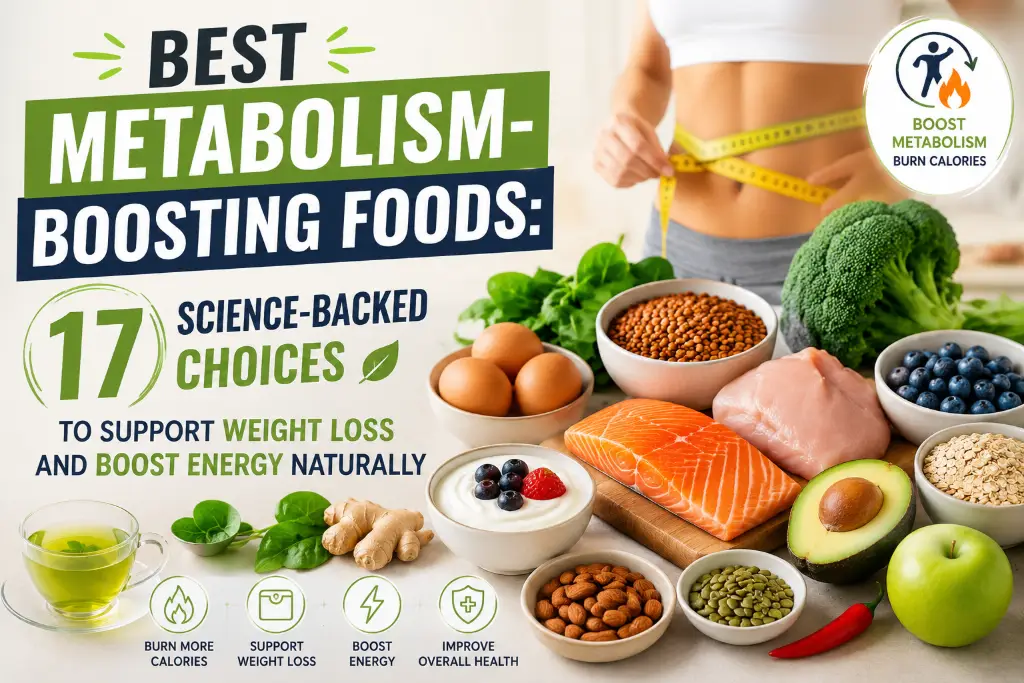
Best Metabolism-Boosting Foods: 17 Science-Backed Choices to Support Weight Loss and Boost Energy Naturally
Evidence-based nutrition strategies to optimize your metabolic health, increase calorie burn, and achieve sustainable weight management
Best metabolism-boosting foods aren't just a trend—they're a scientifically-supported approach to enhancing your body's natural calorie-burning processes. If you've been struggling with unexplained weight gain, persistent fatigue, or a metabolism that seems to have slowed down despite your best efforts, you're not alone.
Metabolism encompasses all the chemical processes that keep your body functioning, from converting food into energy to repairing cells and eliminating waste. When these processes run efficiently, you experience better energy levels, easier weight management, and improved overall health. However, numerous factors—including age, genetics, hormonal balance, and dietary choices—can influence how effectively your metabolism operates.
This comprehensive guide explores 17 evidence-based foods that naturally support metabolic function, along with practical strategies to optimize your results. Whether you're looking to lose weight, increase energy, or simply maintain a healthy body composition, understanding which foods support metabolic health is essential for long-term success.
1. Best Metabolism-Boosting Foods for Fast Weight Loss
Understanding how metabolism works is the first step toward optimizing it. Your metabolic rate—the speed at which your body burns calories—is influenced by several factors including your basal metabolic rate (BMR), the thermic effect of food (TEF), and physical activity levels.
Thermic Effect
Certain foods require more energy to digest, naturally increasing calorie burn by 15-30% compared to fats (0-3%).
Nutrient Density
Foods rich in protein, fiber, and micronutrients support metabolic enzymes and hormone production.
Satiety Factor
High-protein and high-fiber foods keep you full longer, reducing overall calorie intake naturally.
Top Metabolism-Supporting Foods
Eggs, lean meats, fish, and legumes increase thermogenesis and preserve muscle mass during weight loss.
Chili peppers and cayenne contain compounds that temporarily boost metabolic rate by up to 8%.
Catechins and caffeine work synergistically to enhance fat oxidation and energy expenditure.
Nuts, seeds, and avocados support hormone production and provide sustained energy.
Common Reasons Weight Loss Stalls:
- Adaptive thermogenesis (metabolic adaptation to calorie restriction)
- Muscle loss from inadequate protein intake
- Hormonal imbalances (thyroid, insulin, cortisol)
- Chronic stress and poor sleep quality
- Nutrient deficiencies affecting metabolic enzymes
- Sedentary lifestyle reducing daily energy expenditure
For those who have implemented dietary changes and exercise routines but still struggle with metabolic efficiency, additional support strategies may be beneficial. Some individuals find value in structured programs that combine nutritional guidance with targeted movement patterns designed to optimize metabolic function. These approaches typically focus on enhancing cellular energy production, improving insulin sensitivity, and supporting thyroid function through lifestyle modifications.
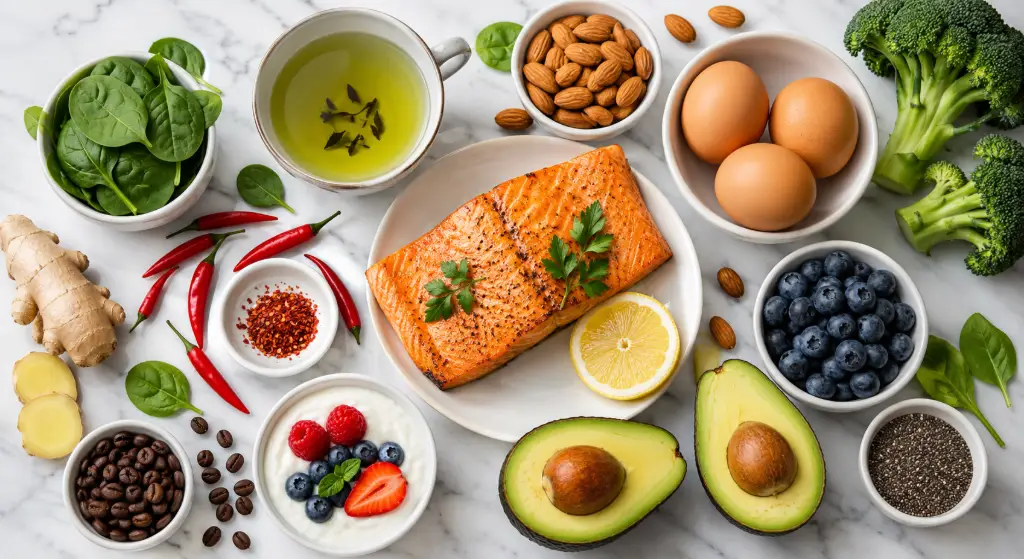
2. Why Healthy People Still Have a Slow Metabolism
It's frustrating when you eat well, exercise regularly, yet still experience symptoms of a sluggish metabolism. This phenomenon is more common than you might think and can stem from various underlying factors that aren't immediately obvious.
Signs Your Metabolism May Be Slower Than Optimal
Persistent Fatigue
Constant tiredness despite adequate sleep, difficulty getting through the day without caffeine crashes.
Unexplained Weight Gain
Gradual weight increase despite no significant changes in diet or activity levels.
Temperature Sensitivity
Feeling cold frequently, especially in hands and feet, indicating reduced thermogenesis.
Brain Fog
Difficulty concentrating, memory issues, and mental sluggishness throughout the day.
Hidden Factors Affecting Metabolic Rate
1. Age-Related Changes: After age 30, metabolic rate naturally declines by approximately 2-3% per decade due to muscle mass loss and hormonal shifts. This doesn't mean weight gain is inevitable, but it does require strategic adjustments to nutrition and activity.
2. Chronic Dieting: Repeated cycles of severe calorie restriction can trigger adaptive thermogenesis, where your body becomes more efficient at conserving energy. This survival mechanism, while evolutionarily advantageous, can make weight loss increasingly difficult over time.
3. Sleep Deprivation: Consistently getting less than 7 hours of quality sleep disrupts hunger hormones (ghrelin and leptin), increases cortisol, and reduces insulin sensitivity—all of which negatively impact metabolic function.
4. Sedentary Behavior: Even if you exercise regularly, prolonged sitting throughout the day significantly reduces non-exercise activity thermogenesis (NEAT), which can account for up to 50% of daily calorie expenditure.
5. Nutrient Deficiencies: Inadequate intake of iron, B vitamins, magnesium, and iodine can impair thyroid function and cellular energy production, slowing metabolic processes.
Lifestyle Modifications for Metabolic Support
- Prioritize 7-9 hours of quality sleep with consistent bed/wake times
- Incorporate strength training 2-3 times weekly to preserve muscle mass
- Practice stress-reduction techniques (meditation, yoga, deep breathing)
- Stay adequately hydrated (aim for 30-35ml per kg of body weight)
- Include protein at every meal (20-30g per serving)
- Break up prolonged sitting with movement every 30-60 minutes
While dietary adjustments and lifestyle changes form the foundation of metabolic health, some individuals benefit from additional structured support. Programs that combine specific nutritional protocols with targeted movement patterns—sometimes referred to as metabolic stretching or similar approaches—may provide complementary benefits for those who've optimized their diet and exercise but still face metabolic challenges. These methods typically emphasize improving cellular function, enhancing circulation, and supporting the body's natural energy production systems through strategic combinations of nutrition and movement.
3. 15 Foods That Support Metabolism After 40
Metabolic changes after 40 are real, but they're not insurmountable. Hormonal shifts, particularly declining estrogen in women and testosterone in men, combined with natural muscle loss (sarcopenia), can slow metabolic rate. However, strategic nutrition can significantly mitigate these effects.
Essential Foods for Metabolic Health After 40
Salmon, mackerel, and sardines provide omega-3s that reduce inflammation, support thyroid function, and may increase resting metabolic rate by up to 5%.
High in protein and probiotics, supporting gut health which is crucial for nutrient absorption and metabolic regulation.
Blueberries, strawberries, and raspberries contain polyphenols that may enhance fat metabolism and improve insulin sensitivity.
Broccoli, cauliflower, and Brussels sprouts support estrogen metabolism and provide fiber for digestive health.
Almonds, walnuts, and chia seeds provide healthy fats, protein, and minerals essential for hormone production.
Complex carbohydrates with fiber that stabilize blood sugar and provide sustained energy without insulin spikes.
Additional Nutrition Strategies for Midlife
Timing Matters: Distributing protein evenly throughout the day (rather than consuming most at dinner) optimizes muscle protein synthesis, which is particularly important as we age. Aim for 25-30g of protein per meal.
Hydration Priority: Metabolic processes require adequate water. After 40, thirst sensation diminishes, making conscious hydration essential. Aim for at least 2-3 liters daily, more if physically active.
Micronutrient Density: Focus on foods rich in:
- Magnesium: Leafy greens, nuts, seeds, dark chocolate (supports 300+ enzymatic reactions)
- Vitamin D: Fatty fish, fortified foods, sunlight exposure (crucial for hormone regulation)
- B Vitamins: Whole grains, legumes, eggs (essential for energy metabolism)
- Zinc: Oysters, beef, pumpkin seeds (supports thyroid and immune function)
For individuals over 40 who maintain healthy eating habits and regular exercise but still struggle with metabolic efficiency, comprehensive programs that address multiple aspects of metabolic health may offer additional benefits. These approaches often combine specific nutritional protocols with movement strategies designed to enhance cellular energy production, improve hormonal balance, and support the body's natural metabolic processes. Such programs can be particularly valuable during this life stage when hormonal changes require more nuanced support strategies.

4. Metabolism-Boosting Foods vs Supplements: What Actually Works?
The supplement industry promotes countless products claiming to "boost metabolism" or "melt fat," but what does the science actually say? Understanding the evidence behind both food-based and supplement approaches helps you make informed decisions about your health strategy.
Foods with Strong Evidence
High-Protein Foods
Evidence: Multiple studies confirm protein increases thermogenesis by 15-30% vs 5-10% for carbs and 0-3% for fats. Also preserves muscle during weight loss.
Capsaicin (Chili Peppers)
Evidence: Meta-analyses show capsaicin can increase energy expenditure by approximately 50 calories daily and reduce appetite.
Green Tea Catechins
Evidence: Research indicates EGCG combined with caffeine can increase fat oxidation by 17% during moderate exercise.
Coffee/Caffeine
Evidence: Caffeine can boost metabolic rate by 3-11%, with larger effects in lean individuals vs those with obesity.
Limitations of Food-Only Approaches
While whole foods provide comprehensive nutrition and proven metabolic benefits, they have limitations:
- Individual variability: Genetic differences affect how people respond to specific foods
- Practical constraints: Time, budget, and access to quality foods vary significantly
- Therapeutic doses: Some beneficial compounds (like certain polyphenols) would require impractical food quantities
- Digestive issues: Some individuals have sensitivities limiting food choices
- Metabolic adaptation: The body may adjust to consistent dietary patterns over time
What to Look for in Supplements
If considering supplements to support metabolic health, prioritize products with:
NSF Certified for Sport, USP Verified, or ConsumerLab approval ensures purity and accurate labeling.
Avoid proprietary blends that hide individual ingredient amounts. Effective doses should be clearly stated.
Look for compounds with human clinical trials, not just animal or in-vitro studies.
Excessive caffeine or stimulants can cause crashes, anxiety, and adrenal stress.
Beyond Simple Supplements: Comprehensive Approaches
Some individuals benefit from more comprehensive programs that go beyond isolated supplements. These approaches typically combine:
- Specific nutritional protocols targeting metabolic pathways
- Strategic movement patterns designed to enhance cellular function
- Lifestyle modifications addressing sleep, stress, and circadian rhythms
- Educational components for long-term sustainability
For example, programs focusing on what's sometimes called "metabolic stretching" or similar concepts integrate nutritional support with targeted physical activities designed to optimize the body's energy production systems. These comprehensive approaches may appeal to individuals who've tried basic dietary changes and standard supplements but seek more structured, multi-faceted support for their metabolic health goals.
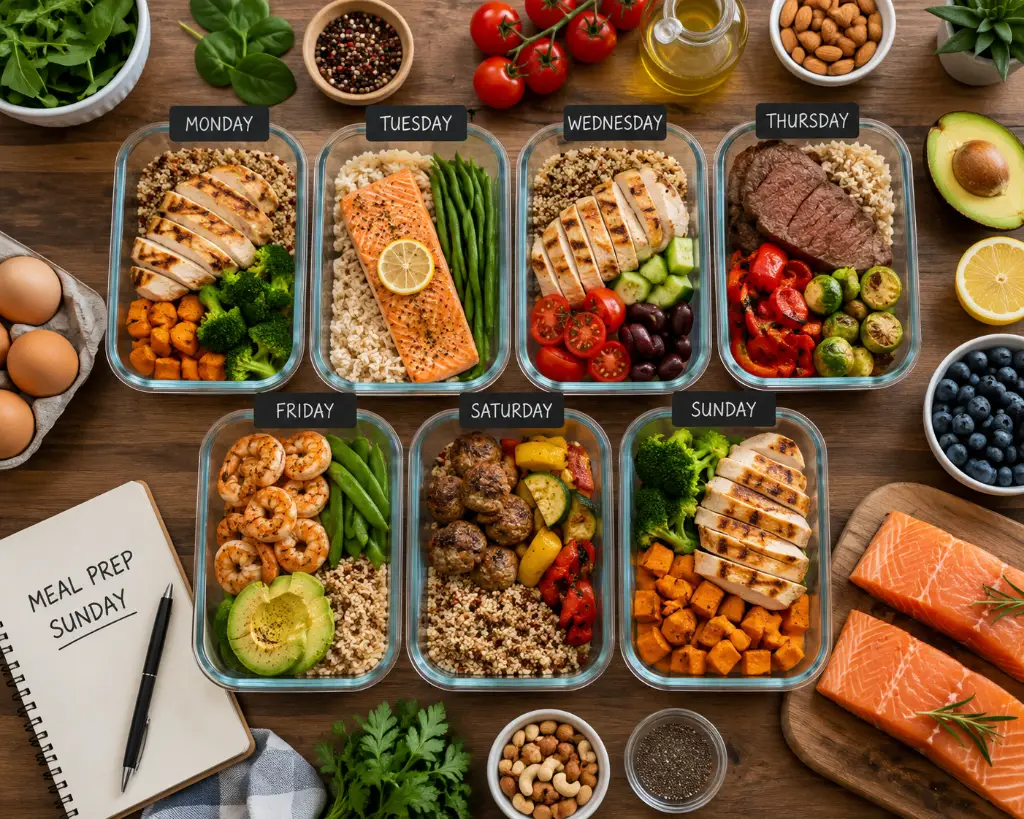
5. 7-Day Metabolism-Boosting Meal Plan
This evidence-based meal plan emphasizes protein distribution, fiber-rich carbohydrates, healthy fats, and metabolism-supporting nutrients. Adjust portion sizes based on your individual energy needs, activity level, and goals.
Daily Framework
Breakfast
25-30g protein, complex carbs, healthy fats. Within 1 hour of waking.
Lunch
Lean protein, colorful vegetables, moderate complex carbs.
Dinner
Protein-rich, fiber-filled vegetables, lighter on carbs if sedentary evening.
Snacks
1-2 snacks as needed, protein or fiber-focused to stabilize blood sugar.
7-Day Menu
B: Greek yogurt parfait with berries, chia seeds, almonds
L: Grilled chicken salad with mixed greens, avocado, quinoa
D: Baked salmon, roasted Brussels sprouts, sweet potato
B: Veggie omelet (3 eggs) with spinach, mushrooms, feta
L: Lentil soup, side salad with olive oil dressing
D: Turkey chili with beans, topped with Greek yogurt
B: Protein smoothie (protein powder, spinach, banana, almond butter)
L: Tuna salad lettuce wraps, carrot sticks, hummus
D: Grass-fed beef stir-fry with broccoli, bell peppers, brown rice
B: Overnight oats with protein powder, walnuts, blueberries
L: Grilled shrimp, cauliflower rice, sautéed kale
D: Baked chicken thighs, roasted root vegetables, side salad
B: Cottage cheese with pineapple, pumpkin seeds
L: Black bean burger (no bun), sweet potato fries, coleslaw
D: Cod with lemon, asparagus, quinoa pilaf
B: Scrambled eggs with smoked salmon, avocado
L: Chicken Caesar salad (light dressing, extra protein)
D: Pork tenderloin, roasted butternut squash, green beans
B: Protein pancakes (oats, eggs, protein powder), berries
L: Leftover pork tenderloin salad bowl
D: Baked chicken breast, Mediterranean vegetables, tabbouleh
Grocery List Essentials
- Proteins: Eggs, Greek yogurt, chicken breast, salmon, ground turkey, cod, pork tenderloin, cottage cheese, protein powder
- Vegetables: Spinach, kale, broccoli, Brussels sprouts, asparagus, bell peppers, cauliflower, carrots, mixed greens
- Fruits: Berries, bananas, apples, pineapple, avocado
- Grains/Starches: Quinoa, brown rice, sweet potatoes, oats, whole grain bread
- Legumes: Lentils, black beans, chickpeas
- Healthy Fats: Olive oil, almonds, walnuts, chia seeds, pumpkin seeds, nut butters
- Flavor Boosters: Green tea, coffee, chili flakes, garlic, ginger, turmeric, herbs
Common Challenges & Solutions
Solution: Batch cook proteins and grains on Sunday. Use pre-cut vegetables, rotisserie chicken, and frozen vegetables. Keep hard-boiled eggs and Greek yogurt for quick options.
Solution: Increase protein and fiber at each meal. Add healthy fats for satiety. Ensure adequate hydration (thirst mimics hunger).
Solution: Buy frozen fish, eggs, canned tuna, dried beans, and bulk chicken thighs. Protein powder can be cost-effective per serving.
While this meal plan provides comprehensive nutritional support for metabolic health, some individuals find that combining structured nutrition with targeted movement protocols enhances results. Programs that integrate specific dietary approaches with exercises designed to optimize metabolic function—sometimes incorporating concepts like metabolic stretching—may offer additional benefits for those seeking comprehensive support. These approaches recognize that nutrition and movement work synergistically to influence metabolic rate, energy production, and overall body composition.
6. Foods That May Help Reduce Cravings and Support Metabolism
Cravings sabotage even the best-laid metabolic optimization plans. Understanding the nutritional strategies that naturally reduce cravings while supporting metabolic function creates a sustainable approach to healthy eating.
Protein-Rich Foods for Satiety
Protein is the most satiating macronutrient, reducing ghrelin (hunger hormone) while increasing peptide YY and GLP-1 (satiety hormones).
Eggs
Studies show egg breakfast reduces calorie intake by 330 calories over the next 36 hours compared to bagel breakfast.
Fish
Higher protein content than meat, plus omega-3s may enhance leptin sensitivity.
Greek Yogurt
Casein protein digests slowly, providing sustained amino acid release and prolonged fullness.
Legumes
Combination of protein and fiber creates powerful satiety effect; also feeds beneficial gut bacteria.
Fiber-Rich Foods for Blood Sugar Stability
Stable blood sugar prevents the crashes that trigger cravings. Soluble fiber forms a gel in the digestive tract, slowing nutrient absorption.
- Oats and barley: Beta-glucan fiber reduces post-meal blood sugar spikes
- Apples and pears: Pectin content promotes fullness and feeds beneficial gut bacteria
- Broccoli and Brussels sprouts: High fiber with low calorie density
- Chia and flax seeds: Absorb 10-12x their weight in water, expanding in stomach
- Avocado: Fiber plus healthy fats create powerful satiety combination
Hydration's Role in Appetite Control
Thirst is frequently misinterpreted as hunger. Proper hydration supports metabolic processes and reduces false hunger signals.
Foods That Naturally Curb Sweet Cravings
Stearic acid slows digestion; intense flavor satisfies with smaller portions. Contains compounds that may reduce desire for sweet, salty, and fatty foods.
Natural sweetness with fiber prevents blood sugar spikes. Anthocyanins may improve insulin sensitivity.
Combination of protein, fiber, and fat stabilizes blood sugar. Almonds shown to reduce hunger and overall calorie intake.
1-2 tablespoons before meals may reduce blood sugar response and increase satiety.
The Gut-Brain Connection
Your gut microbiome influences cravings through the gut-brain axis. Certain bacteria thrive on sugar and can actually trigger cravings for their preferred foods.
Support a healthy microbiome with:
- Fermented foods (kimchi, sauerkraut, kefir, kombucha)
- Prebiotic fibers (garlic, onions, asparagus, Jerusalem artichokes)
- Polyphenol-rich foods (berries, green tea, dark chocolate, olive oil)
- Diverse plant foods (aim for 30+ different plants weekly)
Integrating these appetite-controlling foods into a comprehensive metabolic support strategy can be particularly effective. Some individuals find that combining nutritional approaches with structured programs—including those that incorporate specific movement patterns designed to enhance metabolic function—provides more complete support for managing cravings and optimizing metabolism. These multi-faceted approaches address both the physiological and behavioral aspects of eating patterns, creating sustainable long-term results.
7. Morning Habits That Support a Healthy Metabolism
How you start your day sets the metabolic tone for the next 12-16 hours. Strategic morning habits can enhance energy expenditure, improve insulin sensitivity, and establish patterns that support your metabolic goals.
The Power of a Protein-Packed Breakfast
Consuming 25-30g of protein within 1-2 hours of waking:
- Reduces ghrelin (hunger hormone) throughout the day
- Increases thermogenesis (calorie burn from digestion)
- Stabilizes blood sugar, preventing mid-morning crashes
- Preserves muscle mass during weight loss
- Reduces evening cravings and late-night snacking
Strategic Hydration Protocol
Upon Waking
500ml water with lemon to rehydrate after 7-9 hours without fluids, support liver detoxification pathways.
Before Breakfast
Green tea or black coffee (if tolerated) to enhance fat oxidation and provide gentle caffeine boost.
Throughout Morning
Continue sipping water; aim for 1 liter by noon to maintain optimal metabolic function.
Movement Within the First Hour
Physical activity in the morning offers unique metabolic advantages:
Low-intensity steady state (LISS) like walking may increase fat oxidation, though total daily calorie burn matters more than timing.
Morning resistance training elevates metabolism for 24-48 hours through excess post-exercise oxygen consumption (EPOC).
Even 10 minutes of movement—yoga, stretching, bodyweight exercises—activates metabolism and improves insulin sensitivity.
Take stairs, walk during calls, park farther away. Non-exercise activity thermogenesis significantly impacts daily calorie burn.
Light Exposure and Circadian Rhythm
Getting natural light within 30-60 minutes of waking:
- Resets circadian clock, optimizing hormone production
- Improves sleep quality (which affects next-day metabolism)
- Enhances mood and energy through serotonin production
- Regulates cortisol rhythm (chronic elevation slows metabolism)
Mindfulness and Stress Management
Chronic stress elevates cortisol, which can:
- Increase abdominal fat storage
- Promote muscle breakdown
- Trigger cravings for high-calorie foods
- Disrupt sleep and further impair metabolism
Morning stress-reduction practices:
- 5-10 minutes of meditation or deep breathing
- Gratitude journaling
- Gentle yoga or stretching
- Avoiding phone/email for first 30-60 minutes
Creating Your Optimal Morning Routine
You don't need to implement everything at once. Start with 1-2 habits and build gradually:
• Wake up, drink 500ml water with lemon (5 min)
• Get natural light exposure (10 min)
• Movement: walk, yoga, or workout (20-30 min)
• Shower and get ready (15 min)
• High-protein breakfast with green tea or coffee (15 min)
For those seeking to enhance their morning metabolic routine, some comprehensive programs integrate specific nutritional protocols with targeted movement strategies. Approaches that combine what's sometimes termed metabolic stretching with optimized nutrition timing may provide additional benefits for individuals looking to maximize their morning metabolic activation. These programs recognize that the synergy between strategic nutrition, movement patterns, and lifestyle habits creates more powerful metabolic effects than any single intervention alone.

8. Metabolism Myths That Could Be Hurting Your Weight-Loss Progress
Misinformation about metabolism abounds, leading to frustration, wasted money, and ineffective strategies. Let's separate fact from fiction with evidence-based clarity.
Myth 1: "Eating Small Meals Throughout the Day Boosts Metabolism"
Evidence: A meta-analysis in the British Journal of Nutrition found no significant difference in metabolic rate or weight loss between high-frequency (6+ meals) and low-frequency (3 meals) eating patterns when calories and protein were matched.
Myth 2: "Certain Foods Melt Fat Overnight"
Myth 3: "Cardio Is the Best Way to Boost Metabolism"
Reality: Each pound of muscle burns approximately 6-10 calories daily at rest. While this seems small, gaining 10 pounds of muscle increases daily expenditure by 60-100 calories—without any additional effort.
Myth 4: "You Can't Build Muscle After 40/50/60"
Myth 5: "Detox Teas and Cleanses Boost Metabolism"
Myth 6: "Eating After 8 PM Makes You Gain Weight"
Myth 7: "Supplements Can Replace Diet and Exercise"
Setting Realistic Expectations
Healthy, sustainable metabolic optimization looks like:
- Weight loss of 0.5-2 pounds per week (varies by individual)
- Gradual improvements in energy levels over weeks to months
- Better sleep quality and stress management
- Improved strength and fitness markers
- Consistent habits rather than perfection
- Non-scale victories (clothes fitting better, more energy, improved lab values)
For individuals who understand these principles and have implemented foundational lifestyle changes but still seek additional support, comprehensive programs that integrate multiple approaches may be worth exploring. These programs—sometimes incorporating concepts like metabolic stretching alongside nutritional guidance—recognize that optimizing metabolism often requires addressing multiple interconnected factors simultaneously. Such approaches may be particularly valuable for those who've addressed diet and exercise basics but need more structured, multi-faceted support to achieve their metabolic health goals.
Considering Additional Support for Your Metabolic Goals?
Throughout this article, we've explored evidence-based foods, lifestyle strategies, and practical approaches to support metabolic health. For many people, implementing these foundational practices produces excellent results. However, some individuals find that despite optimizing nutrition, exercise, sleep, and stress management, they still face metabolic challenges.
If you've tried the strategies outlined in this guide and are looking for additional support, you might be interested in learning about comprehensive programs that combine nutritional protocols with targeted movement patterns. One such approach is Metabolic Stretching, which integrates specific stretching techniques designed to enhance metabolic function with nutritional guidance.
Explore Metabolic Stretching
This program combines targeted movement patterns with nutritional strategies to support metabolic optimization. It's designed for individuals who understand the importance of diet and exercise but seek a more integrated approach to enhancing their body's natural energy production systems.
Potential Benefits:
- Structured approach combining movement and nutrition
- Focus on cellular energy production and circulation
- Educational components for long-term sustainability
- Complementary to the dietary strategies discussed in this article
Important Considerations:
- Results vary based on individual factors (age, genetics, adherence)
- Should complement, not replace, foundational healthy habits
- Requires consistent effort and lifestyle integration
- Not a substitute for medical advice or treatment
This program may be worth exploring if you've implemented the nutritional strategies in this article and are seeking additional structured support for your metabolic health goals.
Conclusion: Your Path to Metabolic Optimization
Optimizing your metabolism isn't about finding a single magic food or quick fix. It's about understanding the complex interplay between nutrition, movement, sleep, stress, and lifestyle factors—and making sustainable choices that support your body's natural processes.
The 17 metabolism-boosting foods we've explored—from protein-rich eggs and fatty fish to fiber-packed vegetables and metabolism-supporting spices—provide a strong nutritional foundation. When combined with adequate hydration, regular physical activity (especially strength training), quality sleep, and stress management, these foods can help you:
- Support healthy energy expenditure throughout the day
- Maintain or build metabolically active muscle mass
- Stabilize blood sugar and reduce cravings
- Optimize hormone production and function
- Improve overall energy levels and well-being
Remember that metabolic health is a journey, not a destination. Be patient with yourself, celebrate non-scale victories like improved energy and better sleep, and focus on building habits you can maintain long-term rather than pursuing perfection.
Whether you choose to focus solely on the nutritional and lifestyle strategies outlined here, or decide to explore additional support programs like Metabolic Stretching, the most important factor is taking informed, consistent action toward your health goals. Your metabolism is remarkably adaptable—give it the nourishment, movement, and care it needs, and it will support you in return.
Here's to your metabolic health and vibrant energy!
Medical Disclaimer: We may receive compensation when you make a purchase through affiliate links on this page, at no additional cost to you. We only recommend products we've thoroughly researched and believe provide genuine value. The information provided in this article is for educational purposes only and is not intended as medical advice. Always consult with a qualified healthcare provider before making changes to your diet, exercise routine, or supplement regimen, especially if you have underlying health conditions, are pregnant or nursing, or are taking medications. Individual results may vary. No content on this site should be considered a guarantee of specific outcomes.
Evidence-Based Commitment: All nutritional and health information in this article is based on current scientific research and evidence-based practices. We cite peer-reviewed studies and established nutritional science to ensure accuracy and reliability.