
How to Reduce Body Fat Naturally: Simple Steps That Actually Work
Evidence-based strategies for sustainable fat loss without extreme diets, questionable supplements, or unrealistic workout routines
How to reduce body fat naturally is one of the most searched health topics today, and for good reason. In a world filled with quick-fix solutions, extreme diet plans, and expensive supplements, many people are searching for sustainable, science-backed methods to lose excess body fat without compromising their health or well-being.
The truth is, reducing body fat doesn't require drastic measures or unsustainable restrictions. It requires understanding how your body works, making consistent lifestyle changes, and adopting habits that you can maintain long-term. This comprehensive guide will walk you through evidence-based strategies that actually work, helping you achieve your body composition goals in a healthy, sustainable way.

Why Am I Not Losing Body Fat?
If you've been exercising regularly and eating "healthy" but still not seeing the results you want, you're not alone. Many people face this frustrating plateau. Understanding the common obstacles can help you identify what might be holding you back.
Hidden Calories
Healthy foods still contain calories. Nuts, avocados, olive oil, and whole grains are nutritious but calorie-dense. Portion sizes matter even with clean eating.
Liquid Calories
Juices, smoothies, specialty coffees, and even some protein shakes can pack hundreds of calories without providing the same satiety as solid food.
Poor Sleep Quality
Sleep deprivation disrupts hunger hormones (ghrelin and leptin), increases cravings, reduces willpower, and slows metabolism.
Inconsistent Effort
Being perfect Monday through Friday but overindulging on weekends can completely negate your weekly calorie deficit.
Unrealistic Expectations
Expecting rapid results leads to frustration. Sustainable fat loss typically occurs at 0.5-2 pounds per week.
Too Much Cardio
Excessive cardio without strength training can lead to muscle loss, which actually slows your metabolism over time.
Another often-overlooked factor is stress. Chronic stress elevates cortisol levels, which can promote fat storage—particularly around the abdomen—and increase cravings for high-calorie comfort foods. This creates a vicious cycle that makes fat loss more challenging.
What Does It Really Mean to Reduce Body Fat?
Before diving into strategies, it's crucial to understand the difference between weight loss and fat loss. These terms are often used interchangeably, but they represent fundamentally different processes in your body.
Weight loss refers to any decrease in overall body weight, which can include fat, muscle, water, or glycogen stores. When you step on a scale and see a lower number, it doesn't necessarily mean you've lost fat. You might have lost water weight, muscle mass, or simply emptied your digestive system.
Fat loss, on the other hand, specifically refers to reducing adipose tissue—the stored fat in your body. This is what most people actually want to achieve when they talk about "losing weight." The goal is to preserve or even build lean muscle mass while reducing excess body fat.
Key Insight:
Your body weight can fluctuate by 2-5 pounds daily due to water retention, sodium intake, carbohydrate consumption, hormonal changes, and digestive contents. This is why focusing solely on the scale can be misleading and frustrating.
When you're trying to reduce body fat naturally, you're working toward improving your body composition—the ratio of fat mass to lean mass (muscle, bone, organs, water). This is a more meaningful metric than scale weight alone and leads to better health outcomes, improved metabolism, and a more toned appearance.
The Simple Fat-Loss Formula
Creating sustainable fat loss doesn't require complex calculations or confusing rules. At its core, effective fat loss comes down to a simple formula that combines several key elements:
This framework works because it addresses all the major factors that influence body composition. Let's explore each component in detail.
What Should I Eat to Reduce Body Fat Naturally?
Creating a sustainable eating plan is about more than just cutting calories. It's about choosing nutrient-dense foods that support your health while helping you maintain a moderate calorie deficit.
Best Foods for Reducing Body Fat
Protein-Rich Foods
Lean meats, fish, eggs, Greek yogurt, cottage cheese, legumes, tofu
Vegetables
Leafy greens, broccoli, cauliflower, peppers, zucchini, Brussels sprouts
Fruits
Berries, apples, pears, citrus fruits (in moderation)
Whole Grains
Oats, quinoa, brown rice, whole wheat, barley
Legumes
Beans, lentils, chickpeas, peas
Healthy Fats
Avocados, nuts, seeds, olive oil (portion-controlled)
Building a Simple Plate
Rather than obsessively counting every calorie, use this visual guide to build balanced meals:
- Half your plate: Non-starchy vegetables (broccoli, spinach, peppers, etc.)
- Quarter of your plate: Lean protein (chicken, fish, tofu, beans)
- Quarter of your plate: Complex carbohydrates (whole grains, sweet potato, quinoa)
- Add: A small portion of healthy fat (1-2 teaspoons olive oil, 1/4 avocado, or small handful of nuts)
This approach ensures you're getting adequate protein for muscle preservation, fiber for satiety, and nutrients for overall health—all while naturally controlling portions.
How to Reduce Belly Fat Naturally
Belly fat—specifically visceral fat that surrounds your organs—is more than just a cosmetic concern. It's metabolically active tissue that releases inflammatory compounds and hormones, increasing your risk for type 2 diabetes, heart disease, and other health conditions.
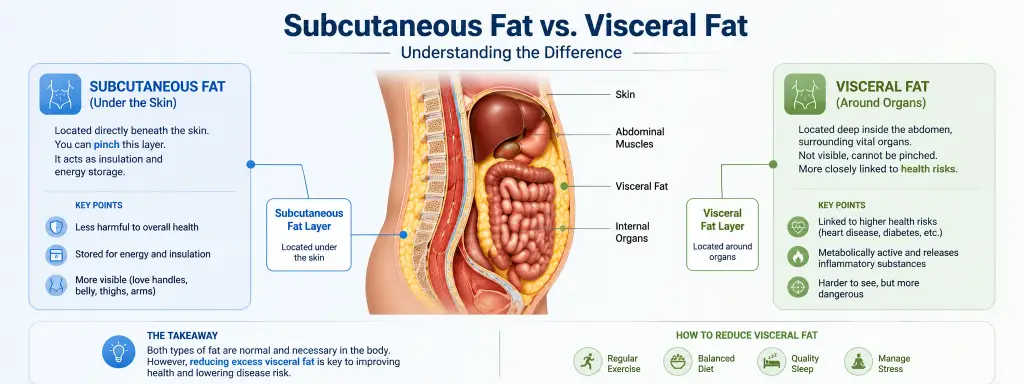
Unfortunately, spot reduction is a myth. You can't target fat loss from specific areas through exercise or diet. However, as you reduce overall body fat using the strategies outlined above, you will eventually lose abdominal fat.
That said, certain factors can make belly fat more stubborn:
- High stress and cortisol: Cortisol specifically promotes abdominal fat storage
- Poor sleep: Disrupts hormones that regulate fat distribution
- Excess alcohol: Often leads to visceral fat accumulation
- Refined carbohydrates and sugar: Spike insulin, promoting fat storage
- Sedentary lifestyle: Lack of movement slows metabolism
To specifically address belly fat:
- Prioritize stress management and sleep quality
- Limit alcohol consumption
- Reduce refined carbs and added sugars
- Increase soluble fiber intake (oats, legumes, flaxseeds, vegetables)
- Incorporate both cardio and strength training
- Consider intermittent fasting if it suits your lifestyle (though it's not necessary)
Remember, genetics play a role in where your body stores and loses fat first. Some people lose belly fat early in their journey, while for others it's the last to go. Stay patient and trust the process.
How to Reduce Body Fat Without Going to the Gym
Absolutely. While gyms offer convenient access to equipment and classes, they're not required for effective fat loss. What matters is creating a calorie deficit through diet and increasing your overall activity level—both of which can be achieved without a gym membership.
Walking
One of the most underrated fat-loss tools. Aim for brisk 30-60 minute walks daily. Add intervals or hills to increase intensity.
Bodyweight Exercises
Push-ups, squats, lunges, planks, and burpees require no equipment and can be done anywhere.
Home Workouts
Online videos, apps, or self-designed routines using household items (water bottles as weights, chairs for dips).
Active Lifestyle
Gardening, cleaning, playing with kids, dancing—every movement counts toward your daily calorie burn.
Best Exercises to Reduce Body Fat
You don't need fancy equipment or a gym membership to get effective workouts. Here are some of the best exercises you can do anywhere:
- Walking: Start with 20-30 minutes daily, gradually increasing to 45-60 minutes
- Bodyweight circuits: Combine squats, push-ups, lunges, and planks in 20-30 minute sessions
- Stair climbing: Use stairs instead of elevators; climb for 10-15 minutes
- Jump rope: Excellent cardio that burns calories quickly (start with 5-10 minutes)
- Yoga or Pilates: Builds strength and flexibility while managing stress
The key is finding activities you enjoy and can sustain long-term. Consistency with moderate activity beats sporadic intense workouts every time.
How to Lose Body Fat Without Extreme Diets
Extreme diets—very low-calorie plans, elimination diets, or restrictive protocols—might produce rapid initial results, but they're rarely sustainable and often backfire. Here's why:
- Metabolic adaptation: Severe calorie restriction slows your metabolism as your body tries to conserve energy
- Muscle loss: Without adequate nutrition and protein, you lose muscle along with fat
- Nutrient deficiencies: Eliminating food groups can lead to vitamin and mineral deficiencies
- Psychological effects: Restriction often leads to binge eating, food obsession, and disordered eating patterns
- Rebound weight gain: Most people regain the lost weight (plus more) once they return to normal eating
A better approach:
Focus on gradual, sustainable changes that become permanent lifestyle habits. This might mean:
- Swapping sugary drinks for water or herbal tea
- Adding one extra vegetable serving to each meal
- Replacing refined grains with whole grains
- Cooking more meals at home
- Practicing mindful eating and portion awareness
- Finding physical activities you genuinely enjoy
These small changes compound over time, leading to significant results without the misery of extreme restriction.
The 10% Rule:
Instead of overhauling your entire diet overnight, aim to improve your eating habits by just 10% each week. This might mean adding more vegetables, reducing portion sizes slightly, or cutting back on sugary snacks. Small, consistent improvements are more sustainable than dramatic changes.
Why Protein Matters When You're Trying to Lose Body Fat
Protein plays a crucial role in fat loss for several reasons:
- Increased satiety: Protein is the most filling macronutrient, helping you feel satisfied with fewer calories
- Thermic effect: Your body burns more calories digesting protein (20-30%) compared to carbs (5-10%) or fats (0-3%)
- Muscle preservation: Adequate protein protects lean muscle mass during calorie restriction, keeping your metabolism strong
- Reduced cravings: Higher protein intake is associated with decreased late-night snacking and obsessive thoughts about food
How much protein do you need?
For fat loss, aim for 0.7-1 gram of protein per pound of body weight, or about 25-30 grams per meal. This helps preserve muscle while you're in a calorie deficit.
Excellent protein sources include:
- Lean meats (chicken breast, turkey, lean beef)
- Fish and seafood (salmon, tuna, cod, shrimp)
- Eggs and egg whites
- Greek yogurt and cottage cheese
- Legumes (beans, lentils, chickpeas)
- Tofu and tempeh
- Protein powder (whey, casein, or plant-based)
Why Sleep and Stress Matter
Many fat-loss articles focus only on food and exercise, but sleep and stress management are equally important. Here's why:
Sleep Quality
When you're sleep-deprived:
- Ghrelin (hunger hormone) increases
- Leptin (satiety hormone) decreases
- Cortisol (stress hormone) rises
- Insulin sensitivity decreases
- Willpower and decision-making decline
- Cravings for high-calorie foods intensify
Research consistently shows that people who sleep less than 7 hours per night have higher body fat percentages and more difficulty losing weight. Prioritize 7-9 hours of quality sleep by maintaining a consistent schedule, creating a dark/cool sleep environment, and avoiding screens before bed.
Stress Management
Chronic stress sabotages fat loss through multiple pathways. Elevated cortisol promotes abdominal fat storage, increases appetite (especially for comfort foods), disrupts sleep, and reduces motivation for healthy behaviors.
Effective stress management techniques include:
- Meditation and mindfulness practices
- Deep breathing exercises
- Yoga or tai chi
- Time in nature
- Social connection
- Hobbies and creative activities
- Adequate rest and recovery
The Mind-Body Connection:
Stress management isn't just about feeling better mentally—it directly impacts your physiology. When you reduce stress, you create a hormonal environment that supports fat loss rather than hindering it. This is why practices like meditation can be as important as diet and exercise in your fat loss journey.
For those looking to incorporate meditation into their routine, structured programs can provide guidance and accountability. The InnaPeace Meditation Program offers a systematic approach to developing a consistent meditation practice, which can help manage stress-related eating and support overall well-being during your fat loss journey. While meditation alone won't reduce body fat, it's a valuable tool for addressing the emotional and psychological aspects of weight management.
Common Mistakes That Slow Fat Loss
Avoiding these common pitfalls can make a significant difference in your results:
Eating Too Little
Severe restriction backfires by slowing metabolism and triggering binge-restrict cycles. Aim for moderate deficits only.
Relying Only on Cardio
Cardio alone won't optimize body composition. Include strength training to preserve and build muscle.
Ignoring Protein
Low protein intake leads to muscle loss, increased hunger, and slower metabolism.
Drinking Calories
Liquid calories don't satisfy hunger like solid food. Limit sugary drinks, alcohol, and high-calorie coffees.
Expecting Rapid Results
Unrealistic expectations lead to frustration. Sustainable fat loss takes time—typically 0.5-2 lbs per week.
Weighing Daily
Daily fluctuations are normal and can be discouraging. Weigh weekly or focus on measurements and photos instead.
How to Break Through a Fat Loss Plateau
Plateaus are normal and expected. Your body adapts to changes, and what worked initially may become less effective over time. Here's how to break through:
Reassess Portions
As you lose weight, your calorie needs decrease. Re-calculate your maintenance calories and adjust accordingly.
Track Accurately
Weigh and measure food for a week. It's easy to underestimate portions and forget snacks or condiments.
Vary Your Workouts
Your body adapts to repetitive exercise. Change your routine, increase intensity, or try new activities.
Check Consistency
Be honest about weekend eating, liquid calories, and mindless snacking. These often derail progress.
Other strategies:
- Take a diet break: Eat at maintenance for 1-2 weeks to reset hormones and metabolism
- Increase protein: Boost satiety and preserve muscle
- Add more NEAT: Increase daily steps or standing time
- Prioritize sleep: Ensure you're getting 7-9 hours consistently
- Manage stress: High cortisol can stall fat loss
- Look beyond the scale: Take measurements, progress photos, and notice how clothes fit
Sometimes a plateau simply means your body needs time to catch up. If you've been consistent for 4-6 weeks with no changes, then adjust your approach. But don't panic after just a week or two of stable weight.
How Long Does It Take to Lose Body Fat?
This is one of the most common questions, and the honest answer is: it depends. Several factors influence the timeline:
- Starting body fat percentage: Those with more fat to lose typically see faster initial results
- Calorie deficit size: Larger deficits produce faster loss but aren't sustainable long-term
- Consistency: Adherence to your plan is the biggest predictor of success
- Age and gender: Metabolism naturally slows with age; hormonal differences affect fat loss patterns
- Sleep and stress: Poor sleep and high stress slow progress
- Genetics: Some people naturally lose fat more easily than others
- Medical conditions and medications: Certain health issues can affect weight loss
Realistic expectations:
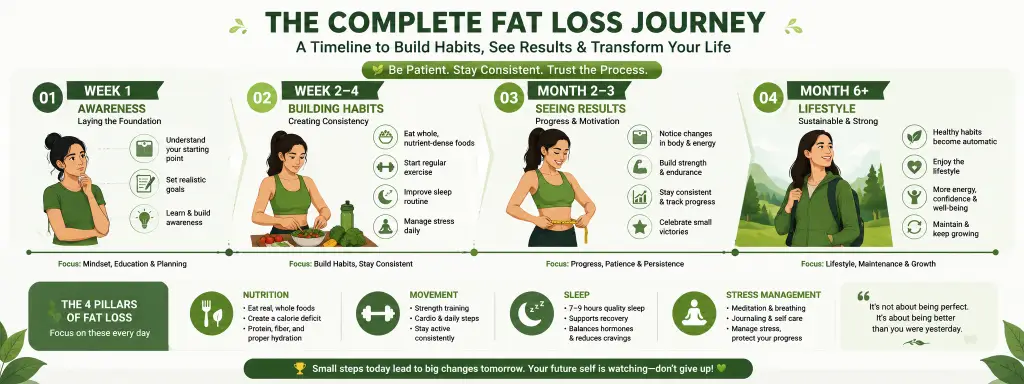
- Week 1-2: Rapid initial loss (mostly water weight)
- Week 3-12: Steady fat loss of 0.5-2 lbs per week
- Month 3-6: Continued progress, though rate may slow
- 6+ months: Sustainable lifestyle changes become habits
Remember, this is a marathon, not a sprint. The goal isn't just to lose fat—it's to keep it off permanently. Slow, steady progress leads to lasting results.
A Simple 30-Day Plan to Start Reducing Body Fat
If you're ready to begin your fat loss journey, here's a practical 4-week roadmap to get you started:
Week 1: Foundation & Awareness
- Track your current food intake (no changes yet, just observe)
- Drink 8-10 glasses of water daily
- Add one vegetable serving to each meal
- Walk 20-30 minutes daily
- Establish a consistent sleep schedule
- Remove obvious junk food from your home
Week 2: Nutrition Optimization
- Calculate your calorie needs and aim for a 300-500 calorie deficit
- Prioritize protein at each meal (25-30g)
- Replace refined carbs with whole grains
- Eliminate sugary drinks
- Increase walking to 30-40 minutes daily
- Practice mindful eating (no distractions during meals)
Week 3: Add Movement
- Begin strength training 2-3x per week (bodyweight or weights)
- Increase daily steps to 8,000-10,000
- Meal prep 2-3 healthy options for busy days
- Focus on portion control using hand measurements
- Add one stress-management practice (meditation, yoga, deep breathing)
- Limit alcohol to 1-2 drinks per week (or eliminate)
Week 4: Consistency & Refinement
- Review your progress and adjust portions if needed
- Experiment with meal timing (find what works for you)
- Increase workout intensity or duration slightly
- Take progress photos and measurements
- Identify your biggest challenges and create solutions
- Plan your next month's goals
This gradual approach prevents overwhelm and helps you build sustainable habits. After 30 days, you'll have established a foundation you can continue and refine.
Enhance Your Fat Loss Journey with Stress Management
While nutrition and exercise form the foundation of fat loss, managing stress is equally crucial. Chronic stress can sabotage your efforts by increasing cortisol levels, triggering emotional eating, and disrupting sleep.
Meditation and mindfulness practices have been shown to reduce stress, improve emotional regulation, and support sustainable lifestyle changes. If you're interested in developing a consistent meditation practice, structured programs can provide the guidance and accountability you need.
The InnaPeace Meditation Program offers a comprehensive approach to building meditation habits that can complement your fat loss efforts. By addressing the mental and emotional aspects of weight management, you create a more holistic and sustainable path to your goals.
Learn More About Meditation for WellnessNote: Meditation is one tool among many for supporting your health journey. It works best when combined with proper nutrition, regular activity, and adequate sleep.
Frequently Asked Questions
Can I reduce body fat without counting calories?
Yes, though it may take longer. Focus on whole foods, portion control, mindful eating, and listening to hunger/fullness cues. However, some level of awareness about what and how much you're eating is helpful, especially initially.
Is intermittent fasting necessary for fat loss?
No. Intermittent fasting is a tool that helps some people control calorie intake, but it's not required. What matters is your total calorie intake over time, not when you eat. Choose an eating pattern that fits your lifestyle and preferences.
Why am I losing weight but not inches?
This could indicate water retention, muscle gain alongside fat loss, or measurement error. Take progress photos and note how clothes fit—the scale doesn't tell the whole story. If you're strength training, you may be gaining muscle while losing fat, which is ideal.
Should I cut out all carbs to lose fat?
No. Carbohydrates aren't inherently fattening. What matters is total calorie intake. Quality carbs (vegetables, fruits, whole grains) provide energy, fiber, and nutrients. Extremely low-carb diets can be effective for some but aren't necessary or sustainable for everyone.
How important is exercise versus diet?
For fat loss, diet is primary—you can't out-exercise a poor diet. However, exercise is crucial for preserving muscle, improving body composition, boosting metabolism, and supporting overall health. The ideal approach combines both.
Can stress really prevent fat loss?
Absolutely. Chronic stress elevates cortisol, which promotes abdominal fat storage, increases appetite and cravings, disrupts sleep, and reduces motivation. Managing stress through meditation, exercise, adequate sleep, and relaxation techniques is essential for successful fat loss.
Are supplements necessary for reducing body fat?
No supplements are required for fat loss. The foundation is nutrition, movement, sleep, and stress management. Some supplements like protein powder, caffeine, or fiber can support your efforts, but they're optional. Be wary of products promising rapid results—there are no magic pills.
What if I have a slow metabolism?
True metabolic disorders are rare. Most "slow metabolisms" result from muscle loss, inadequate protein, chronic dieting, or inactivity. Build muscle through strength training, eat adequate protein, avoid extreme calorie restriction, and stay active. Your metabolism can improve with these changes.
How to reduce body fat after 30?
Metabolism naturally slows with age, but fat loss is still very achievable. Focus on strength training to preserve muscle, prioritize protein intake, ensure adequate sleep, manage stress, and be patient—progress may be slower but is absolutely possible with consistency.
Final Thoughts: Your Journey to Natural Fat Loss
Reducing body fat naturally isn't about finding the perfect diet, the ideal workout program, or the latest supplement. It's about creating sustainable lifestyle habits that support your health and well-being for the long term.
Remember these key principles:
- Focus on whole, nutrient-dense foods while maintaining a moderate calorie deficit
- Prioritize protein, fiber, and healthy fats for satiety and muscle preservation
- Move your body daily through activities you enjoy
- Include strength training to build metabolically active muscle
- Prioritize 7-9 hours of quality sleep nightly
- Manage stress through meditation, mindfulness, or other relaxation techniques
- Be patient and consistent—progress takes time
Your body is unique, and what works for others may need adjustment for you. Experiment, observe, and refine your approach. Celebrate non-scale victories like increased energy, better sleep, improved mood, and clothes fitting better.
Most importantly, be kind to yourself. This is a journey, not a destination. Every healthy choice you make is a step in the right direction, regardless of what the scale says.
This content is for informational and educational purposes only and is not intended as medical advice. Always consult with a qualified healthcare provider before making changes to your diet, exercise routine, or lifestyle, especially if you have underlying health conditions or are taking medications. Results may vary based on individual circumstances.
Affiliate Disclosure: We may receive compensation when you make a purchase through affiliate links on this site, at no additional cost to you. We only recommend products we've thoroughly researched and believe provide genuine value.